BlackRock, Ford and Google back push to train more skilled workers
The new alliance aims to expand apprenticeship access as infrastructure and AI data-center projects strain the skilled-trades labor pool.
By Dev Ramirez · Crypto Correspondent
· 3 min read
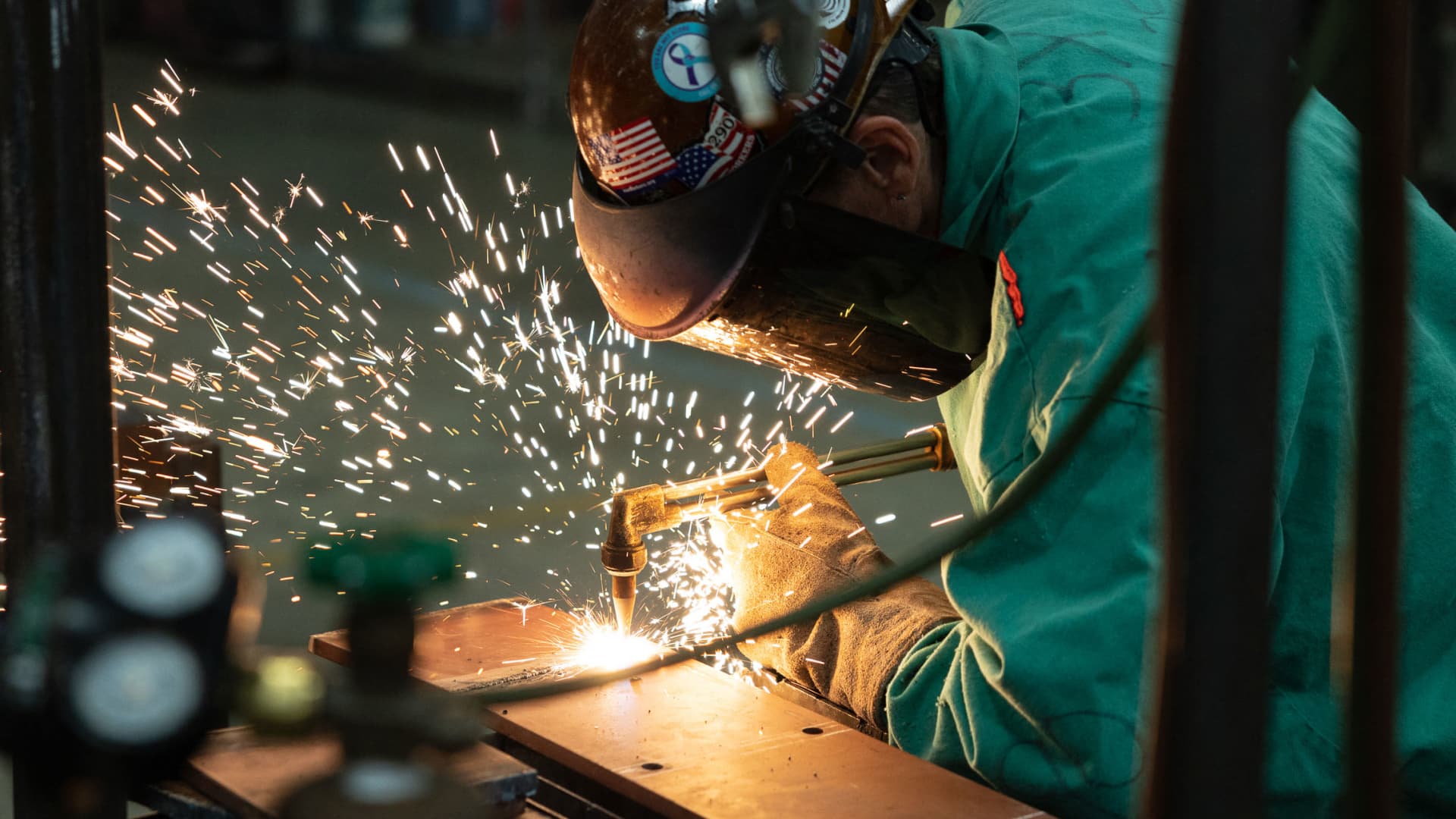
BlackRock, Carhartt, Ford Motor and Google are joining forces on a workforce initiative aimed at getting more Americans into skilled trades. For investors, the move points to a practical constraint behind big infrastructure and artificial intelligence spending: projects need electricians, technicians, plumbers and builders before they can become revenue-producing assets.
The companies announced the Alliance for America’s Skilled Trades on Tuesday, according to a joint release. The group plans to work with labor unions and trade associations, put money into apprenticeship programs and promote career routes into trade jobs.
An apprenticeship is paid, job-based training that lets workers learn a trade while gaining experience toward a credential or long-term role. The alliance is focused on widening access to that kind of training as employers face a tighter supply of workers with hands-on technical skills.
Bayo Ogunlesi, BlackRock’s chairman and chief executive officer of Global Infrastructure Partners, said in the release that U.S. infrastructure investment can affect the country’s long-term economic path, but those projects depend on the workers who build and maintain them. He said expanding the worker pipeline will require sustained cooperation across sectors.
Why the shortage matters
The labor gap is showing up across several parts of the economy. According to the companies’ release, the U.S. needs more electrical workers, technicians and builders. CNBC reported that the shortage has been driven in part by experienced tradespeople leaving the workforce as they age, creating more openings and helping push pay higher for roles such as electricians, HVAC technicians, plumbers and builders.
That shortage also sits directly under the AI buildout. Data centers, which provide the computing capacity needed to train and run AI systems, require extensive electrical, cooling and construction work. Google is one of the largest builders and operators of data centers, according to CNBC.
Ruth Porat, president and chief investment officer of Alphabet and Google, said in the companies’ release that building the country’s physical infrastructure will require a much larger skilled-trades pipeline and that the problem calls for collective action.
JLL, the commercial real estate and investment management company, warned in an April research note that demand for skilled trades is rising while the available workforce is shrinking. Paul Morgan, JLL’s global chief operating officer of real estate management services, said the shortage threatens operations tied to data centers, laboratories, manufacturing sites and everyday workplaces.
Students are looking at shorter career paths
The initiative lands as more students weigh alternatives to a traditional four-year college path. The National Student Clearinghouse Research Center said enrollment in undergraduate certificate and associate degree programs each rose about 2% in fall 2025, while bachelor’s degree enrollment increased by less than 1%.
A recent Lumina Foundation and Gallup poll found that confidence in bachelor’s degrees is declining, while two-year associate degrees are gaining support. Courtney Brown, Lumina Foundation’s chief data and research officer, said four-year degrees remain the top standard for many people, but community colleges are performing well on affordability and perceived value.
Labor-market anxiety around AI is also part of the backdrop. Citrini Research, an investment research firm, said in a February report that concern about companies needing fewer white-collar workers as AI improves is creating a negative feedback loop without an obvious natural brake.
The alliance does not change the skilled-labor shortage overnight. It does show that large companies tied to markets, manufacturing, workwear and technology see the trades as a bottleneck worth addressing together.
This story draws on original reporting from CNBC.