Boeing shares rise after CNBC reports FAA certification of the 737 MAX 7
Boeing rose roughly 6% on Aug. 3 as lower oil prices, an analyst upgrade and CNBC-reported MAX 7 certification lifted sentiment.
By Dev Ramirez · Crypto Correspondent
· 3 min read
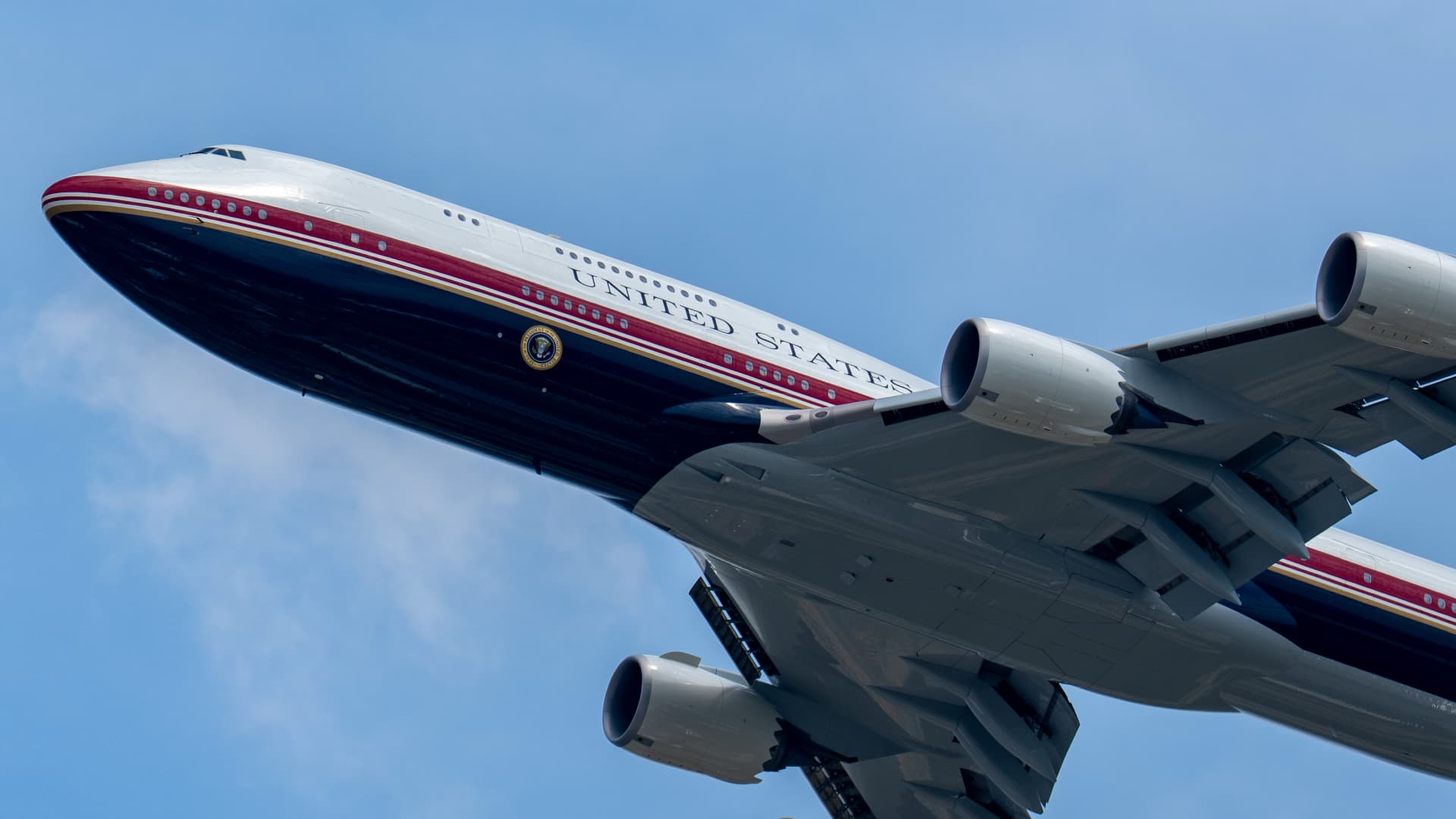
Boeing shares rise August 2026 was the market story on Monday, with the stock up roughly 6% during the session, according to CNBC. For investors, the move reflected three separate developments: falling oil prices, a major analyst reversal and CNBC’s report that the Federal Aviation Administration certified Boeing’s 737 MAX 7.
The mix matters because only one of those catalysts was a concrete regulatory milestone. The other two were market and analyst reactions that can change quickly.
Why did Boeing shares rise on August 3?
CNBC said lower oil prices were the first factor. Aerospace stocks can trade in the opposite direction of oil because cheaper jet fuel may improve airline profitability and ease investor concerns that carriers could postpone or cancel aircraft orders. CNBC cautioned that it did not agree with treating that relationship as especially tight.
Second, BNP Paribas double-upgraded Boeing to outperform from underperform and lifted its price target to $300, CNBC reported. CNBC described the call as notable because the analyst had held a bearish view, including a sell rating, since November 2025.
Third, CNBC reported that the FAA certified the 737 MAX 7 after a lengthy delay. In its Aug. 3 statement, the FAA said it issued an amended type certificate and an updated Production Limitation Record after nearly a decade of review. The agency said the updated record authorizes Boeing to begin production of the MAX 7.
What did the MAX 7 approval require?
The FAA said its review covered flight controls, safety assessments, human factors, flightcrew alerts and other safety-critical areas. Before approval, it required changes to flight-control software, the flightcrew alerting system and the engine anti-ice system.
According to the FAA, the revised alerting system is intended to give pilots clearer information and warnings. The redesigned anti-ice system is intended to prevent engine-inlet overheating that could weaken surrounding structure. FAA safety inspectors will remain at Boeing production sites to monitor manufacturing, the company’s Safety Management System and its safety culture, the agency said.
The approval arrives against the broader history of the MAX program. The FAA’s 2020 return-to-service review followed the Lion Air Flight 610 and Ethiopian Airlines Flight 302 crashes, which together killed 346 people. That review addressed safety issues through design changes, pilot-training revisions and maintenance changes, according to the agency.
What comes next for Boeing’s MAX program?
CNBC reported that Jefferies analysts counted 282 MAX 7 orders, equal to 6% of Boeing’s total MAX order book. CNBC also reported that Boeing has said certification of the MAX 10 should follow, while deliveries of both the MAX 7 and MAX 10 were not expected until 2027.
CNBC said Boeing had reported stronger-than-expected free cash flow the previous Tuesday and characterized the MAX 7 news as supportive of Chief Executive Kelly Ortberg’s turnaround and cash-flow-growth narrative. Those are market assessments rather than findings from the FAA’s approval process.
This story draws on original reporting from CNBC.


