Buffett estate tax stance draws scrutiny as donations accelerate
CNBC says Warren Buffett backs the estate tax even as accelerated gifts from $140 billion in Berkshire shares mean he is unlikely to owe it.
By Jordan Bell · Startups & Deals Reporter
· 3 min read
The Buffett estate tax debate is back after CNBC reported that Warren Buffett is speeding up annual gifts from about $140 billion of Berkshire Hathaway shares to four family foundations. For everyday investors, the story is less about one famous billionaire’s tax return and more about how the tax code treats extreme wealth, inheritances and charitable giving.
CNBC’s Warren Buffett Watch reported that the move drew a wave of reader responses. Some readers praised Buffett’s giving, while others questioned whether foundations would direct money to people in need and whether the donations allow him to avoid estate and capital gains taxes.
An estate tax is a federal tax on wealth transferred after death above an exemption amount. CNBC noted that the levy has a 40% rate, while Kiplinger puts the current exemption at $15 million per person.
Buffett has long argued that he pays too little relative to the benefits he has received from society. CNBC cited his past statement that he is “under-taxed in relation to what society has delivered to me.” He has also said his secretary faced a higher tax rate than he did after payroll taxes are included, partly because capital gains, the profit from selling investments, are taxed at lower rates than ordinary income.
Why does Buffett support the estate tax?
Buffett’s argument is that the estate tax limits dynastic wealth and pushes money away from inherited privilege. In a 2017 CNBC “Squawk Box” interview, during a congressional debate over a Republican-backed plan to phase out the 40% estate tax, he said, “I don’t think I need a tax cut.”
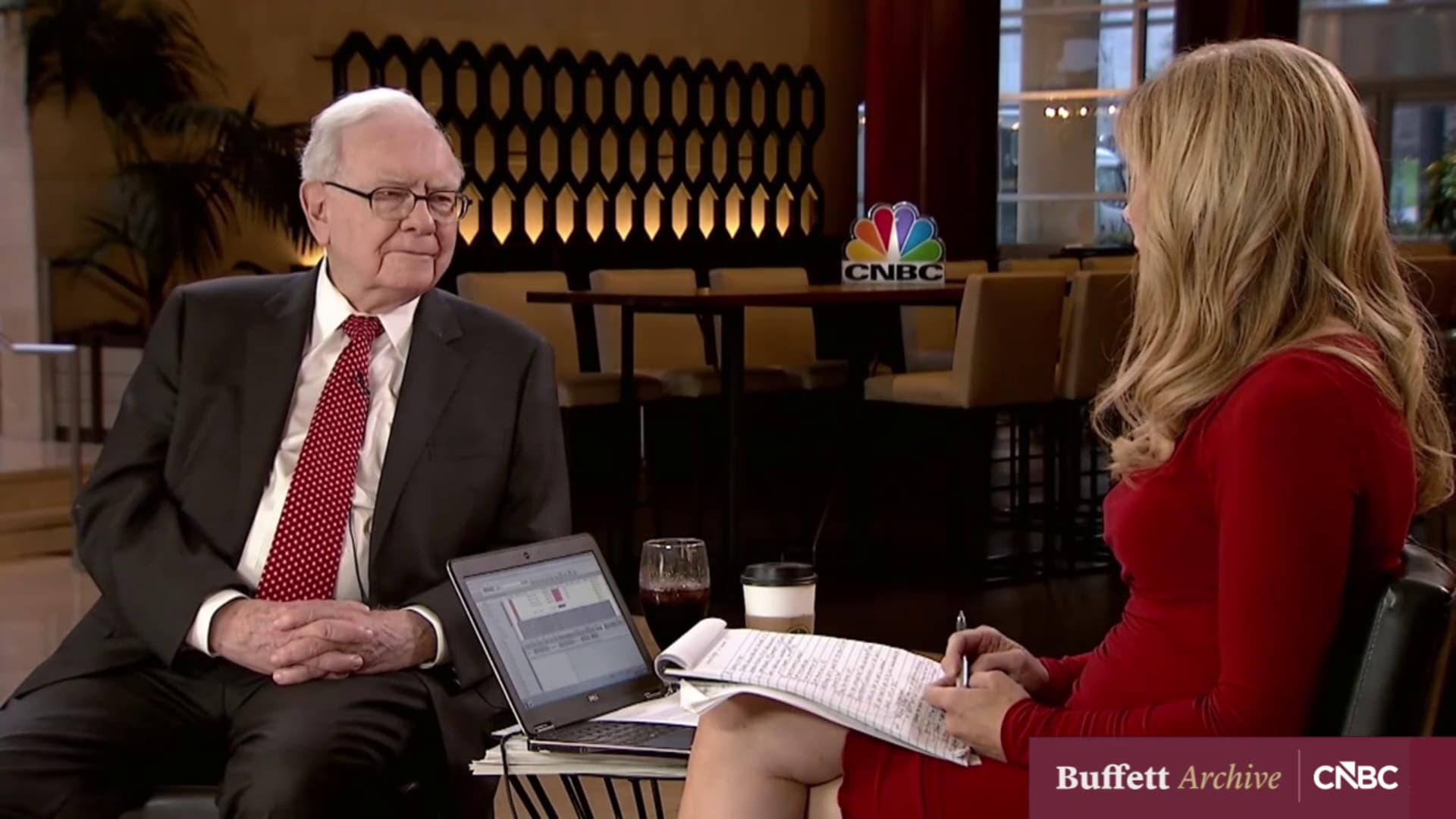
In that interview with CNBC’s Becky Quick, Buffett said about 2.6 million people would die in the United States that year and only about 5,000 estates would owe estate tax. He objected to calling it a “death tax,” saying the label was pejorative because so few estates were affected.
Buffett also described what could happen if the tax disappeared. He said he could leave $75 billion to children, grandchildren and great-grandchildren, and if it were split among 35 heirs, each could receive roughly a couple of billion dollars. His view, as stated on CNBC, was that tax policy changes how resources are allocated across the economy.
Buffett told Quick that he believed his three children, who run foundations, could allocate the money well. He added that he did not encourage that foundation plan until they were in their 40s, after he had seen how they lived and worked.
His criticism focused on inherited economic power. Buffett said the wealthiest 400 Americans had $2.4 trillion, compared with $90 billion 25 years earlier, and argued that passing such sums down through families runs against what built the country.
The Obama administration later turned Buffett’s tax views into a policy proposal known as the “Buffett rule,” which would have set a 30% minimum tax on Americans earning more than $1 million a year. CNBC reported that the Senate rejected the proposal in 2012.
Buffett has also drawn a line between supporting taxes and paying more than the law requires. CNBC cited his 1998 joke: “I don’t send along any voluntary payments to the I.R.S, I want you to understand.”
Separately, CNBC reported that Berkshire Hathaway closed its $6.8 billion purchase of homebuilder Taylor Morrison after shareholders approved the transaction. Berkshire CEO Greg Abel said in a company release that Taylor Morrison would lead Berkshire’s plan for a unified site-built homebuilding operation, with its brands integrated into Clayton Properties Group.
This story draws on original reporting from CNBC.


