China humanoid robot ban threat puts robotics stocks and IPOs in focus
China warned of countermeasures after the FCC restricted some foreign-made humanoid robot imports over cybersecurity concerns.
By Maya Okafor · Markets Writer
· 3 min read
China humanoid robot ban tensions escalated Thursday after Beijing warned it could retaliate against a U.S. move restricting certain foreign-made advanced robots. For everyday investors, the fight matters because it touches robotics startups, Tesla, Nvidia and the broader U.S.-China technology race.
The U.S. Federal Communications Commission said Tuesday it had added foreign-made advanced robotic devices, including humanoid robots, to a restricted list because of cybersecurity concerns. The FCC statement did not name China and said retailers could still bring into the U.S. models that had already received FCC approval.
China’s commerce ministry responded Thursday in an online statement, saying the FCC had continued to raise barriers against Chinese products and had harmed stability in U.S.-China trade and economic ties, according to CNBC’s translation from Mandarin. The ministry urged Washington to reverse the decision and said China could take countermeasures if the U.S. did not do so.
Why is China threatening retaliation over the humanoid robot ban?
Humanoid robots are machines built to perform tasks in spaces designed for people, and advanced versions can include cameras, sensors, wireless connections and software that may raise data-security concerns. A U.S. import restriction can limit which devices reach American buyers, while also affecting sales plans for robot makers that were counting on U.S. demand.
The FCC action came before a planned September meeting in which U.S. President Donald Trump is scheduled to host Chinese President Xi Jinping. It also lands during a sharper contest over advanced technology. U.S. Treasury Secretary Scott Bessent has said the U.S. could sanction China over alleged AI model theft, while Trump signaled Thursday in public remarks that Washington might take a more cautious approach to AI controls to preserve U.S. technology leadership over China.
Marc Einstein, a research director at Counterpoint Research, told CNBC the restriction was negative for Chinese humanoid robot makers preparing initial public offerings, or IPOs, in the coming months. An IPO is the first time a private company sells shares to the public, and access to a major export market can affect how investors value that company.
Einstein said China’s potential responses could include tighter rare earth sales to U.S. companies and stricter access to the Chinese market for American companies such as Tesla and Nvidia. Those possibilities were his analysis, not measures announced by Beijing.
Counterpoint Research said Chinese companies Agibot, Unitree and UBTech were the three largest humanoid robot companies by share of installations last year. Tesla’s Optimus ranked fifth, according to the research firm.
Shares of Hong Kong-listed UBTech briefly dropped more than 6% in Thursday morning trading. Unitree and Agibot have filed to go public, CNBC reported.
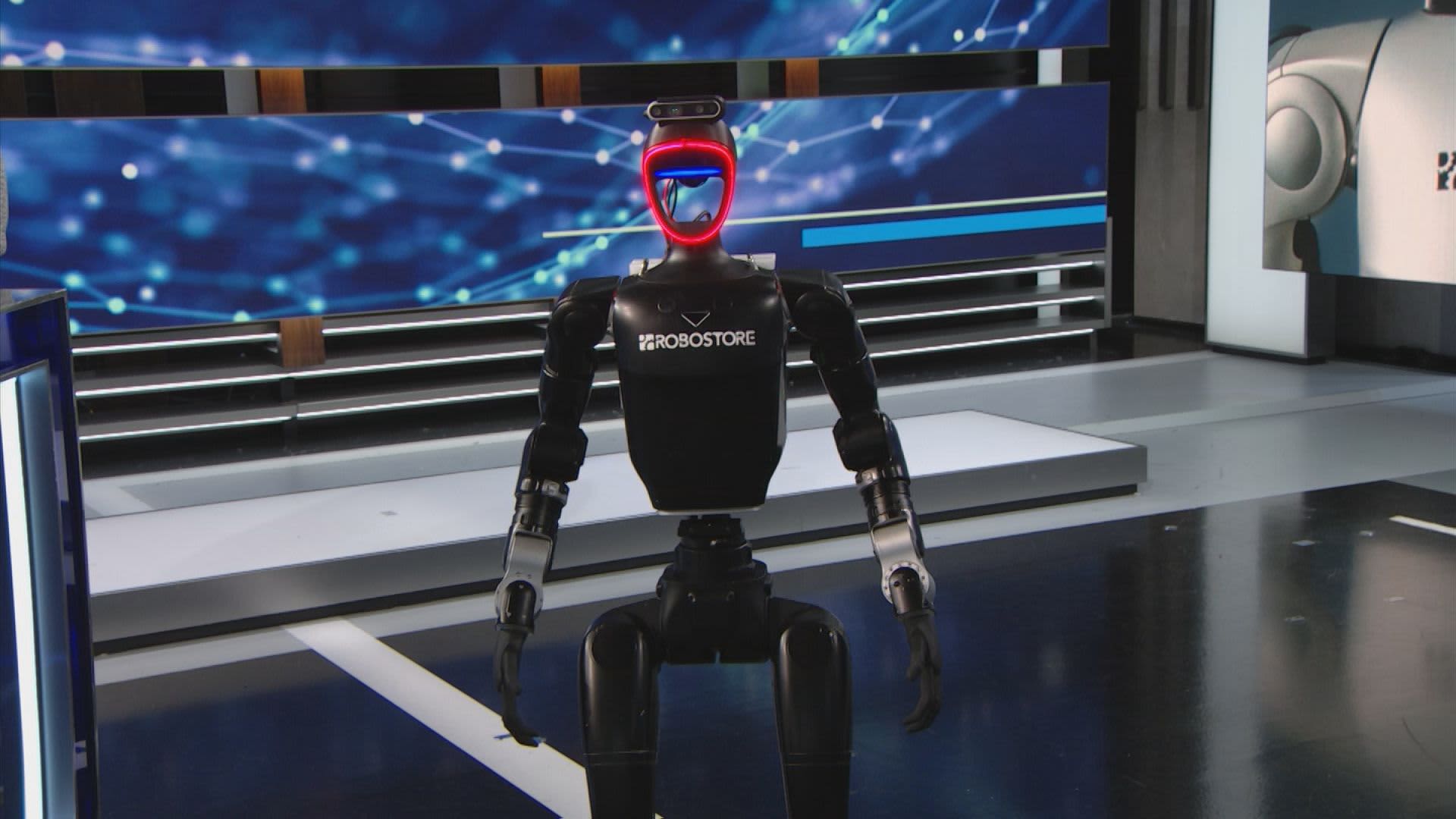
Robostore, which distributes Chinese humanoid robots in North America, has been preparing by expanding its U.S.-based capabilities, CEO Teddy Haggerty said in a statement to CNBC. He did not provide further details.
The core investor takeaway is that robotics is becoming part of the same policy fight that already affects chips, AI and rare earth minerals. The FCC framed its move around cybersecurity, while China framed it as a trade restriction that damages bilateral ties. Markets will now watch whether Beijing answers with concrete measures and whether the dispute changes the timing or valuation of upcoming robot-company listings.
This story draws on original reporting from CNBC.


