China’s June trade surge beats forecasts as AI demand lifts exports
Exports rose 27% in June and imports climbed 36%, customs data showed, as AI hardware demand and tariff timing boosted trade flows.
By Theo Nakamura · Staff Writer
· 3 min read
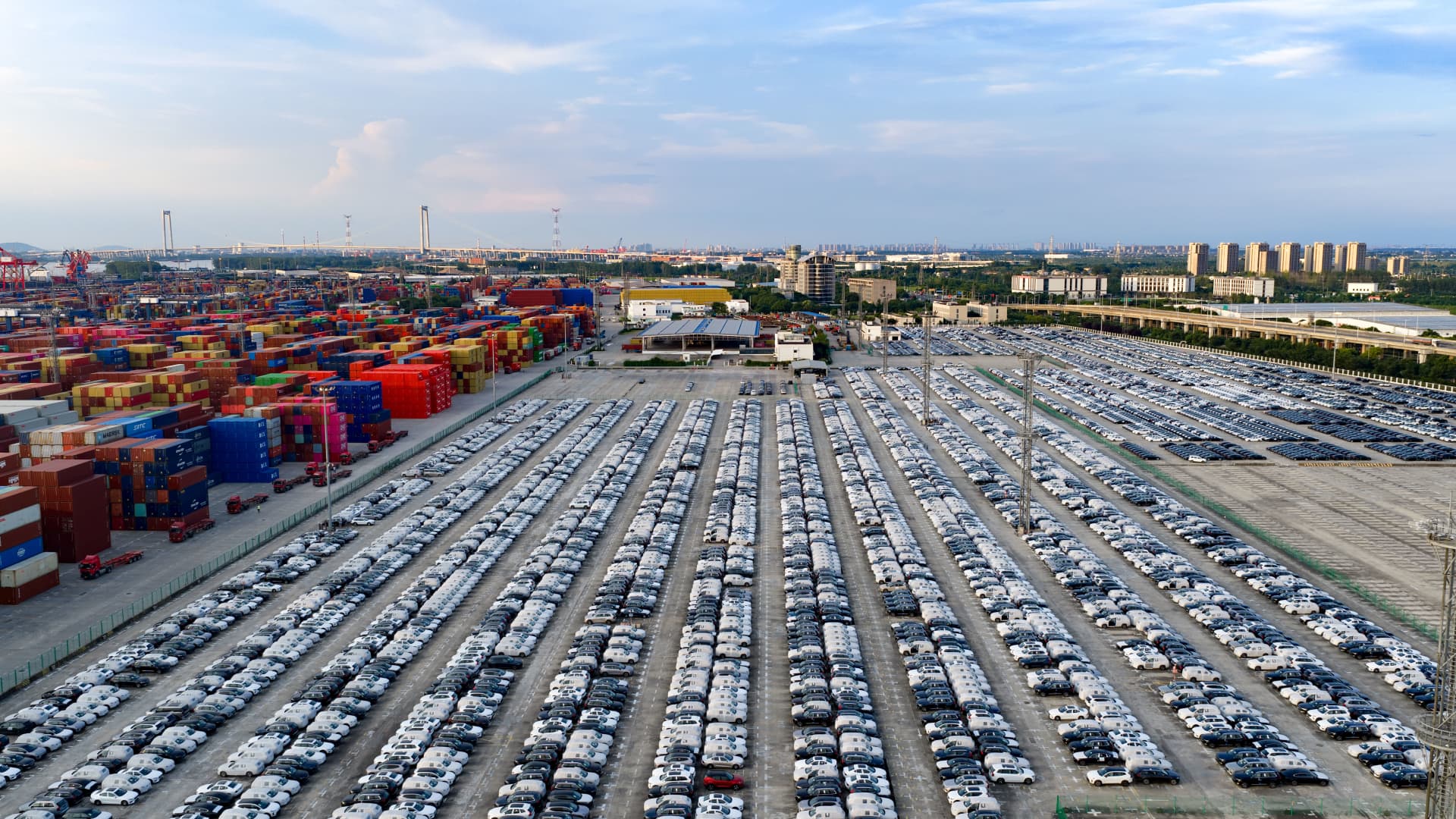
China’s trade engine ran hotter in June, giving global investors a fresh read on one of the world’s biggest manufacturing hubs. The strength matters for portfolios because Chinese exports feed into supply chains for tech, autos, retailers and commodities, while also shaping expectations for Beijing’s next policy moves.
Exports rose 27% in June from a year earlier in U.S. dollar terms, according to Chinese customs data released Tuesday and reported by CNBC. That was the fastest pace since October 2021, up from 19.4% growth in May, and above economists’ estimate for an 18.2% increase.
Imports climbed 36% from a year earlier, the strongest gain since June 2021. That also accelerated from May’s 27.4% increase and topped economists’ forecast for 24% growth, according to CNBC.
AI demand and tariffs helped pull shipments forward
Two forces drove the stronger trade numbers, according to CNBC: global demand tied to artificial intelligence hardware and a rush by U.S. retailers to bring in goods before possible tariff increases.
Tariffs are taxes on imported goods. When companies expect those costs to rise, they may order earlier than planned to avoid paying more later. That can lift export numbers in the short term, even if the underlying demand picture is less clear.
A survey by Beige Book last month found that factory activity picked up in June as orders bound for the U.S. rose sharply from a year earlier, CNBC reported. That demand helped push up freight rates, which are the prices companies pay to move goods by ship, truck or other transport.
Manufacturers are preparing for the possibility of more tariffs from U.S. President Donald Trump’s Section 301 investigations, CNBC reported. A 10% broad-based tariff is scheduled to expire on July 24.
Strong exports are offsetting weaker parts of the economy
China’s economy remains uneven. CNBC reported that Beijing is dealing with a growing mismatch between supply and demand: factories and export industries remain strong, while consumption and private investment have weakened during a long property downturn.
The AI investment cycle has helped support China’s headline growth, according to CNBC. Demand for chips, servers and related hardware can increase orders across Chinese factories and suppliers, which shows up in export and industrial production data.
CNBC also reported that the AI-linked export boost has helped soften the economic impact from conflict in the Middle East and a global oil shock. Volatile oil prices can raise costs for businesses and consumers, which can pressure growth.
Investors are watching GDP and stimulus signals
China is due to release second-quarter gross domestic product data on Wednesday. Gross domestic product, or GDP, measures the value of goods and services produced in an economy.
Economists surveyed by Reuters expect China’s growth to slow to 4.5% in the second quarter from 5% in the first quarter, CNBC reported. Reuters polling also points to June industrial output growth of 4.7% and a 0.1% decline in retail sales.
Urban investment is expected to fall 4.9% in the first half of the year, deepening from a 4.1% drop in the first five months, according to the Reuters poll cited by CNBC.
Markets are also watching a Politburo meeting expected in late July for signs of more stimulus, or government support designed to lift growth. CNBC reported that analysts do not expect major stimulus unless growth weakens more sharply, given strong exports and Beijing’s focus on reducing excess factory capacity to fight deflation, which is a broad decline in prices.
This story draws on original reporting from CNBC.


