Chinese EV makers widen global factory push as U.S. rivals lag
Chinese automakers are spending more abroad as crowded home-market competition, tariffs and overseas EV demand reshape the industry.
By Theo Nakamura · Staff Writer
· 4 min read
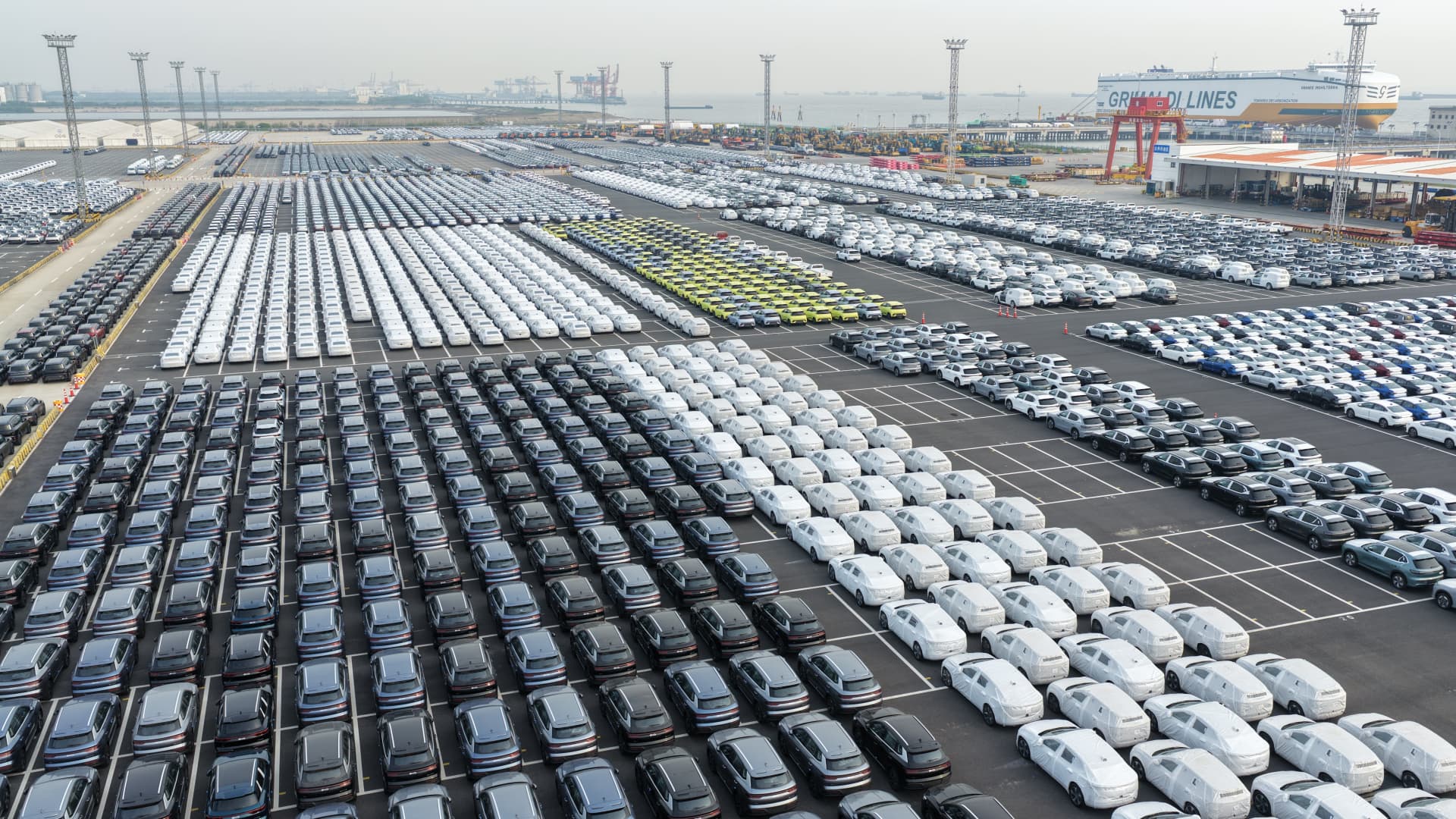
Chinese electric-vehicle makers are putting far more money into overseas factories and battery plants than U.S. automakers, according to industry analysts and investment trackers. For retail investors watching Ford, General Motors, BYD and the broader EV supply chain, the issue is bigger than car sales: factory spending can decide who controls markets, suppliers and technology standards for years.
Atlas Public Policy, a think tank that follows clean-tech spending, said Chinese companies announced nearly $101 billion in overseas EV and battery investments from 2019 through 2025. U.S. companies announced a little more than $38 billion over the same period, according to Atlas.
Foreign direct investment means a company is putting capital into another country through assets such as factories, production lines or facilities. That is a deeper commitment than exporting finished cars, because it can create local jobs, shorten supply chains and help automakers avoid trade barriers.
Kyle Chan, a fellow at the Brookings Institution, told CNBC that Chinese groups such as BYD are starting to resemble the General Motors and Ford of the EV age. He said they benefit from manufacturing scale, global supply chains and years of investment in overseas operations.
Ford and General Motors did not respond to CNBC requests for comment.
Why Chinese automakers are expanding abroad
Analysts pointed to three main forces behind the overseas push. The first is China’s own auto market. Chan described it as crowded and highly competitive, with price wars and more factory capacity than the market needs. That makes profits harder to earn at home and pushes manufacturers to sell more vehicles abroad.
The second force is demand. Auto industry analyst Felipe Muñoz said 80% of EVs sold in Latin America are Chinese. In a report this month, Muñoz said demand for Chinese cars outside China is growing quickly. His data, covering new light-vehicle sales in 86 markets during the first quarter, showed Chinese vehicle sales rose 51% from a year earlier, with faster growth in developed markets including Europe and Australia.
The third force is tariffs, which are taxes on imported goods. Governments have added trade barriers to slow the flow of Chinese EVs, protect local automakers or encourage Chinese companies to build plants locally. Chan said Chinese investment is flowing to countries that are either large markets themselves or provide access to large markets.
Hungary is one example cited by analysts: a factory there can give a Chinese automaker access to the European Union market without the same tariff burden as imported vehicles. Tom Taylor, senior policy analyst at Atlas Public Policy, told CNBC that tariffs, whether already in place or expected by Chinese companies, are a core reason behind many of the investments.
The numbers come with caveats
Analysts do not all count overseas Chinese investment the same way. Armand Meyer of Rhodium Group said his team estimates Chinese foreign direct investment across clean technology, including solar, wind and EVs, at about $173 billion since 2014. Rhodium also found that roughly half of the announcements it tracked, about $85 billion, became completed factories or facilities.
Meyer said announcement-based totals can make the scale of the threat look larger than it is. Taylor said differences often come from how researchers count facilities and years.
Even with those caveats, Atlas data show a turn after 2021. U.S. companies had been ahead of Chinese companies in foreign direct investment through that year, according to Atlas. Since then, Chinese automakers have pulled ahead.
Meyer also cautioned that comparing U.S. and Chinese investment totals can miss structural differences. American automakers have focused more on their home market in recent years and already operate plants in places including Mexico, China and parts of Europe, which may reduce the need for new factory announcements.
Still, Meyer said Chinese EV makers are investing four to six times as much outside China as U.S. peers. He said that pace could strengthen China’s position and create long-term dependencies in global auto and clean-tech supply chains.
This story draws on original reporting from CNBC.