Copper prices climb as Chile storms hit mines already facing tight supply
Severe weather has disrupted Chilean copper mines as analysts warn tight supply and tariff uncertainty could keep pressure on prices.
By Dev Ramirez · Crypto Correspondent
· 3 min read
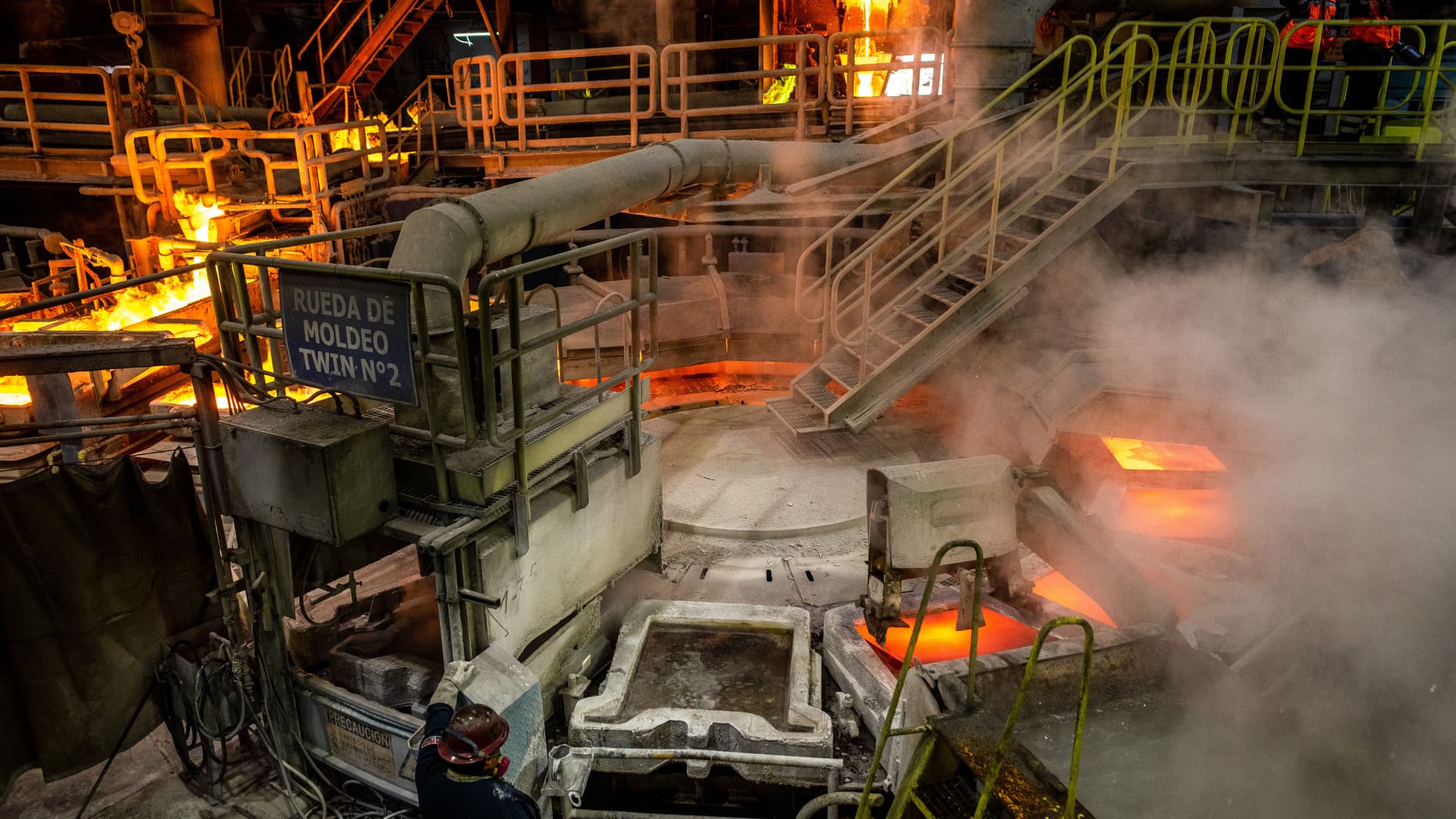
Copper prices are back in focus after Chile storms disrupted mining in the world’s biggest producing country. For everyday investors, the move matters because copper sits inside a long list of growth stories, from electric vehicles and smartphones to power grids and AI data centers.
Heavy snow, flash flooding and strong winds have hit parts of Chile over the past week, killing 13 people and interrupting work at mines run by Anglo American, Antofagasta, Lundin Mining, state-owned Codelco and Barrick, according to CNBC. Chile produces more than one-fifth of the world’s copper, so even limited outages can draw attention when supply is already tight.
Antofagasta has stopped mining and processing at its Los Pelambres operation, CNBC reported. Barrick evacuated workers because of the severe weather. Lundin Mining said Monday that its Caserones mine in Chile’s Atacama region may need two to three weeks to restart after heavy snow damaged power lines, forcing the company to suspend operations on July 18.
Lundin’s Candelaria mine was also affected by rainfall, though it kept running on existing ore stockpiles before returning to full capacity, according to CNBC.
Why are copper prices rising?
Copper prices have been rising because demand is strong and available supply is under pressure. The metal reached a record $6.70 per pound, or $13,643 per metric ton, on June 2, according to CNBC, as worries grew about a global supply squeeze.
Copper is a base metal, meaning it is widely used in industrial production rather than mainly as a financial store of value. It conducts electricity well, which makes it important for transmission lines, data centers, consumer electronics, electric vehicles, appliances and machinery.
Ewa Manthey, a commodities strategist at ING, told CNBC that the storms by themselves are unlikely to reshape the copper market. Still, she said prolonged weather-related outages in Chile could support prices because the market is already dealing with supply interruptions, uncertainty over tariffs and tighter concentrate availability.
Natalie Scott-Gray, senior metals demand strategist at StoneX, told CNBC that uncertainty around possible U.S. Section 232 tariffs and China’s restrictions on scrap copper availability have tightened supply this year. Tariff uncertainty means buyers and sellers may shift metal around before import taxes change, which can pull inventory away from some markets.
Scott-Gray also said Chile has cut its 2026 production outlook by 2% to 5.3 million tonnes, and she expects the country to post a second straight year of declining output. She described the storm impact on large producers as “temporary and limited,” while saying smaller miners may be more exposed because they tend to have less operational flexibility.
Could copper set another record this year?
Some analysts say another record is possible, though the path depends on weather damage, trade policy and buying from China. Scott-Gray told CNBC that London Metal Exchange and Shanghai Futures Exchange inventories are below their five-year averages, a sign of physical tightness in the market.
CNBC reported that three-month copper on the London Metal Exchange was trading around $13,750. Scott-Gray said another record high this year is possible, especially with speculative net long positions across major exchanges. A net long position means traders, in aggregate, are positioned for prices to rise.
George Cheveley, natural resources portfolio manager at Ninety One Asset Management, told CNBC that storms are usually short-lived unless they damage major infrastructure. He said droughts can have a longer effect by limiting water and power access, especially hydropower, but many mines have contingency plans.
Anglo American CEO Duncan Wanblad told CNBC’s “Squawk Box Europe” that the company is “very, very bullish” on copper’s fundamentals. Anglo American reported a 35% increase in first-half earnings before interest, taxes, depreciation and amortization to $4 billion, helped by favorable copper prices, according to CNBC.
This story draws on original reporting from CNBC.


