Cramer says the market’s strength is showing up outside tech
CNBC’s Jim Cramer pointed to banks, transport, biotech and retail as areas working while tech and AI-linked trades remain under pressure.
By Maya Okafor · Markets Writer
· 4 min read
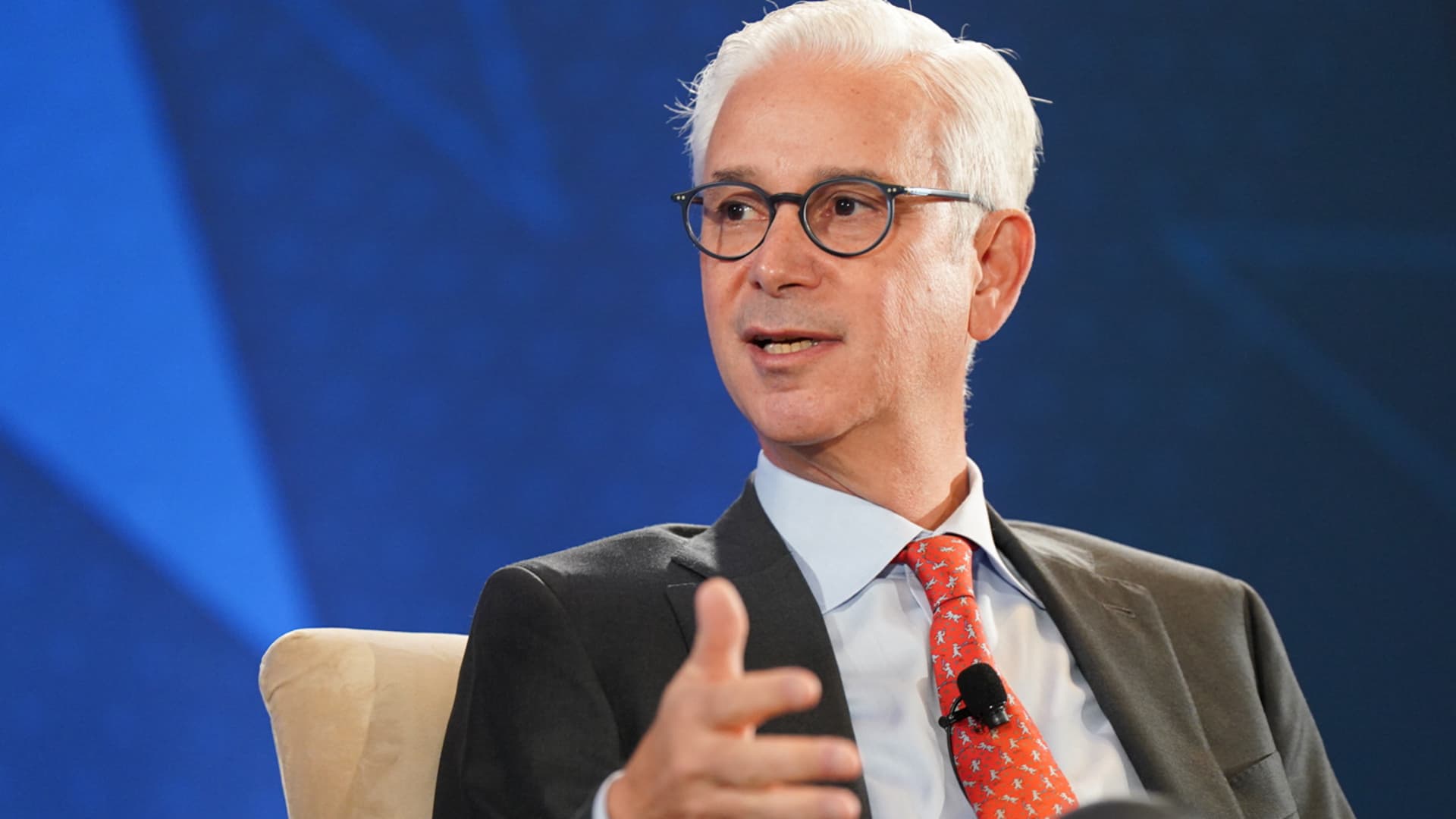
Tech weakness is making the stock market look worse than it is, according to CNBC’s Jim Cramer. For everyday investors watching indexes get pulled around by a handful of large tech names, his point is that gains are still showing up, just in less crowded corners of the market.
Cramer wrote for CNBC’s Investing Club that investors may feel stuck when S&P 500 and Nasdaq futures are falling and his preferred S&P Short Range Oscillator has not reached a level he considers deeply oversold. The oscillator is a market indicator used to judge whether stocks have fallen far enough to attract buyers. Even so, Cramer said several groups are acting well outside technology.
One example, he said, is Wells Fargo. Cramer noted that the bank trades at about 12 times earnings, using the price-to-earnings ratio, a common valuation measure that compares a company’s stock price with its profit per share. He said analysts were broadly negative on the bank’s latest quarter, even though some raised price targets.
Cramer argued that Wells Fargo CEO Charlie Scharf is trying to expand the bank’s role in mergers and acquisitions and initial public offerings. Mergers and acquisitions, or M&A, refers to companies buying or combining with other companies. Underwriting means helping companies issue shares or debt to investors. Cramer said those businesses can carry stronger margins and lower risk than traditional lending.
He also pointed to Scharf’s cost-cutting and efficiency push. According to Cramer, Wells Fargo has reduced its workforce by roughly 23% and is relying less on physical branches while building a team of senior bankers. Cramer said the bank is winning deals and climbing global M&A rankings, which he believes helps explain why the stock recovered after an initial negative reaction to analyst commentary.
Transport stocks are also showing signs of life, Cramer said. He cited J.B. Hunt as a case where the trucking and logistics downturn has started to clear out weaker competitors, allowing pricing to improve. He said J.B. Hunt reported an upside surprise this week and that investors could still make money even after the stock had already anticipated better results. Cramer also connected that cycle to FedEx Freight, which he said was spun off from FedEx on June 1.
Biotech is another pocket of strength. Cramer said the SPDR S&P Biotech ETF is up more than 27% this year, helped by a wave of acquisitions across the industry. An ETF, or exchange-traded fund, is a basket of securities that trades like a stock. Cramer said the biotech move is notable even though the group is less central to the market than chipmakers.
Cramer also cited what he described as Stripe’s offer to acquire PayPal, saying consolidation could help a crowded fintech field that includes Fiserv, Global Payments, Toast, Fair Isaac, Block and Affirm. In other sectors, he said investors have rewarded companies with credible stories, naming Target in retail, Union Pacific in rail, and Delta and United in airlines.
Tech remains the weak spot in Cramer’s view. He said hyperscalers, the large cloud-computing companies such as Microsoft, Amazon and Google, briefly looked ready to rebound before falling again. He also said data-center-related names face pressure as leveraged trades unwind. Leverage means using borrowed money to increase exposure, which can force selling when trades move against investors.
Cramer named memory and chip-related stocks including Seagate, Western Digital, Sandisk, SK Hynix, Micron, Arm, AMD and Intel as part of that pressured trade. He said his charitable trust added to Intel twice last week, but he also said forced selling made it hard to judge when the decline would end.
The broader message from Cramer was that earnings season is rewarding some companies outside tech while punishing many AI-linked names. He said he does not see a technology bubble, but he warned that investors heavily concentrated in tech may notice easier gains elsewhere if the pattern continues.
This story draws on original reporting from CNBC.