Cramer calls hedge fund collapse a stock buy signal
Jim Cramer said forced selling tied to a tech hedge fund collapse may mark a bottom for AI-linked chip stocks.
By Jordan Bell · Startups & Deals Reporter
· 3 min read
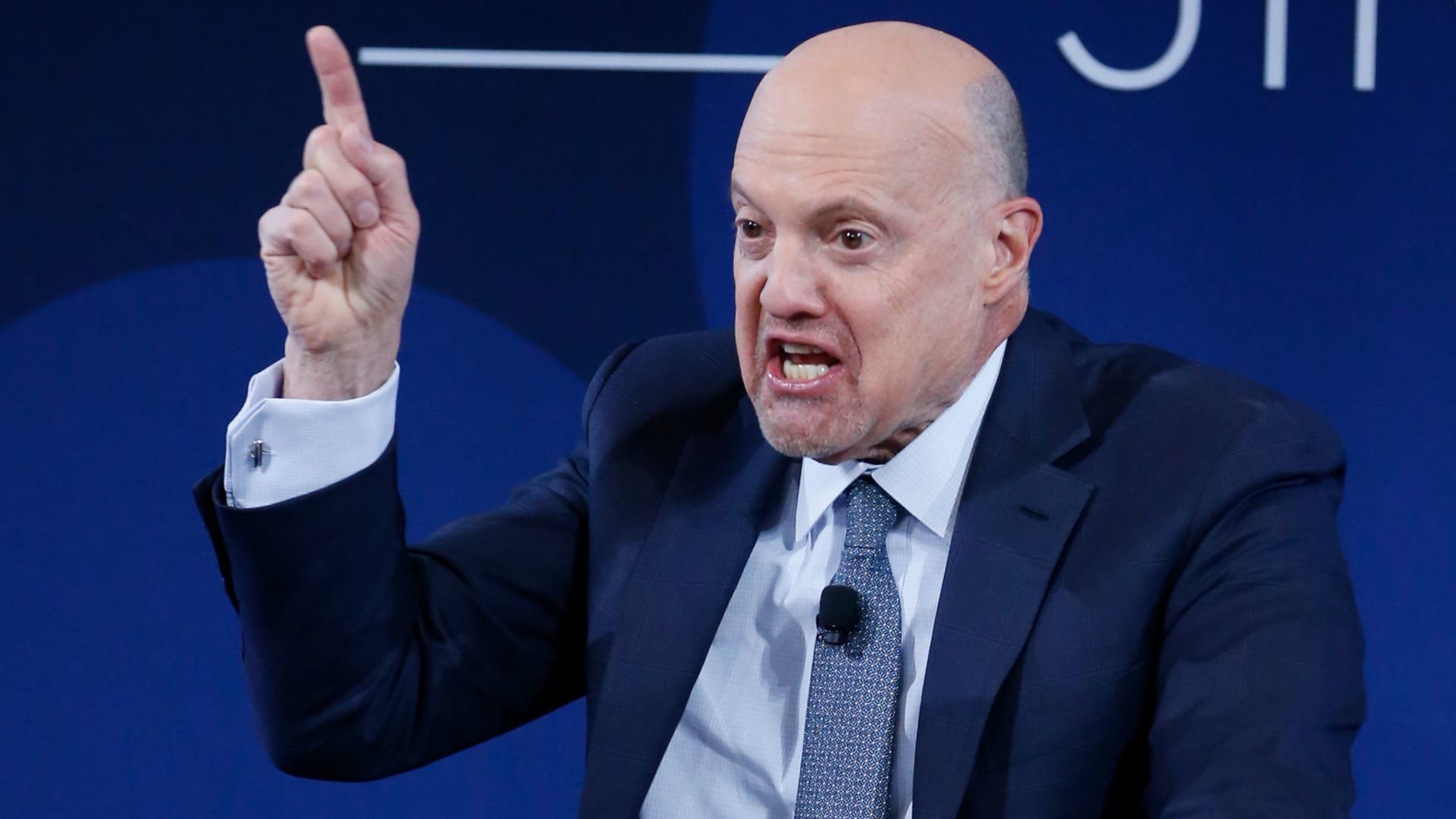
Jim Cramer said a hedge fund blowup may be a Cramer stock buy signal for parts of the AI trade, according to CNBC’s Investing Club. For retail investors, the point is less about copying a trade and more about understanding why forced selling can sometimes create sharp rebounds in crowded stocks.
In CNBC’s Thursday Morning Meeting, Cramer said stocks bounced after Wednesday’s sell-off, which followed the Federal Reserve’s decision to keep interest rates unchanged. Semiconductor shares helped lead the recovery, along with Microsoft, a CNBC Investing Club holding that CNBC said rose 14% after reporting earnings that beat expectations.
Cramer tied much of the rebound in chip stocks to the collapse of Leopold Aschenbrenner’s technology-focused hedge fund. CNBC said Cramer argued that many of the fund’s positions were levered, meaning they were backed by borrowed money. When levered trades fall, investors can be forced to sell holdings to meet margin calls, which are demands for more collateral from lenders or brokers.
Why does Cramer see a stock buy signal in chip shares?
Cramer said the recent declines in semiconductor stocks would likely have pushed Aschenbrenner’s fund to sell positions under pressure. With those holdings liquidated, Cramer told CNBC Investing Club members that the washout could point to a bottom in the AI trade.
“I’ve seen many a hedge fund blow up over my period of trading for the last 44 years,” Cramer said, according to CNBC. “It’s one of the more sure signals to buy.”
The mechanics matter for investors watching AI stocks. A forced seller does not necessarily sell because a company’s long-term prospects have changed. Selling can happen because borrowed money makes losses harder to absorb, and once that selling pressure clears, prices can stabilize or rebound. Cramer framed that dynamic as a potential opportunity, though CNBC did not report him making a blanket call on the full market.
Meta sells off after earnings
Meta, another CNBC Investing Club holding, moved the other way. CNBC said shares of the Facebook and Instagram parent fell 9% after the company reported results Wednesday evening.
Cramer called Meta’s report “a bad quarter,” according to CNBC. The company’s revenue topped expectations, but CNBC said investors focused on a higher capital spending outlook and earnings that came in below analysts’ estimates. Capital spending, often called capex, refers to money a company spends on long-term assets such as data centers, chips and infrastructure.
Cramer also said Meta did not give investors a clear enough explanation of how it plans to make money from its large AI investments. “My hedge fund hat would say sell it,” he said, according to CNBC. “I really didn’t like the quarter.”
What is Cramer watching in Amazon earnings?
Amazon and Apple were scheduled to report after Thursday’s market close, and CNBC said Cramer wanted both companies to give clearer updates on artificial intelligence. AI has become a major spending area for large technology companies, and investors are trying to judge whether those investments will translate into revenue, margins or stronger competitive positions.
For Amazon, Cramer said management needs to better explain how its AI spending will produce returns, according to CNBC. He also said he will be watching whether Amazon keeps emphasizing its own in-house chips instead of Nvidia’s products.
CNBC Investing Club portfolio director Jeff Marks said he would not take profits in Amazon because he remains bullish on the company’s long-term outlook, according to CNBC.
For Apple, CNBC said Cramer is watching whether recent price increases have hurt demand and whether higher memory costs could support margins. CNBC also said Thursday’s rapid-fire stock mentions included Eaton and Linde. Cramer’s Charitable Trust is long Apple, Amazon, Meta, Microsoft and Nvidia, according to CNBC.
This story draws on original reporting from CNBC.


