CXMT IPO debut shifts focus to China’s HBM chip challenge
CXMT surged in its Shanghai debut, but analysts say EUV limits and HBM yields still separate it from Samsung, SK Hynix and Micron.
By Dev Ramirez · Crypto Correspondent
· 3 min read
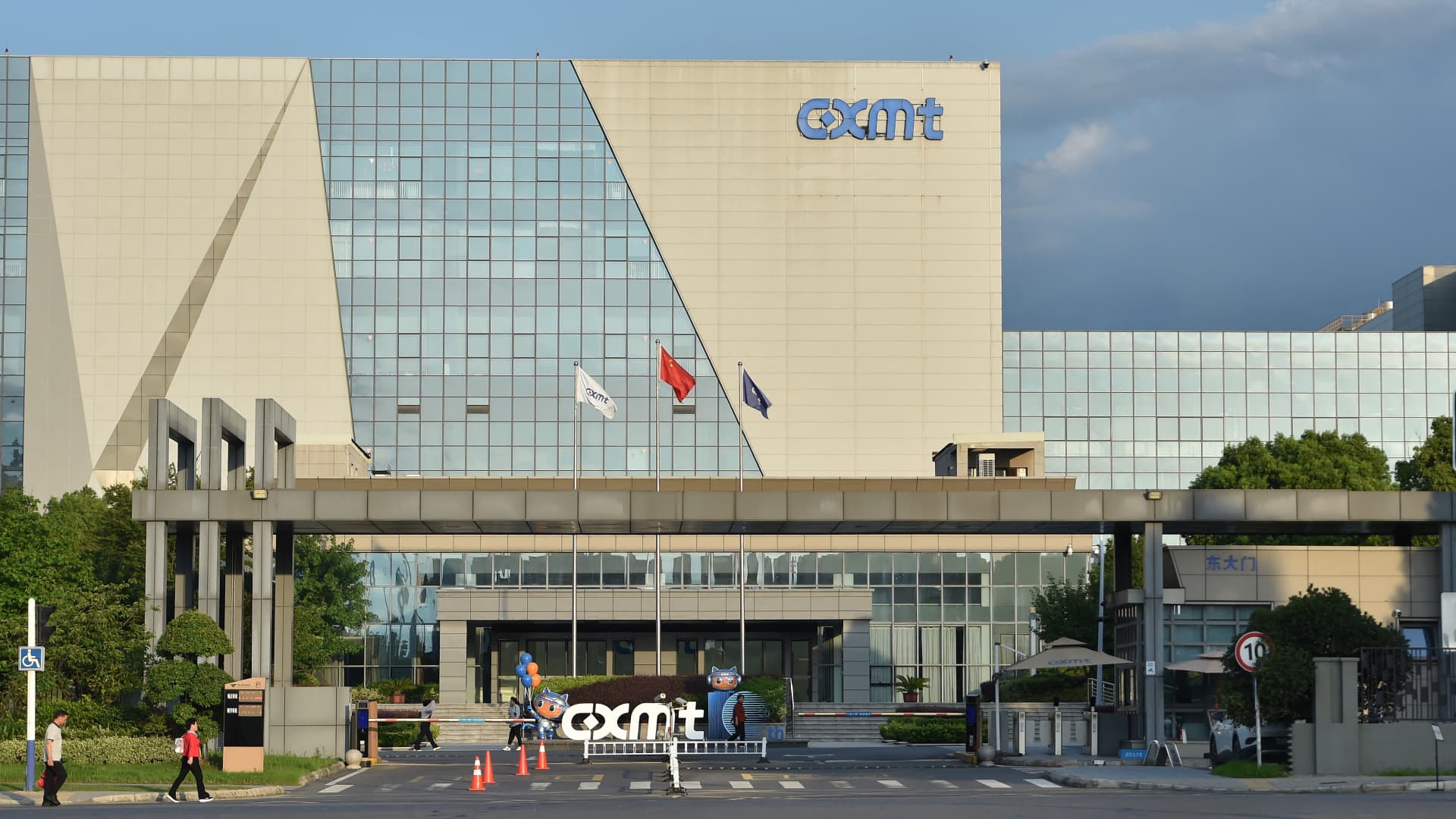
China’s CXMT IPO debut turned the memory-chip maker into a market story after its shares jumped nearly 466% in Shanghai on Monday, according to CNBC. For investors watching the AI supply chain, analysts say the stock move is only the opening act: the harder test is whether CXMT can close the technology gap with Samsung Electronics, SK Hynix and Micron.
CXMT, China’s leading memory-chip company, is benefiting from Beijing’s push to build more of its own semiconductor industry at home. CNBC reported that the company’s shares were up more than 5% in Friday trading after the strong start to public trading.
David Gibson, senior analyst at MST Financial, told CNBC that the listing does not change the outlook for the three largest memory suppliers or the broader industry, since demand still runs ahead of supply. That is an important point for retail investors: a hot IPO can lift attention on a company, but memory chips are a manufacturing race where scale, technology and customer qualification drive the business.
Can CXMT catch Samsung, SK Hynix and Micron?
The biggest hurdle is high-bandwidth memory, or HBM. HBM is a type of advanced memory built by stacking DRAM chips, allowing data to move faster between memory and processors. It has become central to AI servers because large AI models need quick access to large amounts of data.
MS Hwang, research director at Counterpoint Research, told CNBC that CXMT is aiming to start producing HBM from the end of 2026. Hwang said the company’s new Shanghai fab is designed to make AI chips, including HBM, and that its first products could be HBM3E or HBM3 depending on performance.
That would still leave CXMT behind the leaders. Hwang said competitors are already moving toward HBM4 and HBM4E. Samsung said on its second-quarter earnings call Thursday that it had expanded HBM4 sales and shipped the industry’s first HBM4E samples to major customers, according to CNBC.
Why EUV restrictions matter for CXMT
Analysts pointed to CXMT’s limited access to extreme ultraviolet lithography, known as EUV, as a core constraint. EUV machines are used to print very fine chip patterns, and they are effectively unavailable to China under U.S.-led export restrictions, Gibson told CNBC.
Without that equipment, Gibson said CXMT needs about 30% more wafers than rivals to produce the same amount of memory. A wafer is the thin slice of semiconductor material on which chips are made. More wafer use can make production less efficient, especially in a market where cost and output matter.
Gibson also said CXMT can make HBM because it is stacked DRAM, but he expects low yields and limited volumes. Yield means the share of chips that come out of the manufacturing process usable, a key measure of semiconductor production quality and cost.
Ellie Wang, an analyst at TrendForce, told CNBC that CXMT has been working on HBM research and development for some time. She said HBM production is technically possible without EUV, but CXMT is still likely to show a clear performance gap against leading peers.
Counterpoint Research data cited by CNBC shows Samsung leading the global DRAM market with 38% share, followed by SK Hynix at 29% and Micron at 22%. CXMT’s share was 8%.
CXMT’s near-term strength is likely to come from China. Gibson said the company should keep gaining DRAM share, with much of that growth coming from customers such as Tencent, ByteDance, Alibaba and domestic smartphone makers. Wang said CXMT already supplies many Chinese phone brands and is expanding into China’s PC and server markets, while its products remain concentrated in mainstream and mid-range segments.
This story draws on original reporting from CNBC.


