GLP-1 prescriptions put retailers in fight for repeat pharmacy traffic
As employer coverage pulls back, Walmart, Costco, Amazon and CVS see direct GLP-1 programs as a way to win recurring customers.
By Maya Okafor · Markets Writer
· 4 min read
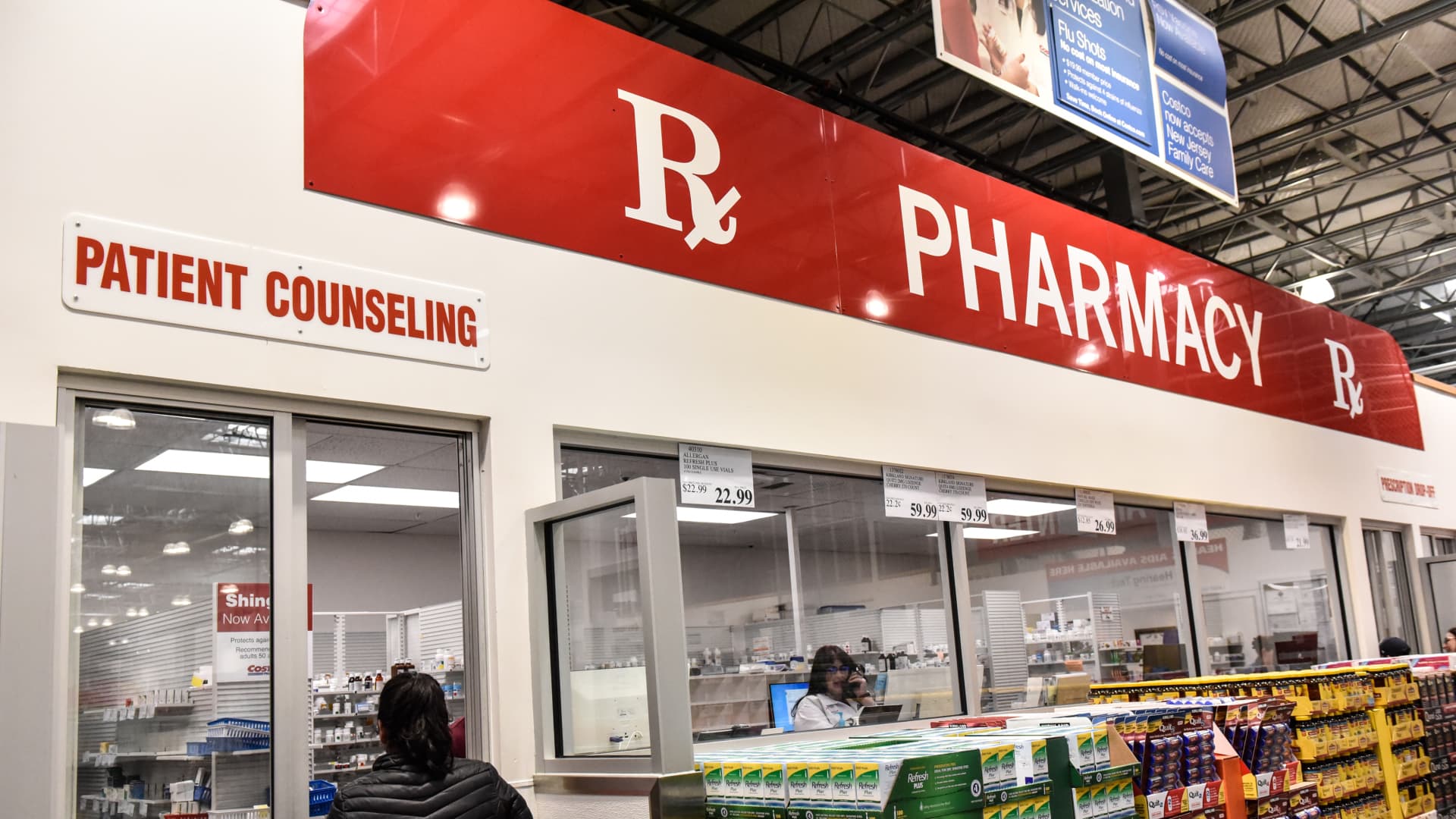
GLP-1 prescriptions retailers can fill directly are becoming a bigger prize as some employers pull back coverage for weight-loss drugs such as Wegovy and Zepbound. For investors watching Walmart, Costco, Amazon and CVS, the opportunity is less about one prescription sale and more about recurring pharmacy visits that can turn into broader shopping relationships.
GLP-1s are prescription drugs used for weight loss, including well-known brands from Novo Nordisk and Eli Lilly. Direct-to-consumer programs let patients get access through a branded or partnered platform, often with a specific pharmacy network or delivery option attached.
Eric Bormel, a managing director in Solomon Partners’ healthcare group, told CNBC that retailers want to become the “front door” for obesity care because the customer relationship can stretch beyond a single medication. He said the surrounding business, including repeat visits and related services, may become more valuable to retailers as drug prices face pressure.
Why are retailers chasing GLP-1 prescriptions?
The basic retail math is easy to understand: a refill happens regularly, and patients often need to return to the same channel to keep getting the advertised price. Jackie Swanson, managing partner at Gartner Consulting, told CNBC that refill behavior makes pharmacy a rare form of dependable retail traffic.
Swanson pointed to several current pricing structures. LillyDirect cash prices run from $299 to $449 a month, with better pricing tied to refilling within 45 days, she said. Novo Nordisk’s NovoCare starts at $199 for introductory months before moving to $349, according to Swanson. Costco’s Sesame partnership prices Wegovy at about $349 and requires a Costco membership, she said.
Those programs can steer patients into a retail ecosystem early. Swanson said when a discount is connected to a network, the pharmacy choice is often made when a patient signs up rather than when they arrive at a counter.
Walmart has nearly 4,600 pharmacies and is the fifth-largest U.S. prescription provider, CNBC reported. Drug Channels Institute’s latest published data put Walmart’s pharmacy market share at 4.8%, behind CVS at 14.7% and Walgreens at 14.6%. In April, Walmart expanded its Better Care Services digital platform to pair GLP-1 prescriptions with weight-management tools such as nutrition coaching, fitness apps and AI-driven coaching.
Amazon is also targeting the same opening. CNBC reported that Amazon launched a GLP-1 management program in April through Amazon One Medical and Amazon Pharmacy, offering insured patients prices as low as $25 a month. The company provides same-day delivery in nearly 3,000 cities and plans to expand that to 4,500 cities by year-end.
What changed with employer coverage?
A Mercer survey cited by CNBC found that 6% of large employers dropped GLP-1 coverage this year. The drugs’ share of claims rose to 11.4% from 6.9% in 2023, according to Mercer. CNBC also reported that Cigna said it would stop covering the medicines for its own employees.
Retailers have tried to make health care work before, with mixed results. Walmart closed its Walmart Health clinics and virtual care service in 2024 after deciding the primary-care model was not sustainable. Amazon shut Amazon Care in 2022 after announcing its $3.9 billion One Medical deal, and Haven, its health venture with JPMorgan Chase and Berkshire Hathaway, ended in 2021.
The shift may hit independent pharmacies hardest. Seth Friedman, pharmacy and health plan services practice leader at Gallagher, told CNBC that smaller pharmacies stand to lose prescription volume. Dared Price, who owns nine pharmacies in small Kansas towns, said patients are already moving to large chains for GLP-1 access and that independents lack comparable programs.
Price also raised a safety concern: if a patient fills a GLP-1 prescription elsewhere, a local pharmacist may not see the full medication list and may miss interaction warnings. CVS said through a spokesperson that its pharmacists are prepared to support patients beyond access, including through NovoCare, Medicare Bridge and most third-party prescription discount cards.
Elina Onitskansky, founder and CEO of Ilant Health, told CNBC that the drugs are powerful tools but work better when patients receive care from expert clinicians. Her concern is that low-price programs can split medical information across providers, leaving gaps in care even as retailers compete for a fast-growing prescription market.
This story draws on original reporting from CNBC.


