Prediction market trading tools give full-time traders an edge
CNBC found active Kalshi and Polymarket traders using AI bots, APIs and low-latency setups to compete across thousands of contracts.
By Jordan Bell · Startups & Deals Reporter
· 3 min read
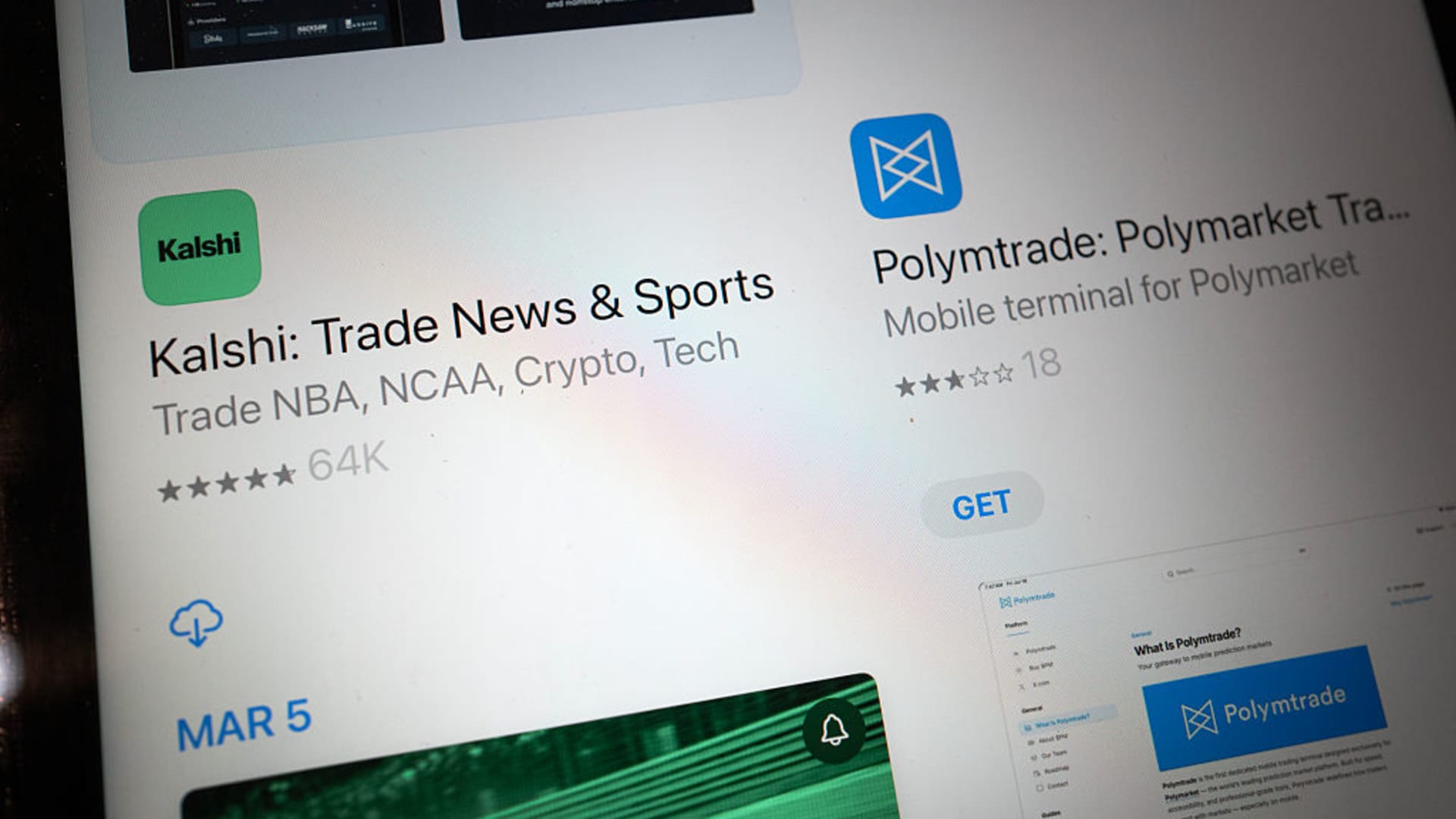
Prediction market trading tools are becoming a serious part of how active speculators compete on platforms such as Kalshi and Polymarket, CNBC reported. For everyday investors watching the space, the lesson is straightforward: the price shown on an event contract is only one input, while speed, data and automation can shape who gets the better trade.
Prediction markets let users buy contracts tied to real-world outcomes, such as elections, economic data, sports events or crypto prices. The contract price often acts like an implied probability, meaning a 60-cent contract broadly signals that traders see a 60% chance of that outcome, though fees, liquidity and market structure can affect the trade.
CNBC reported that Kalshi and Polymarket can have more than 100,000 active markets between them. That scale has pushed some individuals toward custom software, artificial intelligence tools and faster data sources, with several traders telling CNBC they now trade these markets full time.
What tools do prediction market traders use?
Logan Sudeith, 26, told CNBC he became a full-time prediction market trader less than a year ago and collected $250,000 in one month. He said profitable trading requires more than checking platform odds. For the Super Bowl, Sudeith said he bought an antenna so he could watch commercials with less delay than streaming services and trade quickly on markets tied to advertisers and commercial content.
Other traders described using AI to track information that would be hard to follow manually. Kenneth Deneau, 32, told CNBC that keeping up with news is a baseline requirement, but the volume can become too much. He said he uses Anthropic’s Claude to scan material including newsletters and Discord servers for information that could point to potential trades.
Deneau, who previously worked in institutional investing for almost a decade, told CNBC that rising activity on Kalshi and Polymarket last fall encouraged him to trade full time. In one case, he said he used Pacer, a database of court records, to analyze filings connected to a contract about when President Donald Trump would fire former Attorney General Pam Bondi.
Why APIs and bots matter
Prediction market exchanges offer application programming interfaces, or APIs, which let software access market data and interact with platforms. For coders, that can turn markets into a data problem: scan many contracts, watch prices, and place trades faster than a person clicking one order at a time.
Steve Farmer, an Atlanta-based data engineer, told CNBC he built an AI bot that trades on Kalshi throughout the day from a workspace in his home. Farmer said the bot has about a 70% win rate on economic event contracts, though he told CNBC he does not see it as a long-term investment strategy or a replacement for retirement savings.
Michael Boss told CNBC he first traded on Kalshi during the 2024 presidential election and began trading full time in February after building the software he wanted. He said his tools place many trades across multiple markets, though he declined to describe exactly how he trains the system.
Platforms are selling more advanced terminals
Kalshi has also moved to serve more active users. CNBC reported that the exchange recently launched a Pro trading terminal designed to make order entry faster and show more market data. Deekaraul “Deek” Harinath, a Kalshi trader who has placed more than 5,700 trades, told CNBC that one-click order submission is useful for his trading, including short-term crypto contracts that ask whether Bitcoin will rise or fall over 15 minutes.
Startups are also trying to package tools for traders who do not want to build their own systems. Jay Malavia, co-founder and CEO of Kairos, told CNBC that the Andreessen Horowitz-backed trading terminal lets users track contracts, price moves, real-time data and headlines across exchanges including Kalshi and Polymarket.
CNBC disclosed that it has a commercial relationship with Kalshi, including customer acquisition and a minority investment.
This story draws on original reporting from CNBC.


