DOGE $110 billion savings claims found unreliable in GAO audit
A GAO audit found errors and unsupported estimates in DOGE’s $110 billion savings tally, without calculating a replacement total.
By Jordan Bell · Startups & Deals Reporter
· 3 min read
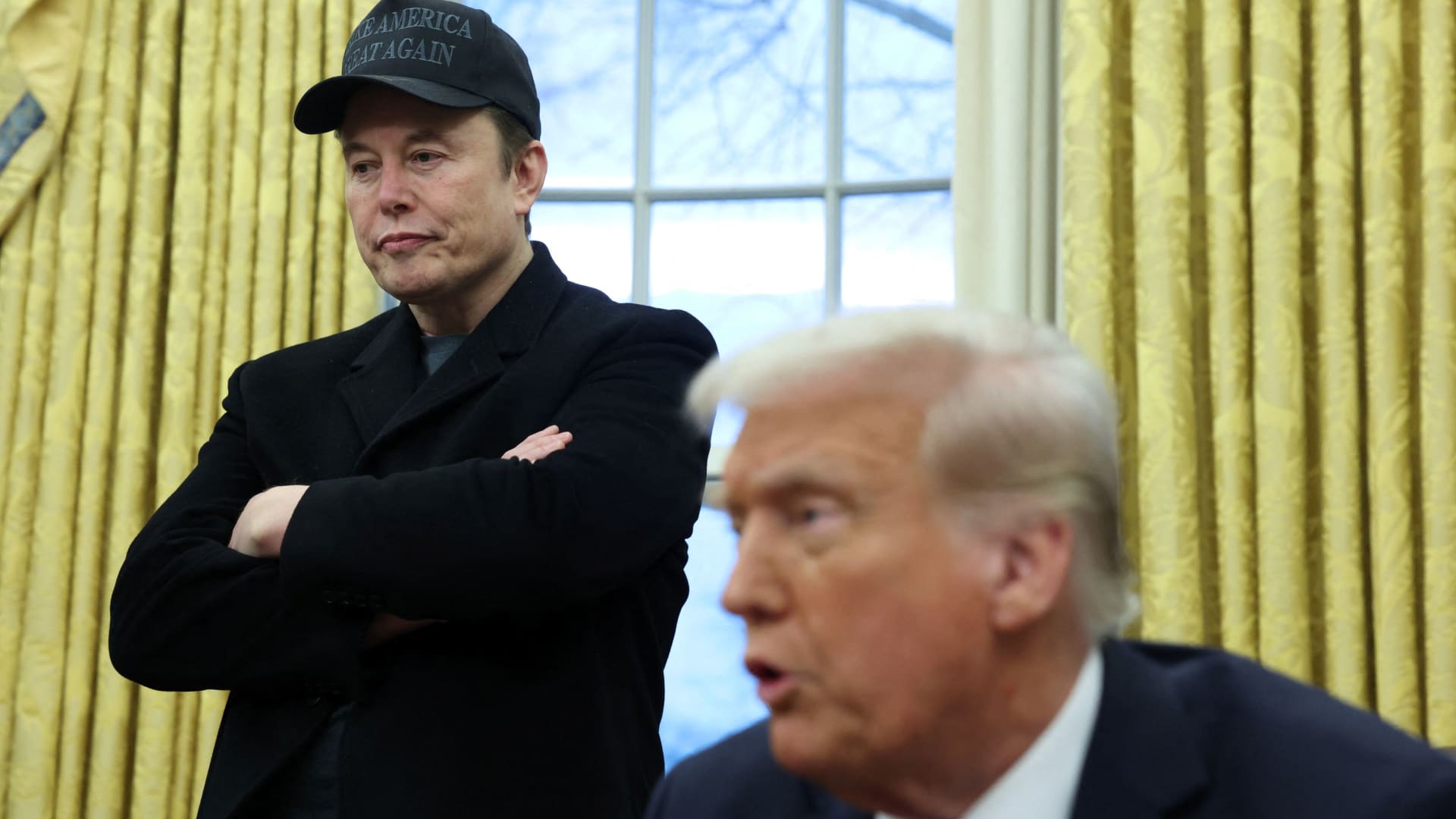
The Government Accountability Office said Elon Musk’s Department of Government Efficiency made DOGE $110 billion savings claims that were not reliably supported. For investors and taxpayers, the key point is that the audit does not put a new number on actual savings. It finds that the public tally cannot serve as a dependable measure of them.
The GAO released its report on Aug. 6 after examining the $110 billion that DOGE listed on its online Wall of Receipts for canceled federal contracts, grants and leases. The watchdog reviewed entries posted between Jan. 20, 2025, and July 7, 2026, then compared them with publicly available federal databases, CNBC reported.
DOGE separately displayed $215 billion in estimated cuts when categories beyond the Wall of Receipts were included. That was DOGE’s own total, not a figure validated by the GAO, according to CNBC.
What did GAO find in DOGE’s $110 billion savings claims?
The audit identified three recurring problems: contracts listed as terminated when no termination action occurred, lease savings that included closures already underway before DOGE existed, and grant figures without enough information to check the calculation method.
- DOGE listed 13,476 terminated contracts. The GAO found no termination action for 2,503 of those contracts, CNBC reported.
- Among 264 leases DOGE identified for termination, 108 were already in the process of ending before DOGE was established, according to CNBC. The GAO concluded that the lease savings were overstated, though secondary reports differed on the precise dollar amount.
- The GAO said DOGE did not provide sufficient information to verify the calculation method for 96% of its reported grant savings, CBS News and CNN reported.
One example involved a Defense Health Agency information-technology contract. DOGE included $1.7 billion in claimed savings even though the contract was not terminated or reduced, CBS News reported.
What the audit does and does not establish
The GAO’s finding is about the quality, transparency and support behind DOGE’s reported figures. It did not calculate a definitive replacement total for savings actually achieved. An entry that auditors could not verify is not, by itself, proof that no saving occurred.
The GAO recommended that the Wall of Receipts prominently disclose its data-quality problems and limitations. It said those shortcomings reduced the site’s usefulness to policymakers and the public. DOGE did not respond to the agency’s requests for information or interviews, CNBC and CBS News reported.
The review was requested by Democratic Sens. Gary Peters of Michigan and Richard Blumenthal of Connecticut. Peters called DOGE “slapdash and deceptive” in a statement, a political response that went beyond the audit’s findings. The GAO’s conclusion was narrower: the savings displayed on the site were not sufficiently reliable or transparent to substantiate the headline total.
This story draws on original reporting from CNBC.