ECB holds rate at 2.25% as traders price September increase
The central bank paused after June’s hike, but oil-driven inflation risks are keeping another move on traders’ radar.
By Maya Okafor · Markets Writer
· 3 min read
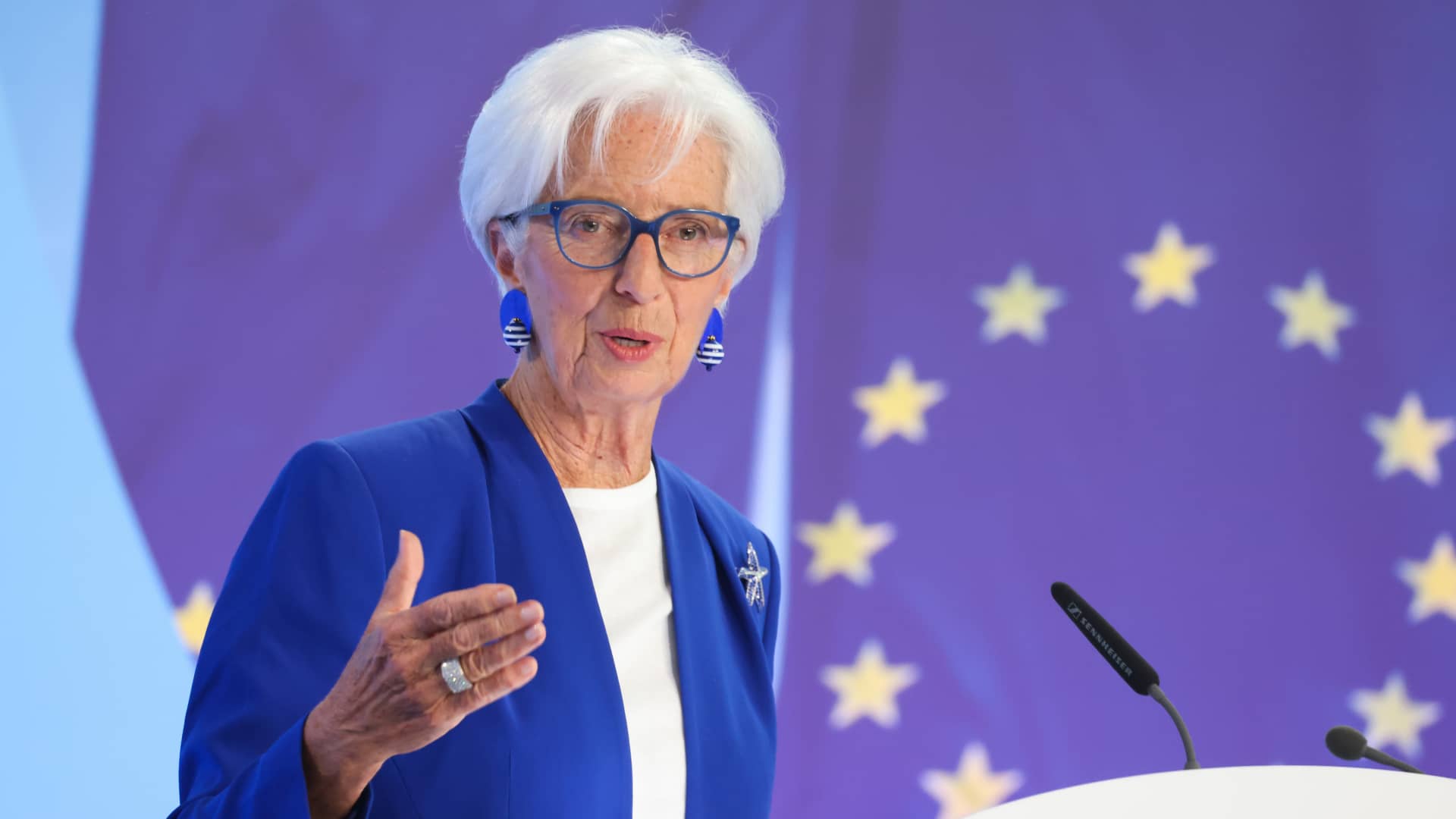
The European Central Bank kept its main interest rate at 2.25% on Thursday, matching broad market expectations. For everyday investors, the bigger signal was what came next: ECB President Christine Lagarde warned that higher energy prices could keep inflation under pressure, and traders are already looking toward a possible September increase.
The ECB said it is prepared to adjust its rates to get inflation back toward its 2% medium-term target. Eurozone inflation cooled to 2.8% last month from 3.2% in May, according to the central bank, but Lagarde said officials still expect inflation to stay “well above target” until the first half of 2027.
That gap matters for markets because interest rates are one of the central bank’s main tools for fighting inflation. When the ECB raises rates, borrowing becomes more expensive for households, businesses and governments. That can slow spending and investment, which may reduce price pressure over time. It can also weigh on rate-sensitive assets and increase the appeal of cash-like returns.
Energy prices are back in focus
Lagarde pointed to renewed conflict in the Middle East and the resulting rebound in oil prices as a risk to the inflation outlook. Energy costs feed directly into inflation through fuel, heating and power bills. They can also filter through the rest of the economy when companies face higher transport or production costs and pass some of that on to customers.
“Renewed disruption of energy supplies could increase energy prices further and for longer than expected,” Lagarde told reporters after the decision.
She added that the longer energy costs remain elevated, the greater the chance they push up wider inflation through indirect and “second-round effects.” In plain English, second-round effects happen when an initial price shock spreads into wages, services and other goods, making inflation harder for a central bank to bring down.
The ECB’s pause follows a quarter-point increase in June, which CNBC reported was the central bank’s first rate rise since 2023. That move came as inflation pressure tied to the Iran war energy shock began to hit Europe’s economy.
Traders look to September
Ed Hutchings, head of developed market rates at Aviva Investors, said traders now expect the ECB to raise rates by 0.25 percentage point in September. A move of that size is often described as 25 basis points, with one basis point equal to one-hundredth of a percentage point.
“Inflation expectations remain elevated and if sustained further, even tighter policy may well be needed,” Hutchings said.
Richard Carter, head of fixed interest research at Quilter Cheviot, said the market still expects the ECB to keep raising rates later this year, even though policymakers held steady this week.
“Clearly how aggressive it is in upping interest rates depends broadly on what is happening away from the continent, and that is making the job of the policy committee incredibly challenging,” Carter said.
For investors, the ECB’s message is that the inflation fight is no longer just about domestic demand in Europe. Oil prices and geopolitical risk are now central to the rate outlook, which means bond yields, bank stocks, currencies and broader equity valuations could keep reacting to headlines far beyond Frankfurt.
This story draws on original reporting from CNBC.


