Eli Lilly retatrutide FDA path draws focus as oil pressures stocks
Oil’s jump lifted inflation worries and yields, while Eli Lilly’s retatrutide filing plan gave investors a new wrinkle to weigh.
By Maya Okafor · Markets Writer
· 4 min read
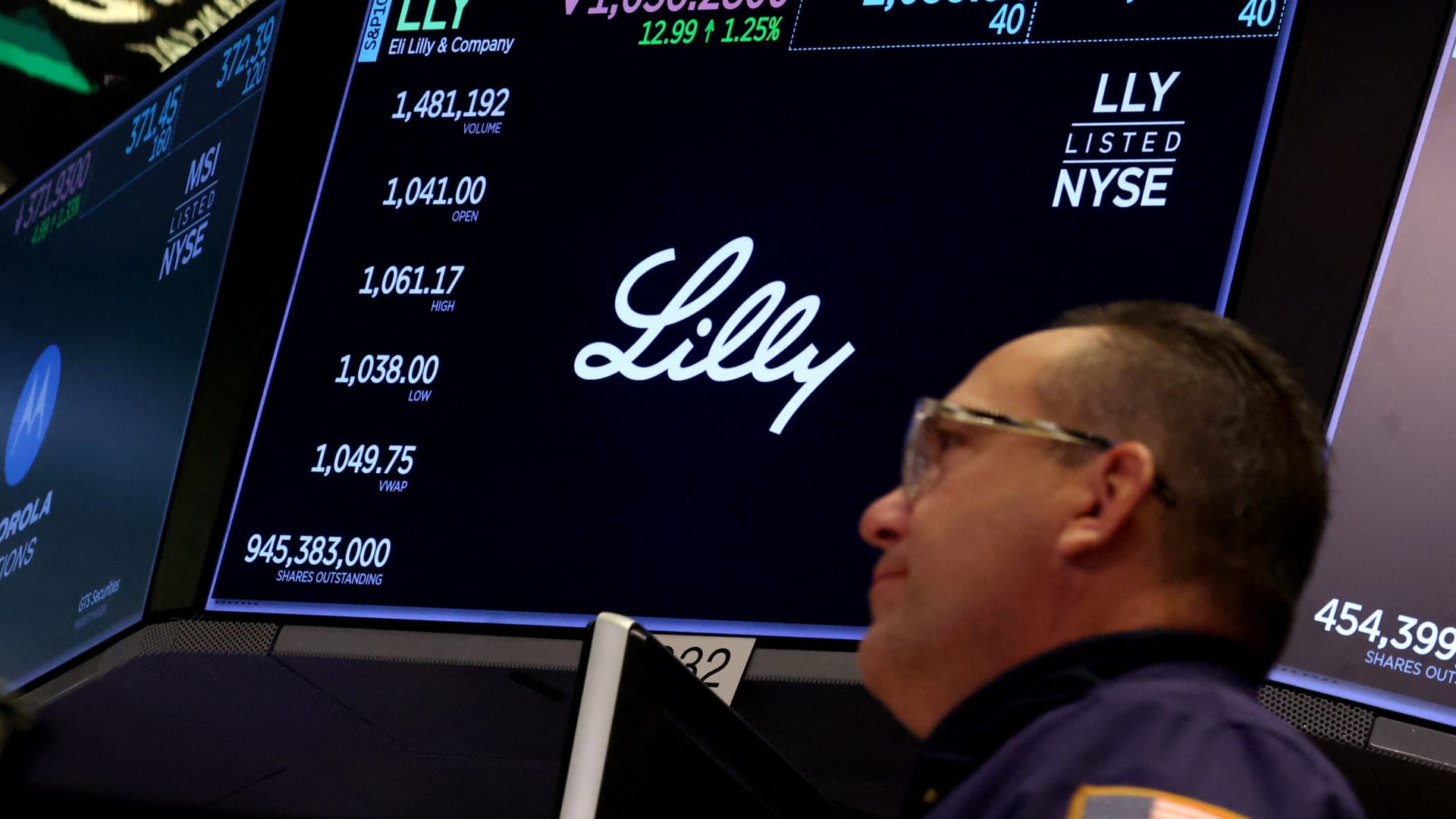
Stocks pulled back Thursday as investors weighed surging oil, higher bond yields and the latest Eli Lilly retatrutide FDA update reported by CNBC’s Investing Club. For everyday investors, the day brought two different pressure points: energy prices that can keep inflation sticky, and a drug-approval strategy that could shape the long-term value of one of Lilly’s next obesity treatments.
CNBC’s Investing Club said U.S. stocks were lower as several factors hit sentiment at once. Oil was the biggest macro concern in the update, with the conflict in the Middle East helping push U.S. benchmark WTI crude back above $90 a barrel and Brent crude, the international benchmark, above $100 a barrel.
Higher oil prices can feed inflation because energy touches shipping, manufacturing and consumer fuel costs. That matters for stocks because inflation expectations can influence interest rates. CNBC’s Investing Club said bond prices fell as inflation concerns rose, pushing the 10-year Treasury yield to 4.70%, its highest level since January 2025.
Why did oil prices weigh on stocks?
When bond yields rise, investors can earn more from relatively safer government debt, which can make riskier assets such as stocks less attractive. Higher yields can also pressure company valuations because future profits are discounted at a higher rate.
Rate expectations also shifted. According to the CME FedWatch tool cited by CNBC’s Investing Club, markets still indicated the Federal Reserve was likely to leave rates unchanged at next week’s Federal Open Market Committee meeting. The same data showed the market pricing about an 83% chance of a rate increase in September, up from 53% a week earlier.
Tech added another drag. CNBC’s Investing Club pointed to Alphabet’s negative free cash flow in the second quarter and its higher full-year capital spending outlook as fresh fuel for concerns about whether large cloud and AI infrastructure companies are earning enough on the money they are pouring into artificial intelligence. Free cash flow is the cash a company has left after running the business and funding capital projects.
Alphabet shares were down more than 6% Thursday, putting the stock on track for its worst session of the year, according to CNBC’s Investing Club. The update said management teams believe the AI spending is justified, but investors were penalizing the group for raising spending.
What is Eli Lilly retatrutide?
Retatrutide is Eli Lilly’s next-generation obesity drug candidate. CNBC’s Investing Club reported that Lilly announced positive results from two late-stage trials and said the drug produced more weight loss than Novo Nordisk’s Wegovy and Lilly’s own Zepbound.
The drug is also known as “triple G” because it targets three appetite-related hormones whose names begin with the letter G, according to CNBC’s Investing Club. Some investors had viewed the treatment mainly as an option for patients who need faster weight loss, while the update said more market voices now see the possibility of broader use.
The timing drew attention. Lilly plans to submit retatrutide to the Food and Drug Administration in the first quarter of 2027, CNBC’s Investing Club reported. That was later than some investors expected, with some looking for a filing before the end of the year.
The bigger issue may be the filing route. CNBC’s Investing Club said Lilly plans to seek approval through a Biologics License Application, or BLA, instead of the traditional New Drug Application, or NDA, route used for tirzepatide, the active ingredient in Mounjaro and Zepbound, and for Wegovy.
A BLA is generally used for biologic therapies, which are complex medicines made from living cells or organisms. CNBC’s Investing Club said biologics typically receive stronger commercial protection and are exempt from Medicare price negotiations under the Inflation Reduction Act, unlike several traditional small-molecule drugs covered each year.
CNBC’s Investing Club said Lilly was able to use the BLA path for retatrutide because of an October U.S. district court decision. The takeaway for investors is that a later filing could come with a regulatory route that may provide more protection over the drug’s commercial life, according to the update.
Investors were also looking ahead to earnings. CNBC’s Investing Club said Intel was scheduled to report after Thursday’s close, while American Express, Verizon, Charter Communications, SLB and HCA Healthcare were due before Friday’s opening bell. Friday’s economic calendar includes July S&P Global U.S. manufacturing and services PMI readings and June new home sales.
This story draws on original reporting from CNBC.


