EU presses five Caribbean states to end golden passport programs by 2028
The reported EU request puts visa-free Schengen travel at risk for five Caribbean nations, but no suspension has been imposed.
By Maya Okafor · Markets Writer
· 3 min read
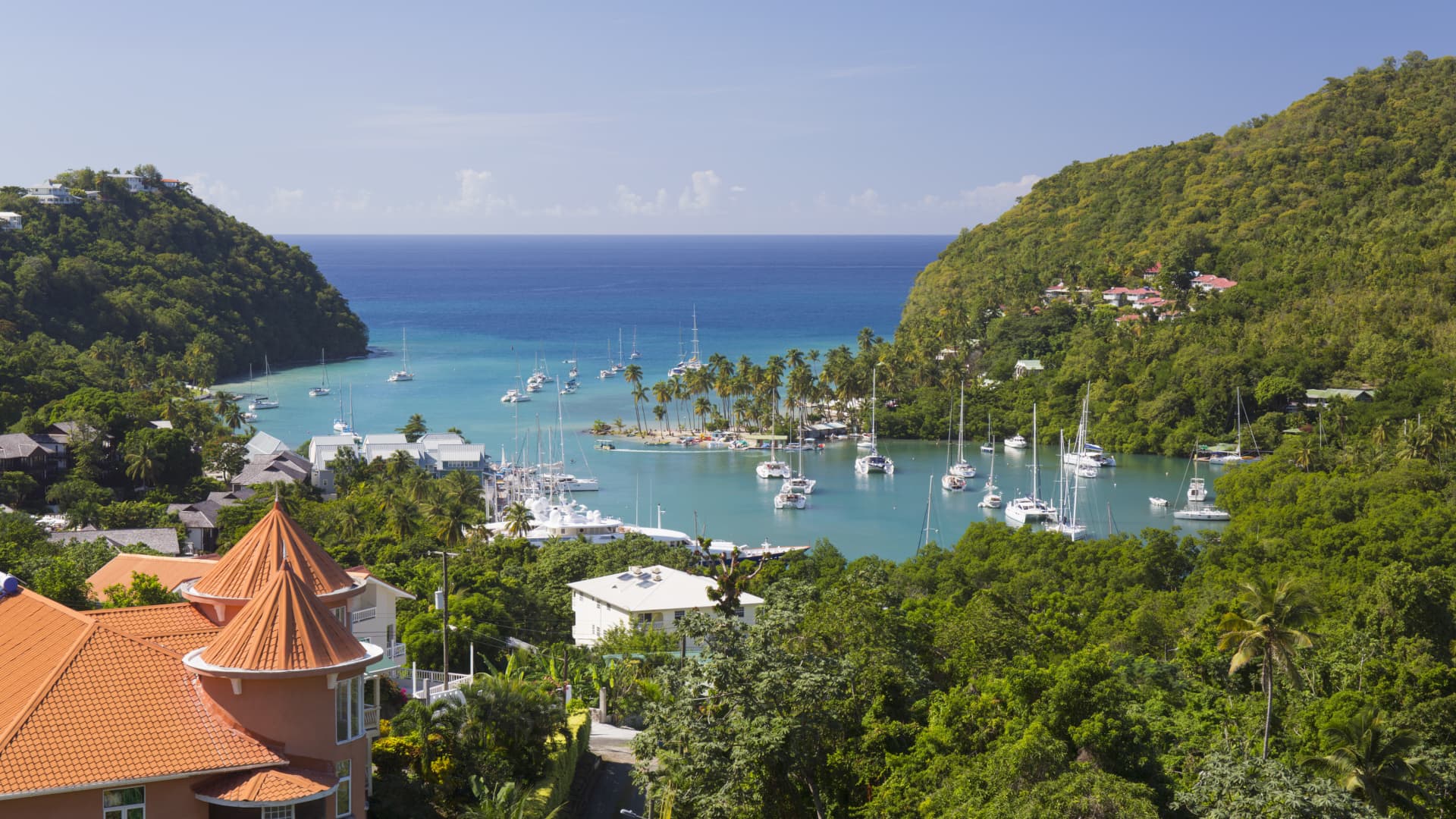
The EU Caribbean golden passports dispute is putting a valuable travel benefit and a major source of government revenue on the line for five island nations. Reports by CNBC and Amsterdam News say the European Union asked the countries in late June to end their citizenship-by-investment programs by 2028 or risk losing visa-free entry to Europe’s Schengen area.
The countries named are Antigua and Barbuda, Dominica, Grenada, Saint Lucia, and Saint Kitts and Nevis. The reported request is not an immediate travel ban: none of the supplied reporting says the EU has already suspended visa-free Schengen access for their citizens.
For investors and applicants, the key uncertainty is whether the governments and EU can reach an agreement before the reported deadline. The five countries are preparing a coordinated response that includes a mission to Brussels, CNBC reported.
What are the EU Caribbean golden passport programs?
Citizenship-by-investment programs, often called golden passports, offer a route to citizenship in return for a qualifying economic contribution. CNBC reported that applicants may buy real estate or contribute to a government fund; program costs begin at about $200,000. A 2023 Vox explainer noted that such programs can establish a formal citizenship path for people who have no prior connection to the country and may not require residence there.
That passport can be valuable partly because it permits visa-free travel to many destinations. CNBC said passports from the five countries allow visa-free access to roughly 140 countries and territories, including the Schengen area.
What does the EU want, and what happens next?
Amsterdam News reported that the EU’s message treats the continued operation of investor-citizenship programs as a basis for potentially suspending visa-free travel. The report said the bloc is also seeking interim measures while any phaseout is considered, including more rigorous applicant screening and barring applicants subject to EU sanctions.
Those details have been reported rather than independently confirmed in a primary EU document. CNBC cited immigration lawyer Ron Klasko as saying the new request did not identify particular security concerns or prescribe remedies, distinguishing it from prior pressure focused on vetting standards.
Caribbean governments say the economic stakes make a shutdown difficult. Antigua and Barbuda Prime Minister Gaston Browne said in a statement cited by CNBC that the programs are “critical pillars” of the country’s non-tax revenue and cannot be ended without credible and sustainable replacement income.
Regional leaders intend to use talks in Brussels to explain the development constraints facing small island states and seek practical solutions, according to statements reported by CNBC and Amsterdam News. Lawyers interviewed by CNBC differed on the likely outcome, with one seeing the request as an opening for negotiations and another expecting the EU to hold firm.
Earlier EU action offers context
The dispute follows previous EU action involving investor-citizenship programs. CNBC reported that the bloc withdrew Vanuatu’s visa-free Schengen access in late 2024 over security and migration concerns. In 2025, the European Court of Justice struck down Malta’s golden-passport program, after which Malta adopted a merit-based system with residency requirements, CNBC said.
Those cases do not decide the outcome for the five Caribbean states. The immediate question is whether negotiations produce changes that preserve visa-free access, or whether the reported 2028 threat results in a suspension.
This story draws on original reporting from CNBC.