Europe heatwaves economy costs rise as wildfires hit growth
Wildfires in France and Spain show how extreme summer heat is becoming a recurring cost for Europe’s economy and public budgets.
By Jordan Bell · Startups & Deals Reporter
· 4 min read
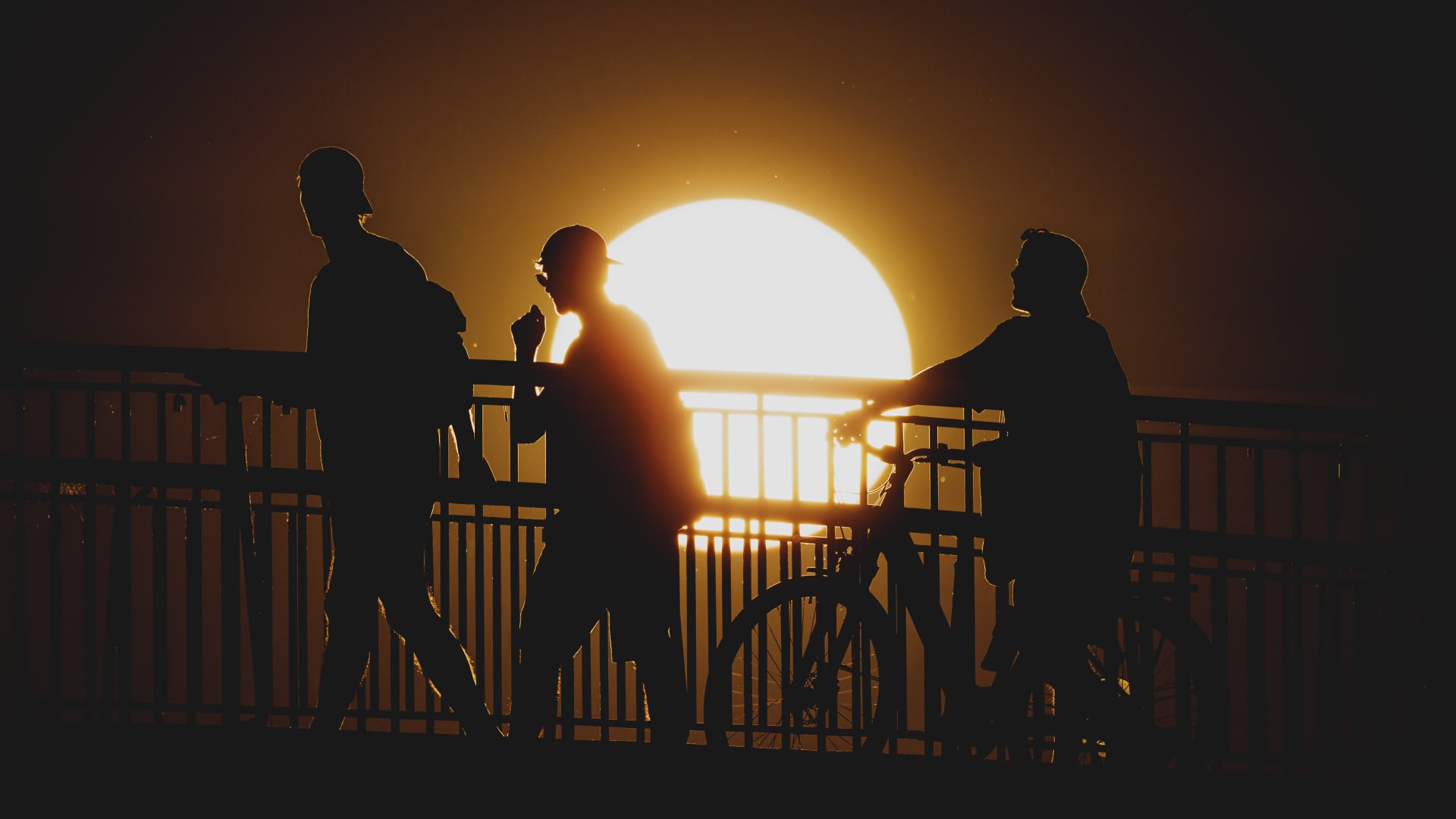
Europe heatwaves economy risks are moving from seasonal discomfort to a recurring cost for households, companies and governments. Wildfires in France and Spain, alongside repeated heatwaves across Western Europe, are straining infrastructure, interrupting business and adding pressure to food, insurance and public spending, economists told CNBC.
Fires in France and Spain have burned 300,000 acres and led to the evacuation of 300,000 people, according to CNBC. French Finance Minister Roland Lescure said Monday that the latest wildfires were “like a clap of thunder” for the local economy.
The World Meteorological Organization said Europe has faced higher wildfire potential, with more large fires and a longer fire season. The WMO also said Western Europe recorded its hottest June on record this year.
How do heatwaves hurt Europe's economy?
Heat damages an economy through several channels at once: workers are less productive, transport systems can be disrupted, energy demand rises for cooling, crops face stress and tourists may avoid affected areas. A macroeconomic risk means a problem big enough to affect broad measures such as growth, inflation, government budgets or national output.
Carsten Brzeski, ING’s global head of macro, said in a June report that Europe must now account for the cost of cooling, health care, emergency infrastructure, transportation and agriculture as extreme weather becomes more frequent and more intense. “The uncomfortable truth is that heatwaves have quietly graduated from ‘weather event’ to ‘macro variable,’” Brzeski said.
A 2025 paper from the University of Mannheim and the European Central Bank found that heatwaves, droughts and floods in the summer of 2025 reduced European economic output by about 0.3%. The paper estimated that the accumulated hit could reach 0.8% by 2029, tied to weaker productivity, supply chain disruption and lower tourism revenue.
For everyday investors, that link matters because weather costs can show up in company margins, food prices, insurance claims and government spending. CNBC reported that agricultural commodities including cocoa, coffee and wheat are expected to be among the asset classes most exposed to heatwaves, as volatile and warmer weather threatens harvests and can push food prices higher.
Wildfires add pressure on budgets and insurers
Georg Zachmann, a senior fellow at Bruegel who focuses on energy and climate policy, told CNBC’s “Squawk Box Europe” that the situation is “a big economic challenge.” He said governments need to adapt systems early and slow the pace of climate change so their ability to absorb risks is not exceeded.
Zachmann said extreme weather can hit fiscal budgets because governments pay for evacuations, firefighting and infrastructure repairs. He pointed to California’s 2025 fires, saying direct costs may have reached $40 billion to $60 billion, with indirect costs estimated around $300 billion.
He also told CNBC that disasters that strike randomly can lift prices, including risk premiums for people who want to build in exposed areas. Allianz Commercial said in a June report that insurers paid $56.3 billion for wildfire losses in the 2010s, six times the $8.7 billion paid in the 2000s. The report said utilities and energy, real estate, construction, agriculture and transportation are among the hardest-hit sectors.
Brzeski told CNBC that rebuilding after fires in France and Spain could create positive economic activity, a pattern seen after other natural disasters. That does not erase the upfront damage, but it helps explain why headline gross domestic product figures can sometimes hide the financial strain on households, businesses and public agencies.
Why are Europe's wildfires getting worse?
Stefan Doerr, a professor of wildland fire science at Swansea University, told CNBC’s “Squawk Box Europe” that climate change and poor land management are playing a major role. He said decades of abandoned agricultural land and long-running human influence on southern Europe’s terrain have left some areas with dense vegetation that burns more easily during heat and drought.
Doerr said parts of the region would have less flammable forests under more natural conditions. “This is man-made,” he told CNBC, adding that the plants may be natural but the current shape of the land is artificial.
This story draws on original reporting from CNBC.


