Europe wildfire insurance gap comes into focus after summer fires
Fires in France, Spain and Greece have exposed how much climate-disaster damage remains uninsured across Europe.
By Dev Ramirez · Crypto Correspondent
· 3 min read
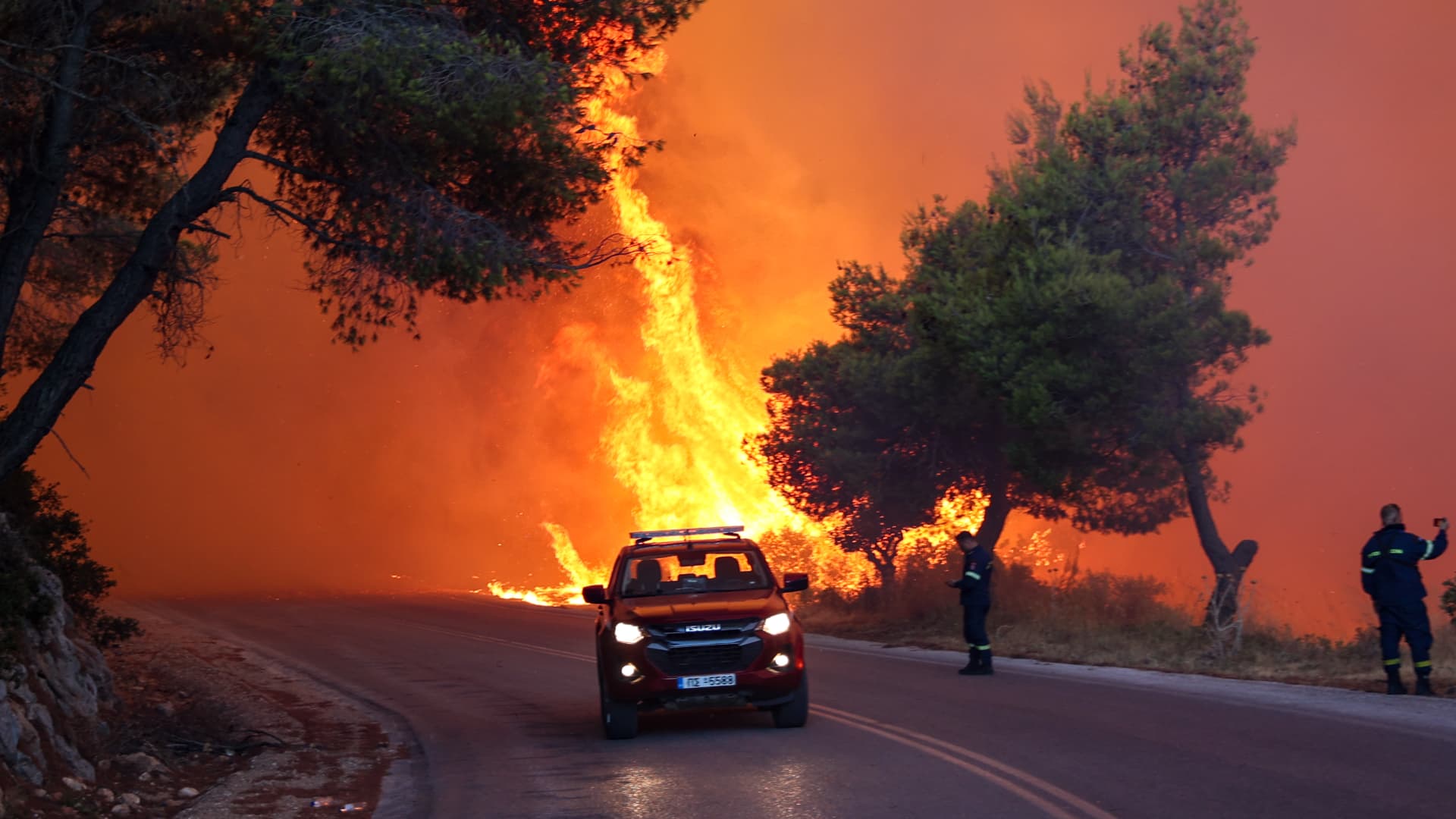
Europe’s wildfire insurance gap is back in focus after severe fires in France, Spain and Greece, with the financial consequences extending beyond burned homes and businesses. For investors, the near-term test is whether fires reach major built-up or industrial areas, while the longer-term issue is whether insurance stays affordable and available as catastrophe risk changes.
Reuters reported that about 220,000 people had been evacuated in France as of Aug. 4. Morningstar DBRS estimated total losses from the French fires could reach €10 billion to €15 billion, including several billion euros of insured losses. Fitch Ratings said the effect on insurers’ 2026 earnings should remain limited if the fires do not spread into large residential, commercial or industrial zones.
What is Europe’s wildfire insurance gap?
The insurance protection gap is the difference between the economic loss caused by a disaster and the amount paid by insurers. It does not mean every uninsured euro falls on governments: losses can remain with households, companies or public bodies, depending on the event and local arrangements.
The European Insurance and Occupational Pensions Authority, or EIOPA, said roughly one quarter of losses from extreme events in Europe from 1980 through 2024 were insured. That figure covers extreme events broadly, including floods, storms, heatwaves and wildfires, rather than wildfire losses alone.
Spain provides a more specific illustration. Marsh executive Tyson Vickery told Reuters that the country’s 2025 wildfires caused close to €5 billion of damage, while well under €1 billion was insured.
Why the current fires matter for insurers and policyholders
Claims from wildfires can go beyond physical damage. Reuters reported that insurers expect claims linked to evacuations, business interruption, supply-chain disruption and utility outages. In France, wildfires are outside the state-backed natural-disaster compensation scheme that covers floods and droughts, so private insurers are expected to carry most of the current recovery costs.
Industry executives have warned that the risk is becoming costlier to cover. Zurich Insurance CEO Mario Greco told CNBC that weather risks can be insured, but prevention and mitigation require coordinated action by governments and local authorities. Swiss Re CFO Anders Malmström said more wealth has accumulated in exposed areas and homes there have become more expensive, increasing the amount that may need protection.
Pricing the risk is also difficult. Analysts and climate specialists told Reuters that Europe has limited historical wildfire data for the models insurers use to assess and price exposure. Rodolphe Mann, head of France at broker Miller, told The Insurer that household premiums are likely to rise in higher-risk areas when policies renew in January.
What could Europe do about the protection gap?
EIOPA’s 2025 consumer survey found that 17% of respondents held cover for property damage from natural catastrophes. The regulator cited perceived unaffordability, unclear terms and expectations of state compensation as barriers to buying coverage. EIOPA also said higher premiums, exclusions or insurer withdrawals in high-risk locations could affect access to insurance and, in turn, mortgages.
The European Central Bank and EIOPA have proposed, rather than adopted, an EU-level public-private reinsurance scheme and a public disaster fund. The ideas are intended to pool some catastrophic risks and strengthen public disaster financing while preserving incentives to reduce damage before a disaster occurs.
This story draws on original reporting from CNBC.


