FAA space launch rules could speed approvals for SpaceX and Blue Origin
The FAA proposed waiving some environmental reviews for commercial launch licenses, with a 30-day comment period before any final rule.
By Maya Okafor · Markets Writer
· 3 min read
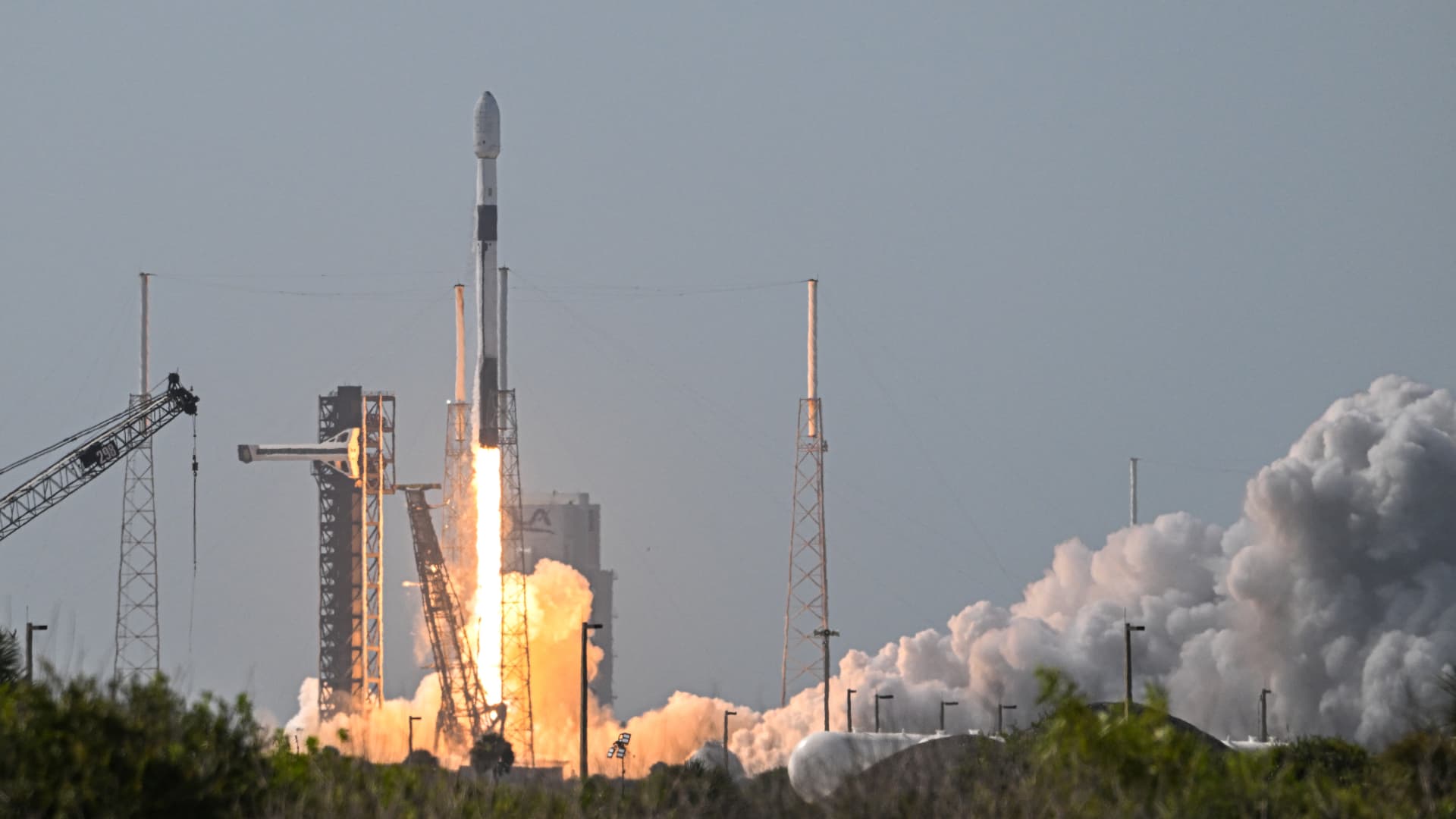
The FAA space launch rules proposed Tuesday could shorten the approval process for commercial rocket launches and reentries, a change that could matter for investors tracking the fast-growing space business and its suppliers. The Department of Transportation said the Federal Aviation Administration would be able to waive some environmental requirements tied to certain commercial space licenses and permits.
The Trump administration described the move as an effort to cut what it called “unnecessary environmental laws and regulations.” The proposal could benefit rocket operators including Elon Musk’s SpaceX and Blue Origin, the company founded by Jeff Bezos, along with other launch providers seeking faster federal reviews.
What would the FAA space launch rules change?
A launch or reentry license is the FAA permission a company needs to send a commercial spacecraft up or bring one back through U.S. regulatory oversight. Under the proposed rule, the agency could waive requirements imposed under 13 laws for certain licenses and permits, according to the FAA proposal.
Those laws include the National Environmental Policy Act, the Endangered Species Act, the National Historic Preservation Act, the Marine Mammal Protection Act, and portions of the Clean Water Act and Clean Air Act. Environmental review is the process federal agencies use to study how a project may affect land, water, wildlife, air quality, historic sites or nearby communities before granting approval.
The Transportation Department said requirements needed to protect public health and safety, property, national security or U.S. foreign policy interests would remain in place. The department also said launch applicants face what it described as needless costs and delays from environmental studies and overlapping reviews across federal agencies.
Why the launch approval fight is getting bigger
The FAA authorized a record 205 commercial space operations in fiscal 2025, according to the agency. Its commercial space forecast projects as many as 4,288 operations over the next decade.
That growth is why the rule matters beyond SpaceX and Blue Origin. More launches can mean more business for satellite operators, defense contractors, component suppliers and infrastructure firms, but it can also put more pressure on regulators to balance speed, safety and environmental oversight.
Reuters reported in May that FAA Administrator Bryan Bedford said SpaceX President Gwynne Shotwell told him the company wanted to reach 10,000 launches a year within five years. Bedford said at the time that the industry would need to show much stronger reliability for that level of activity.
The proposed rule follows President Donald Trump’s 2025 executive order titled “Enabling Competition in the Commercial Space Industry.” That order directed Transportation Secretary Sean Duffy to “eliminate or expedite” environmental reviews for space launch and reentry licenses.
“America won the first Space Race, and we can do it again, but only if we get government red tape out of the way,” Duffy said in the Transportation Department’s announcement. He said Trump had charged the department with “unlocking the final frontier” and re-establishing U.S. dominance in space.
What happens next?
The FAA proposal now enters a 30-day public comment period. The Transportation Department said the agency will review relevant comments before issuing any final rule.
The push to loosen parts of the review process comes after environmental scrutiny of launch activity in Texas. In 2024, the Environmental Protection Agency and the Texas Commission on Environmental Quality fined SpaceX a combined $150,000 after determining the company violated the Clean Water Act related to the discharge of tens of gallons of industrial wastewater from a launch pad in Boca Chica, Texas, National Public Radio reported. CNBC first reported the notices of violation and related investigative records.
SpaceX denied that the water used in launches was hazardous.
This story draws on original reporting from CNBC.


