Fed focus puts front end yield curve in play for bond investors
Allspring's Noah Wise told CNBC that short-term Treasurys look attractive as markets price in more Fed tightening.
By Dev Ramirez · Crypto Correspondent
· 3 min read
The Fed front end yield curve trade is back in focus for bond investors trying to earn income without taking on as much interest-rate risk. Noah Wise of Allspring Global Investments told CNBC that investors may want to emphasize short-term Treasurys rather than longer-maturity bonds as the market looks ahead to the Federal Reserve’s next policy moves.
Wise, Allspring’s head of global macro strategy and a senior portfolio manager, said on CNBC’s “ETF Edge” that the market is pricing in “a couple of hikes” from the Fed over the next few years. In that setup, he said, yields above 4% on short-term government debt can offer what Allspring views as attractive income with relatively low risk.
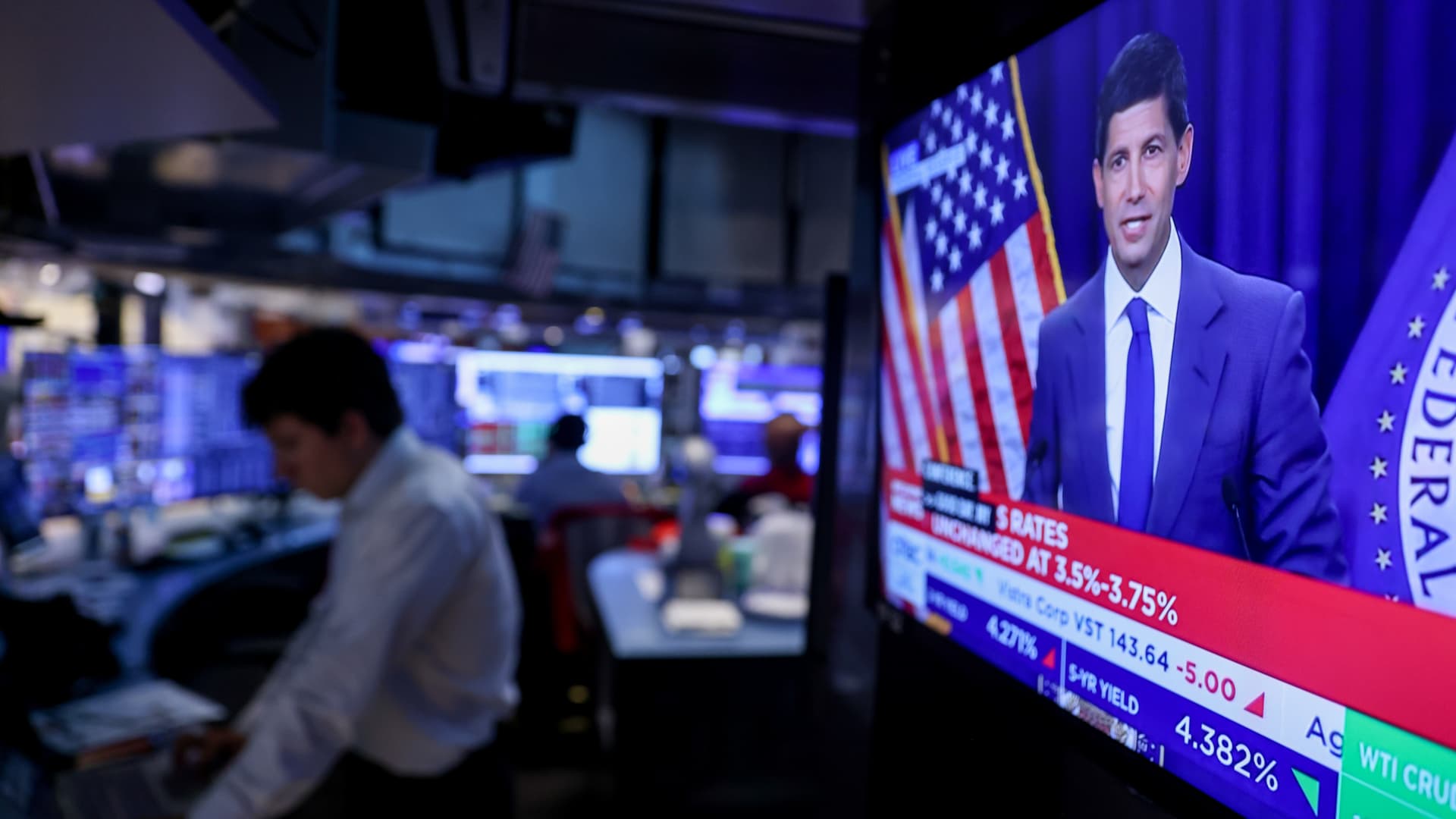
The Federal Reserve left interest rates unchanged this week, according to CNBC. Wise wrote in a note to CNBC that the decision did not change his approach, saying uncertainty around short-term Treasury yields between Fed meetings has created room for tactical shifts in exposure.
What is the front end of the yield curve?
The front end of the yield curve refers to bonds with shorter maturities, such as short-term Treasury bills and notes. These securities tend to react more directly to expected Fed policy because the central bank’s rate decisions have a stronger influence on near-term borrowing costs.
Long-duration bonds, by contrast, are more sensitive to changes in interest rates because investors are locked into their cash flows for longer. When rates rise, existing longer-term bonds can lose more value, since newer bonds may offer higher yields.
That is the core trade-off Wise highlighted: investors can still collect income in short-term Treasurys while limiting exposure to the larger price swings that can hit longer-maturity bonds when rate expectations shift.
Where Allspring sees fixed-income opportunities
Wise also told CNBC that Allspring sees opportunities beyond Treasurys. He said the firm favors U.S. credit over European credit at this point, including both investment-grade debt and high-yield bonds.
Credit means lending to companies through bonds rather than lending to the government. Investment-grade bonds are issued by companies viewed as having stronger ability to repay, while high-yield bonds generally pay more because investors are taking on more default risk.
Wise pointed to strong U.S. macro fundamentals as part of the case for U.S. credit, according to CNBC. Allspring’s business spans fixed income, money markets and equities, and its website says its clients include consultants, financial advisors, corporations and financial institutions.
Why emerging markets are part of the discussion
Wise also said emerging-market debt remains an area where investors can find income, with a particular focus on Latin America. He told CNBC that some yields in the region are in double digits, while acknowledging geopolitical challenges and risks.
For everyday investors, the key point is that yield is only one part of the bond decision. Higher yields can reflect higher risk, including currency moves, political uncertainty, inflation risk or credit concerns. Wise framed those markets as a way to generate income in a diversified manner, according to CNBC, rather than as a risk-free alternative to Treasurys.
His broader message was that Fed uncertainty has not pushed Allspring away from bonds. It has shifted attention toward the parts of the market where short-term rates, credit conditions and global yields may give investors more ways to balance income and risk.
This story draws on original reporting from CNBC.


