Fed officials rate hike push targets stubborn inflation
Beth Hammack and Neel Kashkari said the Fed should raise rates now after opposing this week’s decision to hold steady.
By Dev Ramirez · Crypto Correspondent
· 2 min read
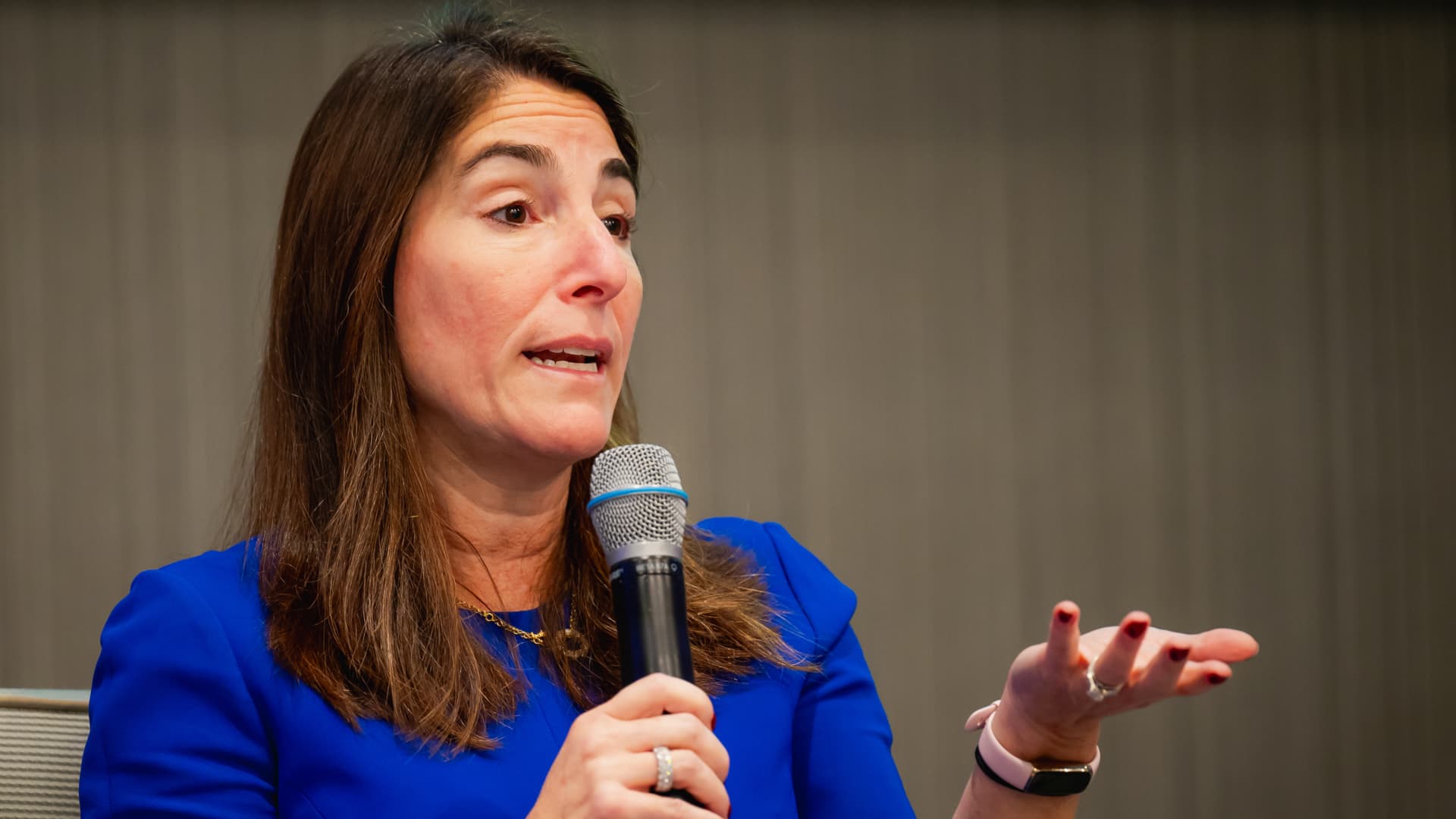
Two Fed officials rate hike supporters said Friday that the central bank should act now to keep inflation from becoming harder to control. Cleveland Fed President Beth Hammack and Minneapolis Fed President Neel Kashkari made the case after voting this week against the Federal Reserve’s decision to leave interest rates unchanged, according to CNBC.
For everyday investors, the disagreement matters because Fed rate decisions help set the tone for borrowing costs, savings yields and stock valuations. Higher rates can pressure companies and consumers by making credit more expensive, while the Fed uses them to slow demand when inflation is running above its goal.
Why do Fed officials want a rate hike now?
Hammack said in a Friday statement that the Federal Open Market Committee should move now to bring PCE inflation back to the Fed’s 2% target and uphold its commitment to price stability. PCE inflation refers to the personal consumption expenditures price index, a measure of consumer prices that the Fed uses as a key inflation gauge.
“In my view, now is the time for the [Federal Open Market Committee] to act to speed the return of PCE inflation to our 2 percent objective and deliver on our commitment to price stability for the American people,” Hammack said in the statement. “The longer that high inflation persists, the more challenging and costly it can be to bring it back down.”
Kashkari made a similar argument, saying he believes smaller rate increases now could reduce the need for larger moves later, CNBC reported. That view frames a near-term hike as a way to limit the risk that inflation expectations become more difficult for the Fed to manage.
What a rate hike does
An interest-rate hike raises the benchmark cost of short-term money in the financial system. Banks, lenders and markets then tend to reflect that shift through higher borrowing costs for households and businesses, though the effect is not instant or uniform.
The Fed’s challenge is balancing inflation control against the economic drag that tighter policy can create. Hammack’s statement emphasized the inflation side of that trade-off, arguing that waiting can make the eventual job more expensive.
The public comments also show that this week’s decision to hold rates steady did not settle the debate inside the central bank. Hammack and Kashkari’s positions point to continued pressure within the Fed for additional tightening if inflation remains above the 2% objective.
CNBC described the development as breaking news and said updates were expected.
This story draws on original reporting from CNBC.