Fed rate hike odds climb as oil tops $100 and jobless claims fall
Markets raised the odds of a September Fed hike after Brent hit $100 and jobless claims fell to the lowest level since 1969.
By Dev Ramirez · Crypto Correspondent
· 3 min read
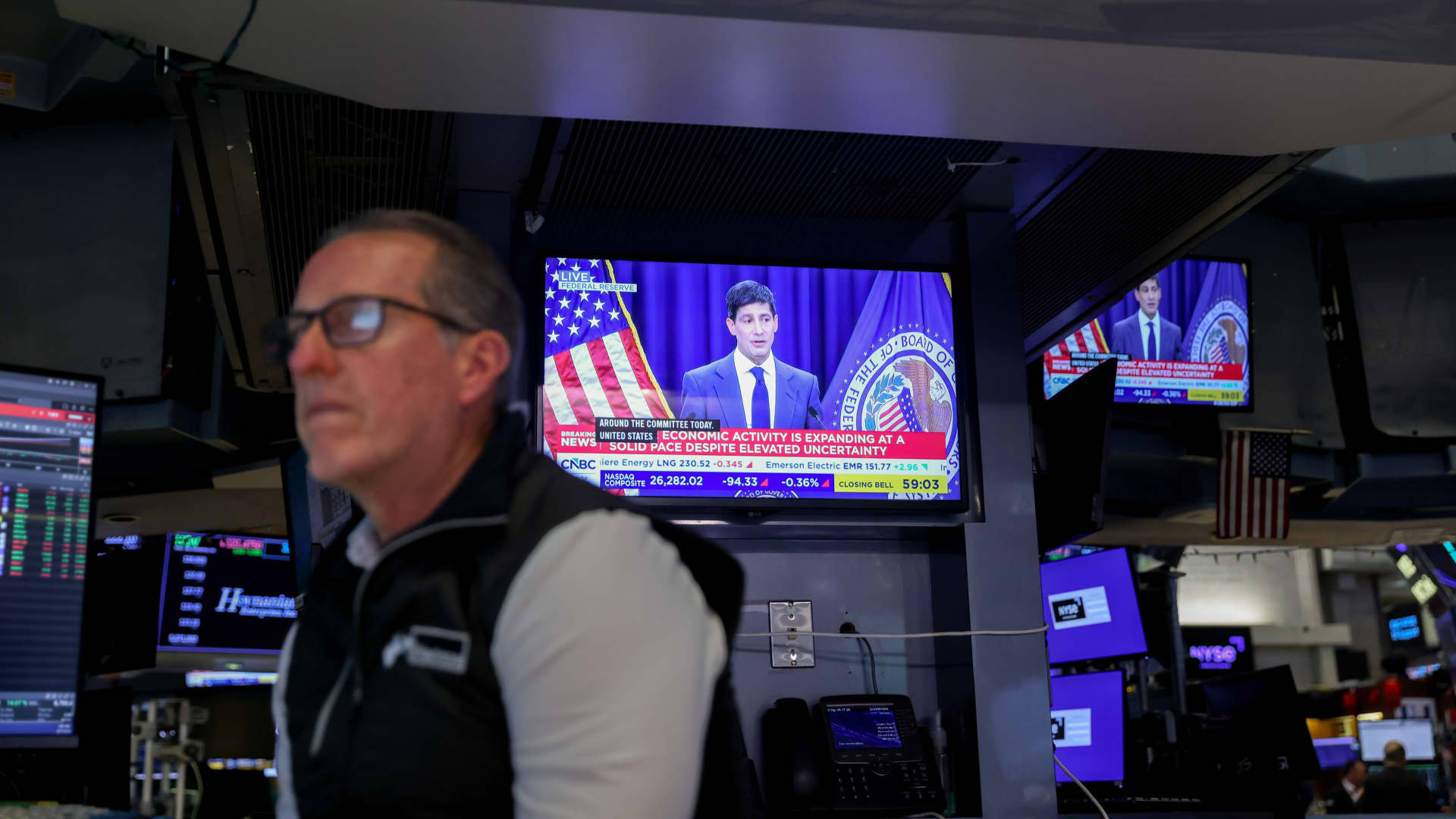
Fed rate hike odds moved sharply higher Thursday as oil prices rose and fresh labor data suggested the economy still has room to run. For everyday investors, the shift matters because higher rates can lift borrowing costs, pressure stock valuations and change the market’s view of inflation risk.
Fed funds futures, market contracts that reflect expectations for Federal Reserve policy, pointed to about an 82% chance of a rate increase at the Fed’s September meeting, according to CME’s FedWatch tool. One week earlier, the implied probability was below 53%.
Traders still broadly expect the Fed to leave its benchmark rate unchanged at 3.50% to 3.75% at next week’s meeting. Even there, the market has started pricing a higher chance of action: CME data showed a nearly 38% probability of a quarter-point increase, compared with less than 12% a week ago.
Why are Fed rate hike odds rising?
The clearest catalyst is energy. Brent crude, the global oil benchmark, reached $100 a barrel Thursday for the first time since late May as fighting between the U.S. and Iran escalated through a new round of retaliatory attacks. U.S. gasoline also moved higher, with the national average reaching $4 a gallon this week, the highest level in more than a month, according to AAA.
Higher energy prices can feed inflation because fuel affects transportation, household budgets and business costs. The Fed raises interest rates when it wants to cool demand and bring inflation under control, although higher rates can also slow economic growth.
Thursday’s jobless claims report added to the case that the Fed may have more room to focus on inflation. Initial claims for unemployment benefits fell to 187,000 in the week ended July 18, the Labor Department said. CNBC reported that was the lowest claims total since 1969, when the U.S. population was about 60% of today’s level.
Christopher S. Rupkey, chief economist at FWDBONDS, said the growth outlook is showing signs of overheating if the weekly claims data are reliable. He added that the question is how long that can last if energy prices keep climbing.
The changing rate outlook hit stocks during Thursday’s session. Larry Tentarelli, chief technical strategist at the Blue Chip Daily Trend Report, told CNBC that rising expectations for a Fed increase may be contributing to pressure on equities, along with the jump in oil, higher Treasury yields and Alphabet’s post-earnings drop.
The Dow Jones Industrial Average fell more than 600 points in midday trading. The Nasdaq Composite, which has a heavy weighting in technology stocks that can be sensitive to higher borrowing costs, dropped nearly 3%.
What are bond traders watching?
Investors are also tracking the 2-year U.S. Treasury yield, which often reacts to expectations for Fed policy. The yield rose more than 6 basis points Thursday, according to CNBC. A basis point is one-hundredth of a percentage point.
Ross Mayfield, an investment strategist at Baird, said the 2-year yield offers a read on what the Fed could do next. He said investors do not need to worry about a rate move next week, while September now looks like an active meeting for policymakers.
Prediction market Kalshi showed a similar shift. Traders on the platform put the odds of a September quarter-point hike at 48% midday Thursday, up from roughly 30% a week earlier.
Economists remain less convinced that a tightening cycle is ahead. FactSet’s consensus forecast still calls for no Fed rate hikes this year, and economists expect the central bank to cut borrowing costs by half a percentage point in 2027.
This story draws on original reporting from CNBC.


