Fewer Fed meetings are under discussion as investors weigh volatility risk
Kevin Warsh has floated a smaller Fed meeting schedule, a still-hypothetical change that could leave markets with fewer policy signals.
By Jordan Bell · Startups & Deals Reporter
· 3 min read
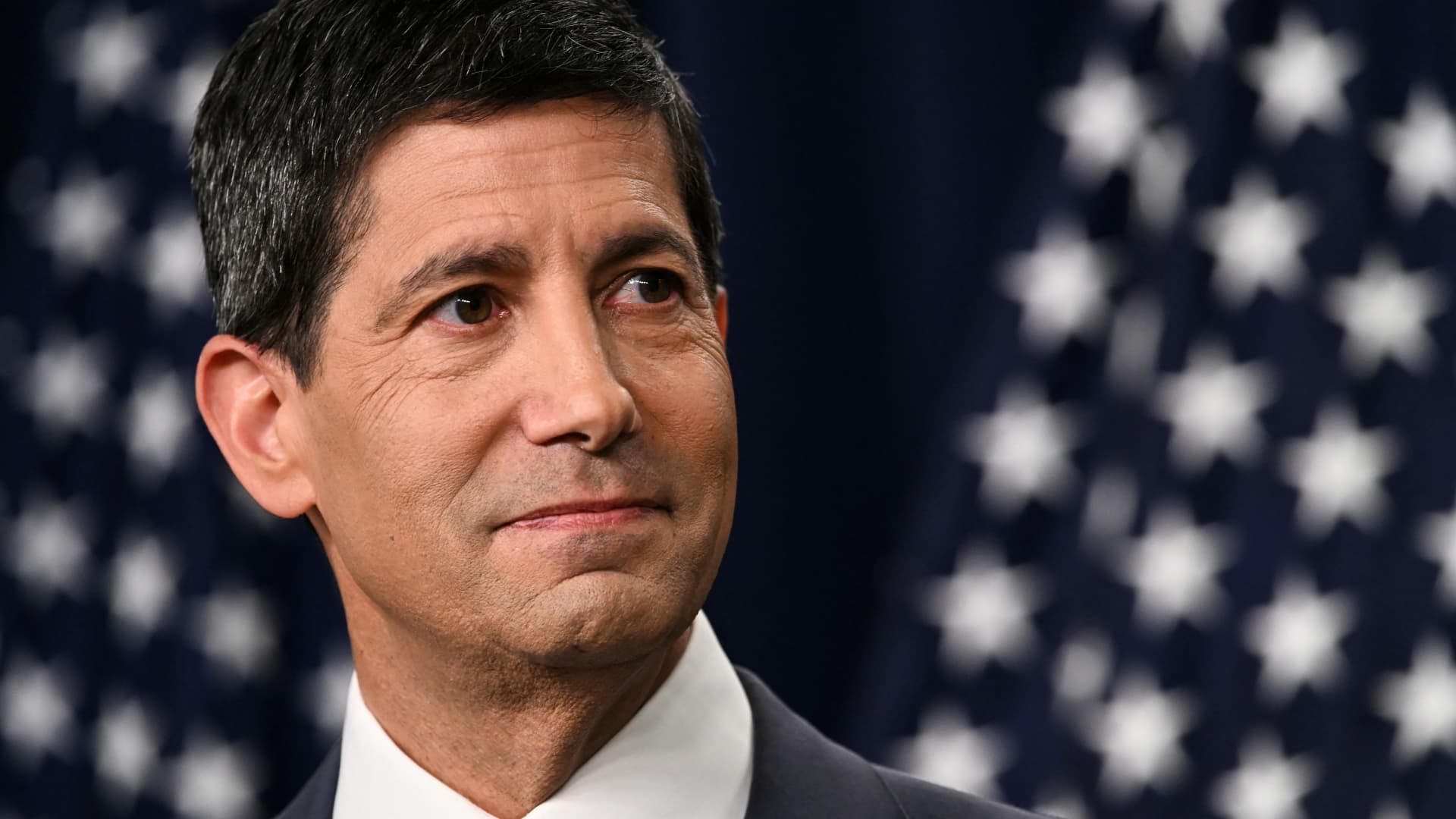
Fewer Fed meetings are under discussion after Federal Reserve Chair Kevin Warsh floated reducing the current schedule of eight annual rate-setting gatherings, according to CNBC. No change has been adopted, but the possibility matters to investors because it could reduce the number of predictable dates for interest-rate decisions and official policy signals.
CNBC reported that the idea remains largely hypothetical, citing a Fed source. Minneapolis Fed President Neel Kashkari said he is open to reconsidering the calendar without backing a particular number of meetings. Philadelphia Fed President Anna Paulson likewise said it was healthy to discuss the matter.
Why could fewer Fed meetings raise market volatility?
The Federal Open Market Committee, or FOMC, sets the Fed's benchmark interest-rate target. Eight scheduled meetings give investors regular opportunities to hear how officials assess inflation, employment and the economy. A smaller schedule could leave longer gaps between routine decisions, forcing markets to form expectations with less direct guidance from policymakers.
George Catrambone, DWS Group's head of fixed income for the Americas, told CNBC that less transparency could increase volatility because investors may need to hedge against a broader range of possible outcomes. Hedging is an effort to limit potential losses if markets move against a portfolio. Dario Perkins, global head of macroeconomics at TS Lombard, separately warned in a note cited by CNBC that a less communicative Fed could lead to more frequent market repricing.
Those are forecasts from market observers, not an established outcome. Bill English, a former Fed monetary-affairs chief and Yale professor, told CNBC that there is no inherently correct number of meetings. He said that too few meetings, however, could prevent policymakers from responding promptly to economic changes. English said he had previously favored six meetings, provided each included a news conference and updated economic projections, though he views eight as close to appropriate.
What Warsh has changed, and what remains undecided
Warsh's reported meeting-calendar discussion fits a broader effort to reduce the Fed's direct influence on day-to-day market pricing. CNBC reported that since taking office in May, he has cut back on forward guidance, meaning official clues about the likely direction of future rate moves, and shortened the statements released after meetings.
At a recent news conference, Warsh said investors should respond to economic data rather than to Fed messaging, CNBC reported. The outlet also reported that he has criticized the FOMC's rate-expectation "dot plot" and did not submit his own forecast when officials updated it in June.
The current eight-meeting calendar dates to the early 1980s, after the Fed had generally met almost monthly, CNBC reported. The central bank can call an unscheduled meeting, though Kashkari said such an emergency step would itself send a strong signal of concern.
What has the market done so far?
CNBC reported that the Dow Jones Industrial Average had gained about 3,500 points, or 7%, since Warsh took office on May 22. The two-year and 10-year Treasury yields had each risen by roughly 8 basis points, or 0.08 percentage points. Those moves do not establish how markets would react to a revised meeting calendar.
- Known: The FOMC currently has eight scheduled policy meetings a year, and senior Fed officials have indicated a willingness to debate the schedule.
- Unknown: Whether the FOMC will make a change, how many meetings it would hold, when any revision would begin, and how stocks or bonds would respond.
This story draws on original reporting from CNBC.