FIFA private equity plan draws UEFA and Concacaf opposition
FIFA wants outside investors in a World Cup commercial unit, but UEFA and Concacaf say the proposal gives private capital too much influence.
By Dev Ramirez · Crypto Correspondent
· 4 min read
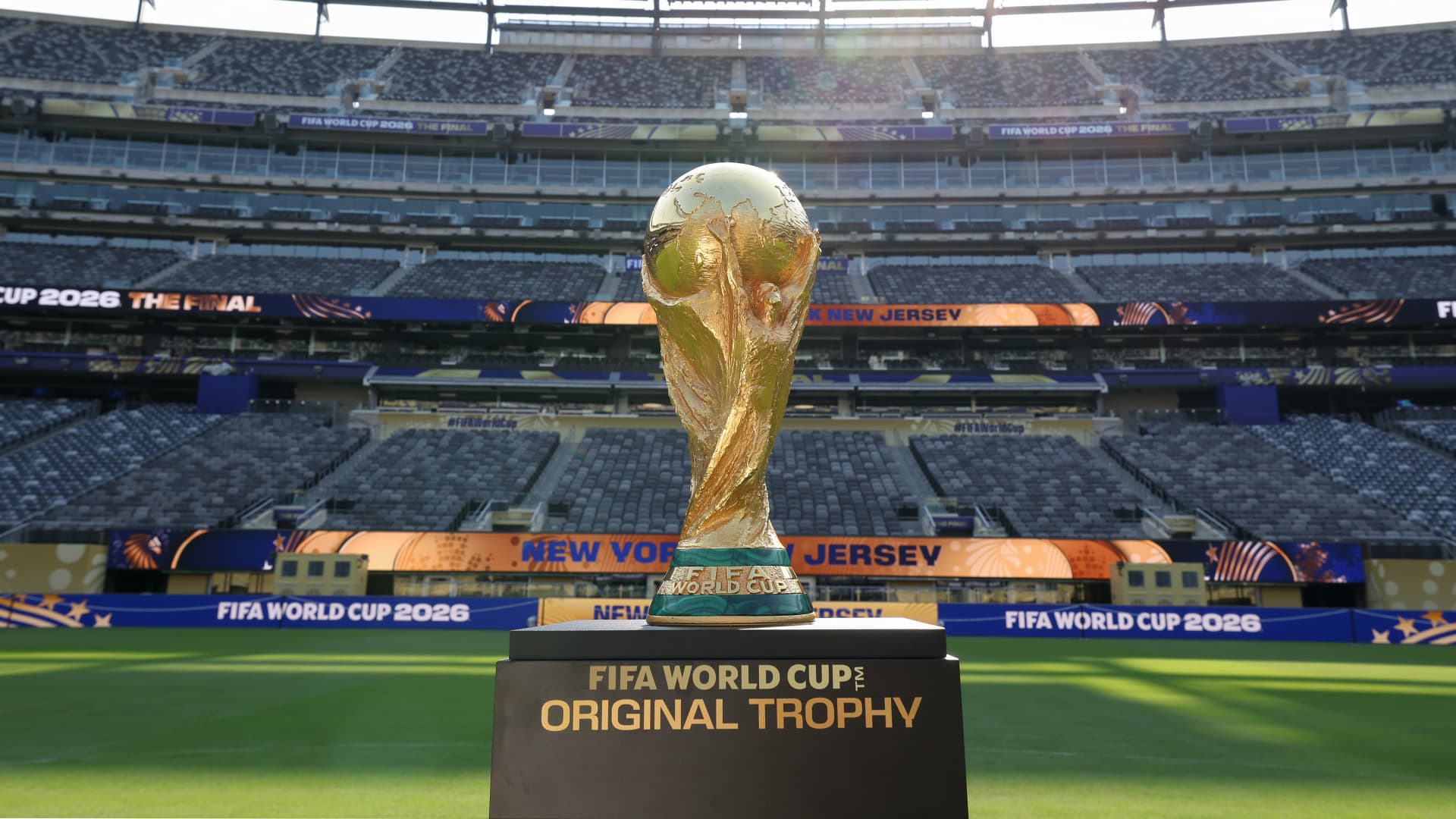
FIFA’s private equity plan has run into organized resistance from two of global soccer’s most powerful regional bodies. For everyday investors, the fight is a live example of how far private capital can push into sports before fans, leagues and governing bodies say the asset is too important to financialize.
FIFA said earlier this week that it wants to raise $4.2 billion from third parties by selling a 20% stake in a new unit called FIFA Forward Enterprises, according to CNBC. The proposed deal would value the venture at about $20 billion and place the World Cup’s commercial operations inside the subsidiary.
Thrive Capital, the investment firm led by Joshua Kushner, has already supported the proposal, CNBC reported. Private equity means investment capital, often from funds, that buys stakes in companies or assets with the goal of increasing their value over time.
What is FIFA’s private equity plan?
The plan would create FIFA Forward Enterprises as a separate vehicle for the business side of the World Cup, then bring in outside investors for a minority stake. FIFA has said the proposal is subject to consultation and a vote by its member associations.
UEFA, which governs European soccer, and Concacaf, which oversees soccer in North America, have both rejected the plan. Together, the two organizations represent 96 of FIFA’s 211 member associations, CNBC reported.
UEFA escalated its opposition Thursday by threatening to boycott FIFA competitions and the World Cup if the proposal proceeds, according to CNBC. In a statement, UEFA said, “The World Cup cannot be treated as an investment product,” and added, “The World Cup is not for sale.”
FIFA pushed back late Thursday, saying it would continue with the consultation and voting process. The organization said it respected public feedback but added that “no single entity can claim to represent all 211 member associations around the world.”
FIFA also blamed “incorrect media reports” for the backlash. It said that if a majority of member associations does not support the proposal, its commercial activities will remain as they are and FIFA Forward Enterprises will not go ahead.
Why are soccer officials objecting?
The main concern is influence. A minority investor may not control day-to-day decisions, but any outside capital brings a new financial incentive: making the investment worth more.
UEFA said that pressure is enough to change the character of the competition. “Football’s future cannot be dictated by the expectations of those whose first duty is to maximise financial return,” the organization said. FIFA rejected the idea that it is selling the sport, saying, “Nobody is selling football.”
The dispute has also reached FIFA’s own circle. Carlos Cordeiro, a senior adviser to FIFA President Gianni Infantino, resigned immediately in protest, according to a statement he posted on LinkedIn. Cordeiro said he had no role in the proposal and called it “a bad deal for FIFA’s Member Associations, a bad deal for football, and a bad deal for the long-term future of the game.”
How does this fit into private equity’s sports push?
Private capital has been moving deeper into sports because teams and leagues can offer durable media rights, live-event demand and brand value. CNBC reported that investors also see sports as partly insulated from artificial intelligence disruption because fans still show up for live competition.
U.S. leagues have already opened the door, with limits. The NFL began allowing selected private equity firms to buy up to 10% of teams in 2024, CNBC reported. MLB permits one fund to own as much as 15% of a club, with total private equity ownership capped at 30%. The NBA and NHL also cap total private equity ownership at 30%, while allowing a single fund to own up to 20%.
College sports could become another target, CNBC reported, though direct investment in teams has not yet happened, in part because schools remain cautious about the consequences of private money. FIFA’s standoff shows the same tension at global scale: sports assets can look attractive to investors, but control, trust and tradition still carry weight.
This story draws on original reporting from CNBC.


