Galderma says weight-loss drugs are lifting aesthetics demand
CEO Flemming Ørnskov told CNBC that rising GLP-1 use is feeding growth in Galderma’s fillers, wrinkle treatments and collagen products.
By Maya Okafor · Markets Writer
· 3 min read
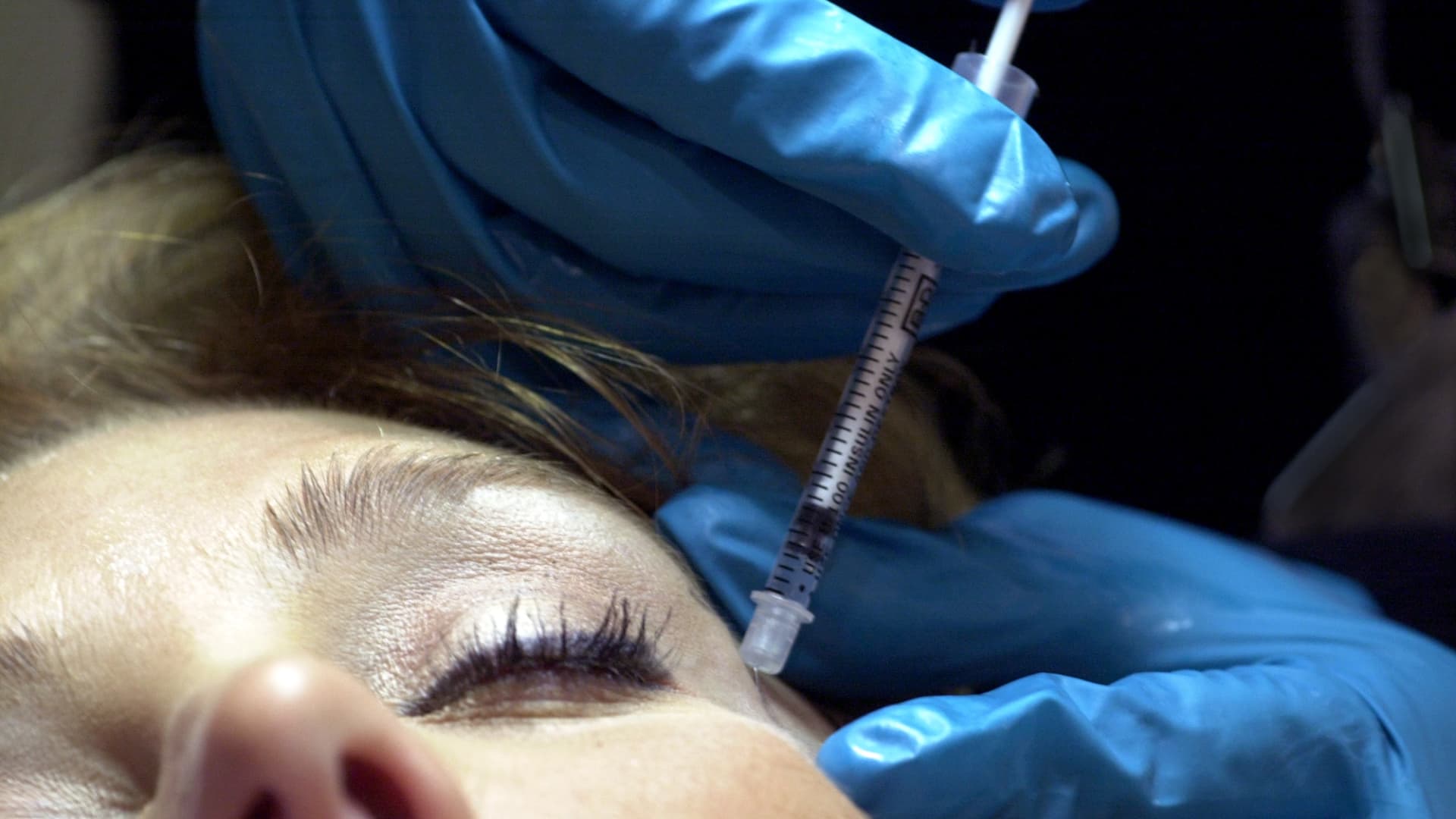
Galderma says the rise of GLP-1 weight-loss drugs is starting to help its aesthetics business. For retail investors, the takeaway is that the weight-loss drug boom is creating second-order demand beyond drugmakers themselves, including for companies that sell cosmetic treatments.
CEO Flemming Ørnskov told CNBC on Thursday that more patients using GLP-1 medicines such as Ozempic, Wegovy and Zepbound are contributing to strong growth in Galderma’s aesthetics portfolio. GLP-1 drugs are medicines that mimic a gut hormone involved in appetite and blood sugar regulation, and they have become a major growth area in obesity treatment.
The link, according to Ørnskov, is facial volume loss after significant weight reduction. Rapid or meaningful weight loss can leave some patients with sagging or hollow-looking facial features, a trend often called “Ozempic face.” Galderma sells aesthetic products including botulinum toxin treatments, commonly referred to as botox, facial fillers and collagen stimulators.
Ørnskov told CNBC’s “Europe Early Edition” that Galderma had shown that using two of its products, including a filler and a collagen-stimulating treatment, could help reduce some facial sagging seen after major weight loss. He described the GLP-1 trend as a significant opportunity for the company, while saying it remains early.
Why GLP-1 growth matters for Galderma
Demand for weight-loss drugs has expanded quickly in the U.S., which is also Galderma’s most important market for this trend. Gallup has reported that about one in 10 U.S. adults say they are taking GLP-1 drugs for weight loss.
That matters because a larger patient base may mean more people looking for treatments tied to changes in appearance after weight loss. Fillers are used to add volume under the skin, while collagen stimulators are designed to encourage collagen production, a process tied to skin structure and firmness. Anti-wrinkle injections work differently, relaxing targeted muscles to reduce the appearance of lines.
Galderma’s latest figures show the company is already growing quickly. The Swiss-listed company reported nearly 25% year-over-year sales growth at constant currencies, a measure that strips out the effect of exchange-rate swings so investors can see underlying sales trends more clearly.
U.S. growth was stronger than the rest of the business. Galderma said sales in the U.S. rose 32%, compared with 19% growth in the rest of the world. CNBC reported that the U.S. is by far the largest market for GLP-1 drugs.
The stock did not make a big move after the update. CNBC reported that Galderma shares were little changed in mid-morning trading.
For investors, Galderma’s comments show how the GLP-1 boom may spread across health care and consumer-facing medical services. The company is not selling the weight-loss drugs themselves, but management says the changes those drugs can create for patients are opening a new demand channel for its aesthetics products.
This story draws on original reporting from CNBC.


