Gen X retirement portfolios face dotcom-era timing risk
Advisers warn Gen X investors nearing retirement face timing risk as S&P 500 gains, AI concentration and thin pensions collide.
By Maya Okafor · Markets Writer
· 3 min read
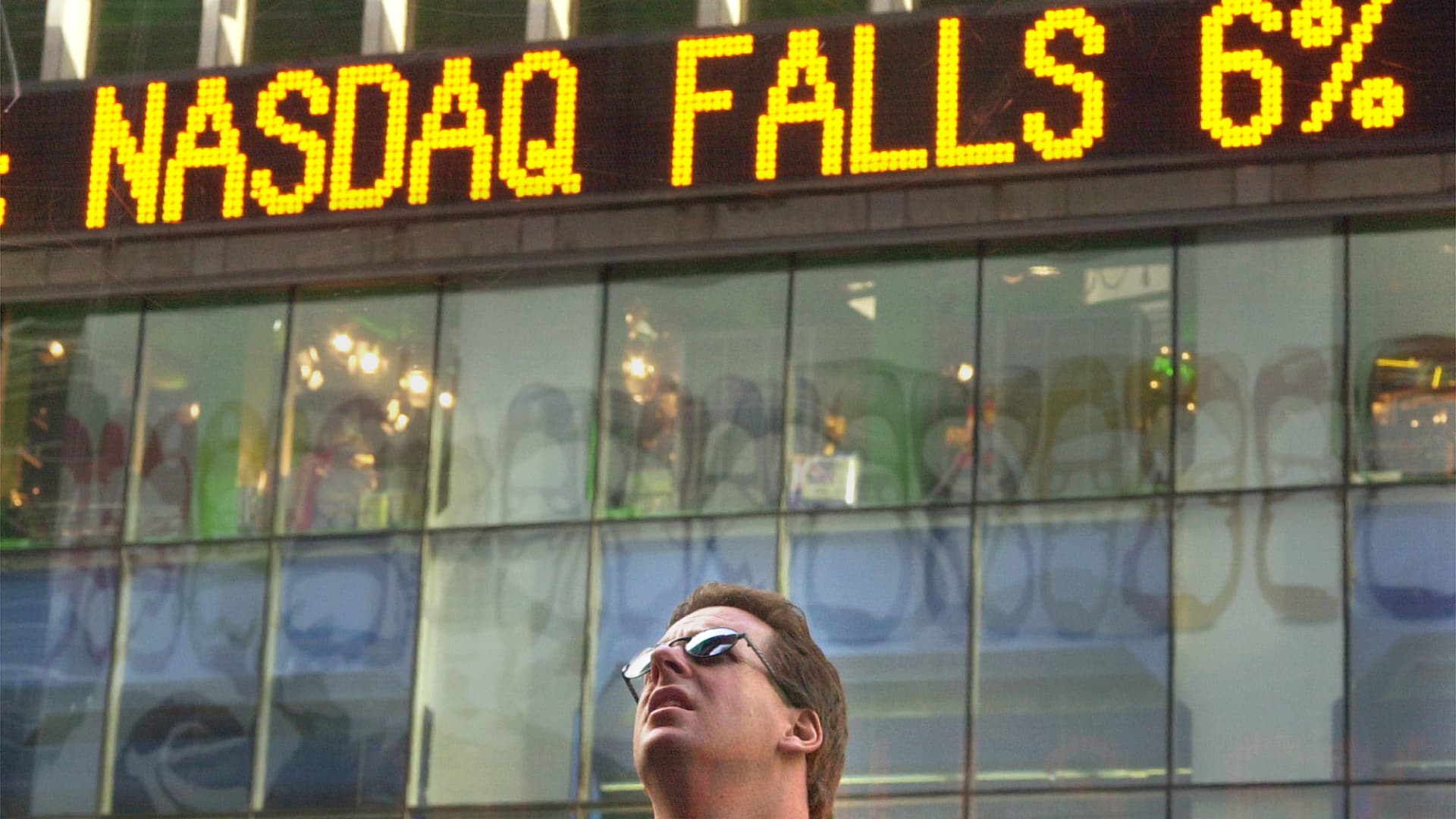
Gen X retirement portfolio risk is getting harder to ignore as investors born between 1965 and 1980 move closer to leaving work. For everyday investors, the issue is timing: a market drop hurts more when someone has to start withdrawing money instead of waiting for a recovery.
Gen X is also carrying a different retirement setup than many baby boomers. Research from Alliance’s Retirement Income Institute found that 14% of Gen X workers have a traditional pension, compared with 56% of boomers. The institute’s authors said Gen X is less prepared for retirement than other generations by many measures.
That makes the next 10 to 15 working years especially important for people now in their early 50s to mid-50s. Those years can still add savings to 401(k) plans and IRAs, but they also keep investors exposed to the possibility of a poorly timed downturn.
What is sequence-of-returns risk?
Sequence-of-returns risk is the danger that investment losses arrive early in retirement, when withdrawals are beginning. If an investor sells shares after a sharp decline to cover living expenses, those shares are no longer in the account to benefit if the market later rebounds.
Ernie Cave, a certified financial planner and founder of Cave Wealth Management, said market recoveries have happened historically, but retirees cannot control how long they take. He said the S&P 500 can still be a strong long-term holding, while warning that money needed in the first several retirement years may need a different role than money meant to compound for decades.
The dotcom era shows why timing can matter. Amazon shares bought near their 1999 peak took about a decade to regain that level, according to the historical example cited by advisers. The S&P 500 bottomed in October 2002 after the dotcom bust and did not reach a new high until 2007. That high was then erased during the Great Recession, and the index did not clear its old 2007 peak again until March 2013, after bottoming in March 2009.
How are advisers thinking about S&P 500 exposure?
Cave said he often sees near-retirees with portfolios heavily tied to an S&P 500 fund because the index has performed well over the past decade. His approach separates near-term spending from long-term growth, with about two years of expected portfolio distributions in cash or very short-term investments and about five years of expected withdrawals covered by cash, Treasurys, CDs and high-quality bonds.
Other advisers described gradual risk changes rather than abrupt moves at retirement. Elias Friedman, a certified financial planner and founder at Kadima Wealth, said a glide path shifts a portfolio over time from stocks toward bonds as retirement approaches. He also pointed to a bond tent, which temporarily raises bond exposure around the years just before and after retirement, as another way to reduce the need to sell stocks after a decline.
Friedman said investors can use bond or CD ladders, or short- to intermediate-term securities, while making changes in stages and rebalancing over time. A ladder means holding bonds or CDs that mature on different dates, which can create periodic access to cash.
Some advisers are also focused on concentration inside index funds. Asher Rogovy, chief investment officer of registered investment adviser Magnifina, said an estimated 40% to 50% of the S&P 500’s market value is tied to companies connected to artificial intelligence. He said the dotcom bubble also featured high index concentration and argued that equal-weighted S&P 500 exposure would have reduced some of that past damage.
Mike Dunlop, a certified financial planner and co-founder of Ignite Planning in Cedar Falls, Iowa, said seven companies now represent more than 30% of the S&P 500. For investors around ages 50 to 55, he said the core danger is a market decline arriving just as withdrawals begin. His firm has shifted some client assets from core S&P 500 or total-market index funds into large-cap value funds, according to his comments.
This story draws on original reporting from CNBC.