Generic drug tariffs would raise U.S. prices, Dr. Reddy’s CEO says
Dr. Reddy’s CEO Erez Israeli told CNBC Trump’s planned generic drug tariffs would likely flow through to U.S. patients.
By Dev Ramirez · Crypto Correspondent
· 3 min read
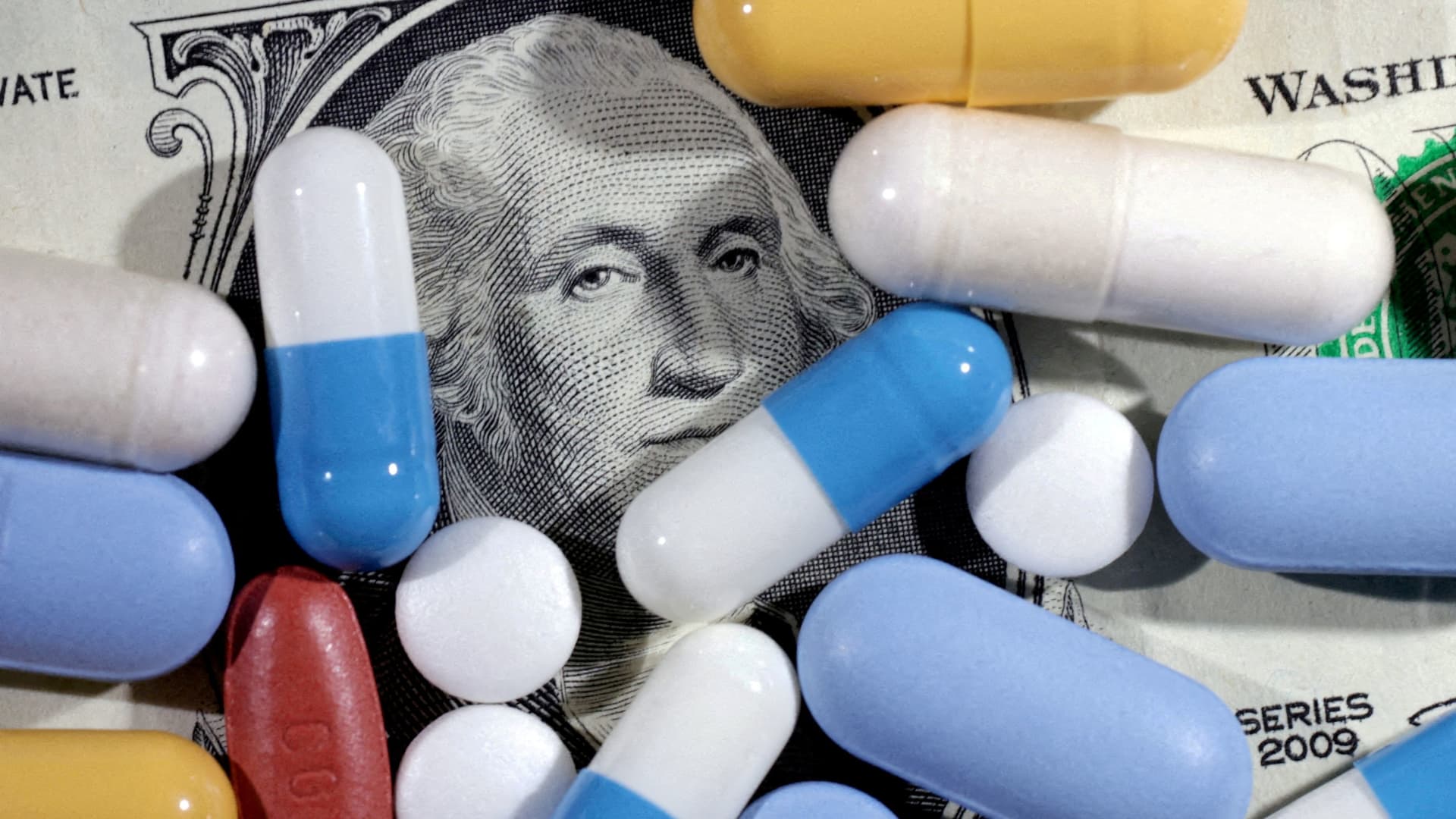
Generic drug tariffs planned by President Donald Trump would push up what U.S. patients pay for many common medicines, Dr. Reddy’s Laboratories CEO Erez Israeli told CNBC’s “Inside India” on Thursday. For investors, the warning puts a direct price tag on a trade policy aimed at moving drug production back to the U.S.
Trump said Tuesday that imported generic drugs will have no tariffs for two years starting Aug. 1, according to CNBC. After that pause, a 100% tariff is set to begin in August 2028, followed by a rise to 200% one year later.
Generic medicines are lower-cost versions of branded drugs whose patents have expired. They account for more than 90% of prescriptions in the U.S., CNBC reported, so a tariff on imports would touch a large part of the everyday medicine market.
How would generic drug tariffs affect U.S. medicine prices?
Israeli said generic drugs are a low-margin business, meaning companies have limited room to absorb extra costs without changing prices. He told CNBC that a tariff at the proposed level “cannot be absorbed” by Dr. Reddy’s and would lead to price increases “in the magnitude of the tariff.”
The same pressure is being flagged elsewhere in India’s drug industry. Namit Joshi, chair of the Pharmaceuticals Export Promotion Council of India, told ANI on Wednesday that companies are operating on “a very thin margin.”
India is central to the U.S. generic drug supply chain. Indian companies provide nearly half of generic medicines supplied to the U.S., according to data shared by the Indian Pharmaceutical Alliance, a lobby group cited by CNBC.
Israeli said manufacturing in India has helped lower medicine costs for the U.S. He told CNBC that operations by Dr. Reddy’s and other companies in India have allowed “a significant decrease in the cost of medicine to the United States.”
Why drugmakers may not quickly move production to the U.S.
The Trump administration’s tariff plan is intended to bring more generic medicine manufacturing into the U.S., CNBC reported. Israeli said the two-year tariff-free period may not give companies enough time to shift production, estimating that moving Dr. Reddy’s generic drug portfolio to the U.S. could take four to seven years.
He also questioned the economics of producing low-margin generic drugs in the U.S., where costs are higher than in India. Global brokerage Nomura reached a similar view in a Wednesday report cited by CNBC, saying Indian companies are unlikely to move generic production to the U.S. because of “low economic viability.”
Nomura also said the tariffs could give manufacturers room to raise prices and improve profits, according to CNBC. That would make the policy a cost issue for patients and insurers while also creating a pricing question for drugmakers that have spent years competing in a low-margin market.
For Dr. Reddy’s, the U.S. generic business has become a smaller share of the company. Israeli told CNBC that generic drug sales to the U.S. now make up 27% of total sales, down from 50% a few years ago, and that the figure is expected to fall below 25% this year as other parts of the company grow faster.
This story draws on original reporting from CNBC.


