Hormuz ship traffic falls as renewed U.S.-Iran fighting hits oil route
Shipping data show fewer vessels crossing the Strait of Hormuz after a U.S. blockade and renewed strikes raised risks for energy transport.
By Dev Ramirez · Crypto Correspondent
· 3 min read
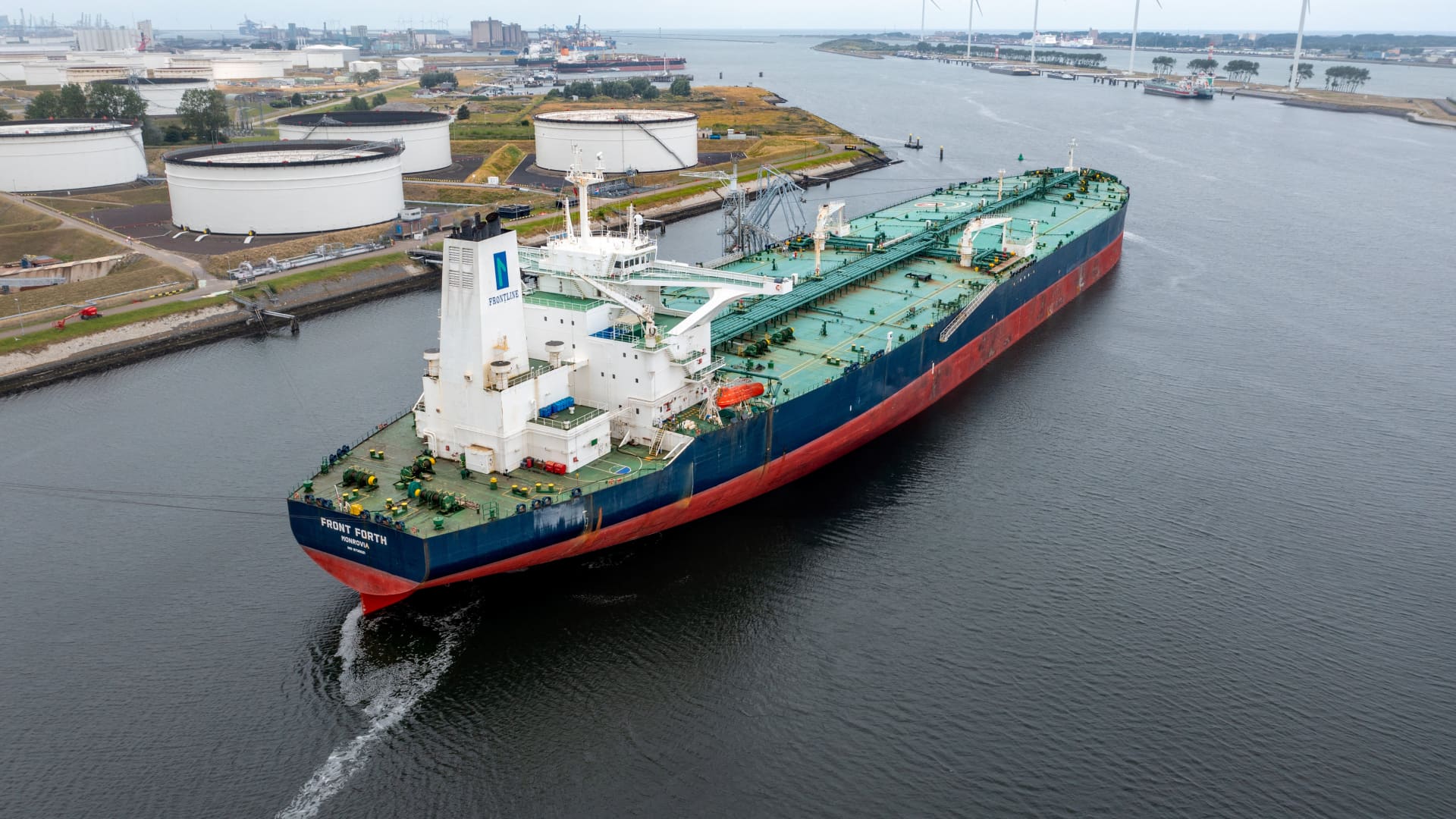
Ship traffic through the Strait of Hormuz has dropped sharply after President Donald Trump’s blockade took effect last week, according to shipping data cited by CNBC. For everyday investors, the slowdown matters because the narrow waterway carries about one-fifth of global oil consumption, so disruptions can feed into crude prices, fuel costs and energy stocks.
The Strait of Hormuz connects the Persian Gulf with open sea routes used by tankers carrying crude oil and liquefied natural gas, or LNG, a chilled form of natural gas shipped by sea. When shipowners see higher military or legal risk in the area, some delay trips, reroute where possible or wait for safer windows, reducing the flow of vessels through the corridor.
Lloyd’s List Intelligence recorded 53 vessel transits in the week through July 20, down from 157 a week earlier. That is a 66% decline. Movements by tankers and gas carriers, the vessels that move most Gulf crude and LNG, fell to 30 crossings from 90, according to Lloyd’s List Intelligence.
Kpler data showed a similar slide after the blockade began. Daily crossings had averaged more than 20 vessels before July 15, according to Kpler. They fell to 16 on July 15, dropped to single digits on July 16 and stayed weak for the rest of the week, with only occasional rebounds.
The decline marks a reversal from the gradual return of some Gulf voyages after a mid-June ceasefire. CNBC reported that renewed U.S. strikes on Iran, Tehran’s declaration of a blanket ban on maritime traffic and fresh attacks on commercial ships pushed operators to reassess the risks of entering the Gulf.
Bridget Diakun, senior risk and compliance analyst at Lloyd’s List Intelligence, told CNBC that “things have slowed down significantly since tensions reignited.” She said the pullback was expected as companies reviewed the risk, while adding that traffic had not stopped completely.
“Every single person has a different risk appetite,” Diakun said, according to CNBC. “We’re still seeing tankers crossing in and out, it hasn’t ground to a complete halt.”
Diakun said vessel movements may keep coming in “ebbs and flows,” with shipowners using short periods they view as safer before withdrawing again if tensions rise.
S&P Global data also pointed to lower traffic. The firm recorded 40 vessels crossing the strait between July 17 and July 19, equal to about 13 crossings a day. Weekly traffic through July 19 fell almost 50% from the prior week, according to S&P Global.
Commercial ships made up more than 70% of traffic during that period, S&P Global data showed. Only about one-third of those vessels were assessed as compliant with maritime restrictions. CNBC reported that Iran-linked and sanctioned vessels continued to account for many movements, suggesting larger international shipowners remained hesitant to return.
Saul Kavonic, head of energy research at MST Marquee, told CNBC by email that expectations for a fast reopening of the Strait had been premature. He said the renewed hostilities and blockade had pushed the conflict back toward escalation, and estimated that flows through Hormuz had fallen to around 15% of pre-war levels.
Kavonic said oil could test $100 a barrel if the current level of fighting lasts several weeks or if regional energy infrastructure is attacked. That remains a scenario, not a confirmed outcome, and depends on how the conflict and shipping risks develop.
This story draws on original reporting from CNBC.


