IEA oil demand forecast for 2026 cut to 1.6 million barrels a day
The IEA’s reported 2026 oil-demand outlook worsened as Hormuz disruptions, high fuel prices and constrained refining weigh on consumption.
By Dev Ramirez · Crypto Correspondent
· 3 min read
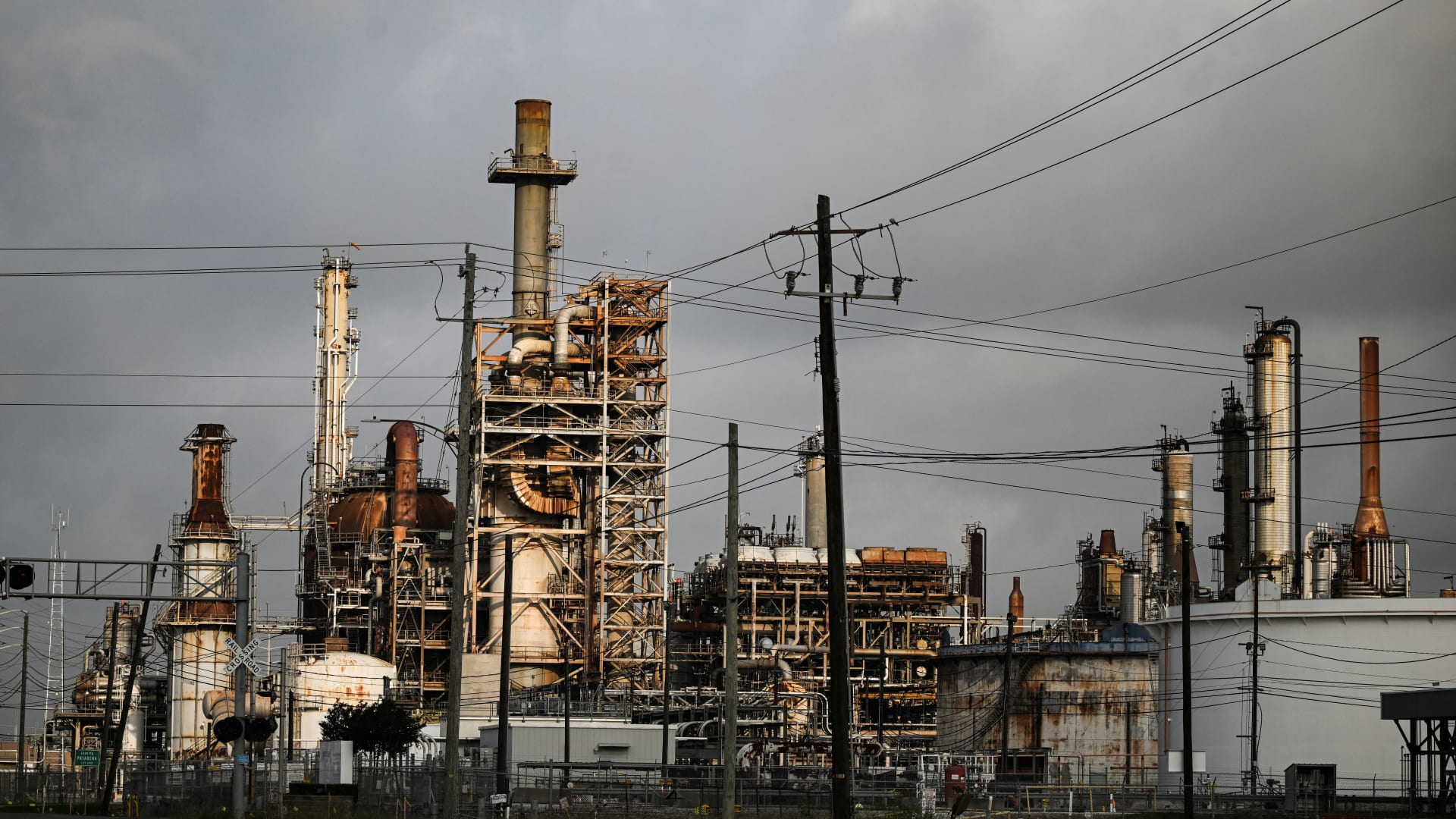
The IEA oil demand forecast 2026 has deteriorated again: the International Energy Agency now expects global consumption to fall by 1.6 million barrels a day this year, CNBC reported Aug. 12. For investors and consumers, the revision points to an energy shock that is reducing fuel use while leaving key refined products under pressure.
CNBC said the new estimate is 510,000 barrels a day below the IEA’s July forecast. The agency expects high fuel prices to keep weighing on consumption, although it anticipates demand will improve as the year progresses and return to year-over-year growth in the fourth quarter.
The forecast is a measure of demand, meaning how much oil the world is expected to consume. It is separate from the supply disruption caused by restricted shipping and attacks on energy infrastructure around the Strait of Hormuz, though those disruptions have helped raise costs and limit product availability.
Why did the IEA cut its 2026 oil demand forecast?
The IEA has linked the weaker outlook to the effects of disrupted trade flows, constrained refining and higher prices. Its August warning, as reported by CNBC, came as an agreement to reopen the Strait of Hormuz had yet to emerge.
The waterway matters because interruptions to oil and gas flows through it, along with attacks on regional energy infrastructure, have implications for energy security, affordability and the world economy, according to the IEA. The agency says that fully restoring flows through Hormuz is the most important factor in easing pressure on supplies, prices and the broader economy.
Refining is the step that turns crude oil into usable products such as diesel, jet fuel and LPG. The IEA says nearly 3 million barrels a day of refining capacity in the Gulf region has been shut because of attacks and a lack of viable export outlets. It said diesel, jet fuel and LPG prices have remained elevated, while end users have cut consumption in response to higher prices.
How the IEA outlook has changed
The forecast has shifted repeatedly as the disruption has unfolded. In May, the IEA expected 2026 oil demand to contract by 420,000 barrels a day. Its June report put the annual decline at 1.1 million barrels a day, and its July report projected a 1 million-barrel-a-day fall. Those are successive estimates, not declines to be added together.
- May: a 420,000-barrel-a-day contraction, with petrochemicals and aviation among the sectors most affected.
- June: a 1.1 million-barrel-a-day contraction, as higher fuel prices and product shortages cut second-quarter deliveries.
- July: a 1 million-barrel-a-day contraction, with fourth-quarter demand expected to return to growth.
- August: CNBC reported a 1.6 million-barrel-a-day contraction, 510,000 barrels a day weaker than July’s estimate.
The oil market has not moved in a straight line. The IEA said crude flows recovered in June during an interim ceasefire, but refinery activity and exports of refined products recovered more slowly. In July, it said Gulf refined-product and LPG exports remained below half of pre-war levels, even as crude flows had reached nearly three-quarters of February rates. That gap helps explain why crude supplies can improve while diesel and gasoline markets remain tight.
The IEA also said earlier in the crisis that demand weakness helped ease market tightness. CNBC reported that a sharp fall in Chinese imports, alternative shipping routes and inventory drawdowns also helped prevent the immediate global oil shortage feared when the Strait was shut in March.
This story draws on original reporting from CNBC.