Institutional landlords list more homes as new buying ban begins
Parcl Labs says large rental-home owners have more than doubled their for-sale listings since Feb. 1, with $3.1 billion in asking value now on the market.
By Maya Okafor · Markets Writer
· 3 min read
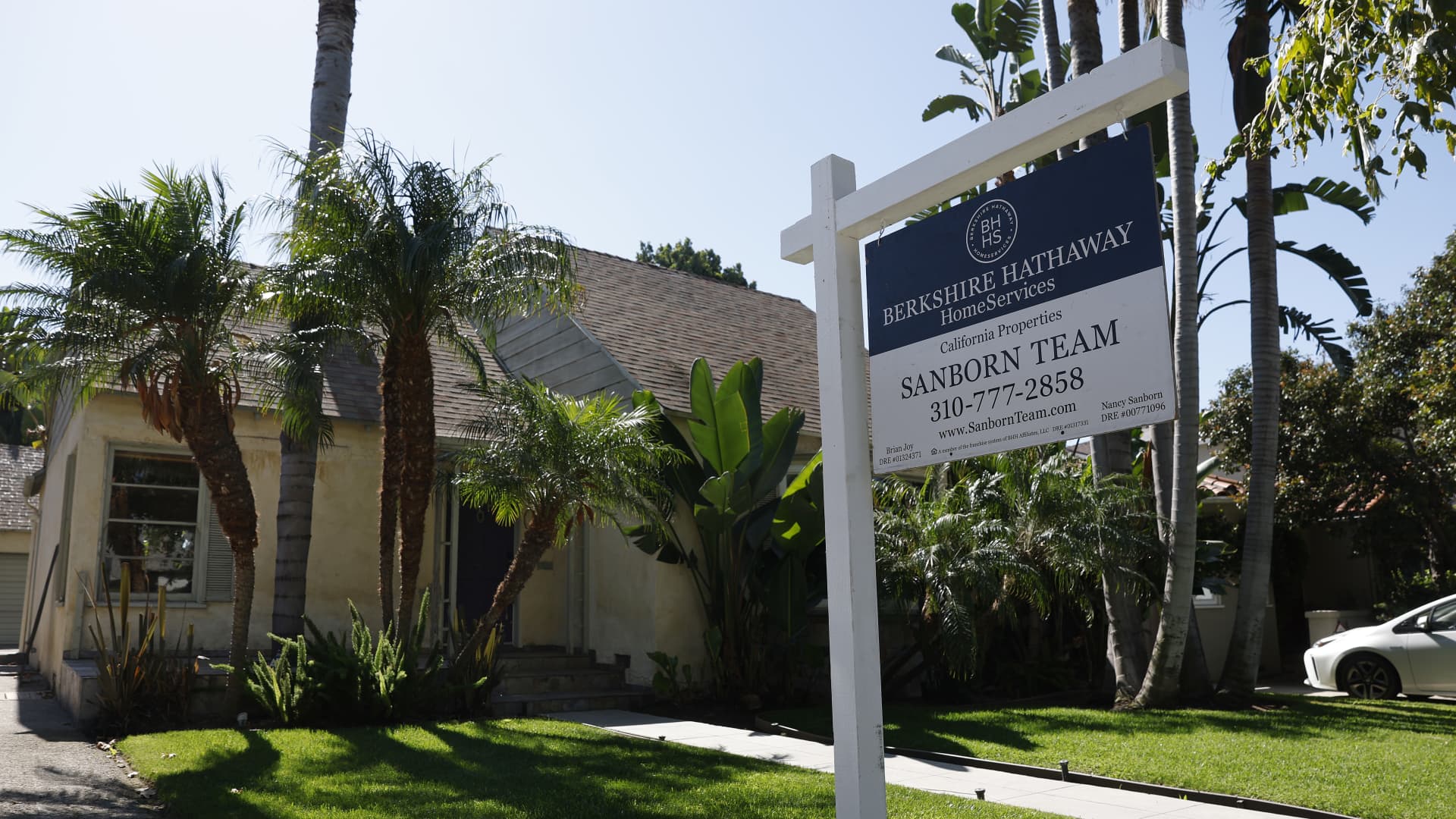
Large single-family rental landlords are putting more homes up for sale after new federal housing legislation blocked them from buying more of the same properties in most cases. For everyday investors, the shift matters because it changes how public rental-home companies and private landlords can grow, recycle capital and compete for houses.
Homes owned by institutional investors and listed for sale rose to 9,447 in July from 4,166 on Feb. 1, according to an analysis by real estate data firm Parcl Labs cited by CNBC. Those listings carry a combined asking price of $3.1 billion, Parcl said.
Under the legislation, an institutional investor is defined as an owner of 350 or more homes, CNBC reported. That threshold was lower than the 1,000-home line commonly used by the industry. The law does not require these landlords to sell homes they already own, but it bars additional purchases unless an exception applies, including build-to-rent, which means homes constructed specifically to be rented rather than sold to individual buyers.
Lawmakers backing the ban argued that large investors, often able to pay cash, were pushing up prices and making it harder for owner-occupants to buy, according to CNBC. Support for the ban came from both parties.
Parcl Labs co-founder Jason Lewris told CNBC that the pace of new for-sale listings is the number to watch. “These numbers won’t materialize into actual dispositions for months given how long the sales cycle can be, but it’s the fastest read into institutional behavior,” Lewris said.
Parcl estimates that investors with at least 350 homes own about 589,000 houses, or 3.9% of the roughly 14 million single-family rental homes in the U.S. The group accounts for about 40% of net selling this year, according to the firm.
The largest landlords tracked by Parcl, including Progress Residential, Invitation Homes, AMH, Tricon, FirstKey, Amherst and VineBrook, have all sold more homes than they bought since Jan. 1, CNBC reported. Together, they have sold 3,180 more homes than they purchased this year, while still owning about 400,000 homes.
VineBrook stands out among the group. CNBC reported that it has close to 10% of its portfolio on the market, equal to about 1,900 homes with $285 million in total asking value. Publicly traded rental-home real estate investment trusts, or REITs, also have homes listed: Invitation Homes has 549 for sale and AMH has 536, according to Parcl. Progress Residential, the largest landlord in the group, has 143 listed.
Stephen Scherr, co-president of Pretium, the parent company of Progress Residential, told CNBC’s “Squawk on the Street” that policymakers now recognize private capital has a role in serving renters who want single-family homes. Scherr said Progress is focusing on areas still allowed by the law, including build-to-rent, rent-to-renovate and programs that help renters move into ownership.
Build-to-rent has become a larger part of the single-family rental business. AMH says it has developed more than 14,000 rental homes across 180 communities since starting its own construction program in 2017. Invitation Homes bought Atlanta-based builder ResiBuilt at the start of the year, CNBC reported.
Sellers are also cutting prices more often than the broader market. Parcl Labs said 54% of institutional single-family rental listings have price cuts, compared with 38.7% of all homes listed nationally. Since early May, the average markdown in the institutional cohort has widened from about 3.1% to 4% of asking value, according to Parcl.
Lewris said some landlords appear to be using high home values to sell weaker assets and shift capital toward growth areas such as build-to-rent. He told CNBC that the next six to eight weeks should give a clearer read on how much of the current listing activity turns into completed sales.
This story draws on original reporting from CNBC.