Iran Hormuz talks include Saudi Arabia and Oman as Trump cites progress
Iran said it held Hormuz calls with Saudi and Omani officials while Trump praised talks, but Tehran denied direct U.S. negotiations.
By Maya Okafor · Markets Writer
· 3 min read
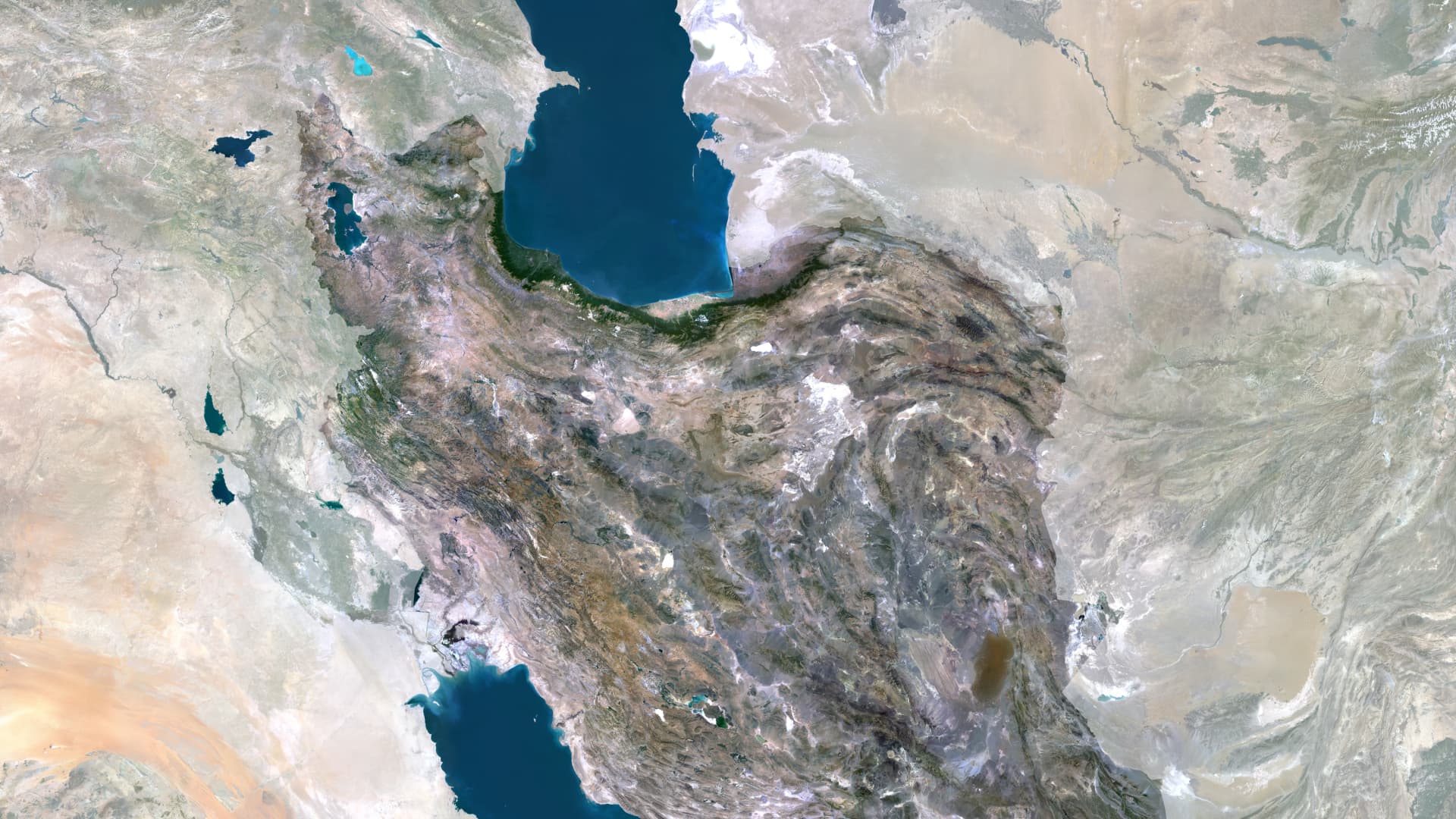
Iran Hormuz talks with Saudi Arabia and Oman are drawing investor attention because the waterway sits at the center of oil-market risk. Iran’s Foreign Ministry said Tuesday that Foreign Minister Seyyed Abbas Araqchi held separate calls with Saudi Foreign Minister Faisal bin Farhan and Omani Foreign Minister Badr Al-Busaidi as a pause in U.S.-Iran fighting appeared to hold.
The ministry said the calls covered bilateral and regional developments and focused on cooperation aimed at calming the region. In a Telegram statement translated by Google, the ministry said the discussions stressed joint diplomacy to bring stability and address insecurity around the Strait of Hormuz, which it blamed on U.S. actions.
The diplomacy comes after two weeks of strikes between the United States and Iran paused on Friday. For markets, the key issue is whether that pause can reduce the risk of disruption in oil shipping. Stocks rallied and oil prices fell Monday as traders reacted to the possibility that the conflict could ease, according to CNBC.
What is happening in the Strait of Hormuz?
The Strait of Hormuz is a strategically important maritime passage linked to global oil flows. When fighting or threats raise the chance that ships could be delayed, attacked or blocked, oil traders often price in supply risk, which can feed into energy stocks, inflation expectations and fuel costs.
Iran’s outreach to Saudi Arabia and Oman points to regional diplomacy around that risk. Oman has often served as a channel for regional and U.S.-Iran messages, while Saudi Arabia’s oil facilities remain a major concern whenever violence spreads near Gulf energy infrastructure.
Military activity has not fully stopped across the region. Saudi Arabia said overnight that it intercepted a number of drones that it alleged were launched by Iran-backed militias in Iraq and aimed at Saudi oil facilities. Reuters reported that the Iraqi militias had not taken responsibility, while Yemen’s Houthis said they had attacked Saudi oil facilities, leaving responsibility unclear.
Jordan’s army also said it shot down a drone in its airspace overnight. Those incidents show why markets are watching more than the formal pause between Washington and Tehran: a wider set of regional actors can still affect shipping lanes and energy assets.
Are the U.S. and Iran holding direct talks?
President Donald Trump said late Monday that there had been “good talks” with Iran. Iran’s Foreign Ministry denied that direct negotiations with the United States are happening, but indicated that messages are being passed through intermediaries.
Trump also told reporters on Air Force One that U.S. strikes would restart if talks do not produce progress. At a campaign rally in Michigan, he said, “You can’t bribe them. You’ve got to beat them, and we’ll beat the hell out of them. But we’ll see how it turns out. Right now, there are very friendly negotiations going on.”
For retail investors, the near-term market read is straightforward: lower perceived war risk tends to ease pressure on oil prices, while renewed strikes or shipping threats can quickly reverse that move. The confirmed facts remain mixed, with regional calls underway, indirect U.S.-Iran messaging acknowledged by Tehran, and military incidents still being reported around the Gulf.
This story draws on original reporting from CNBC.


