Iran missile attack on U.S. forces intercepted, Centcom says
Centcom said Iran fired multiple ballistic missiles at U.S. forces, while crude jumped more than 4% as Middle East risks rose.
By Jordan Bell · Startups & Deals Reporter
· 3 min read
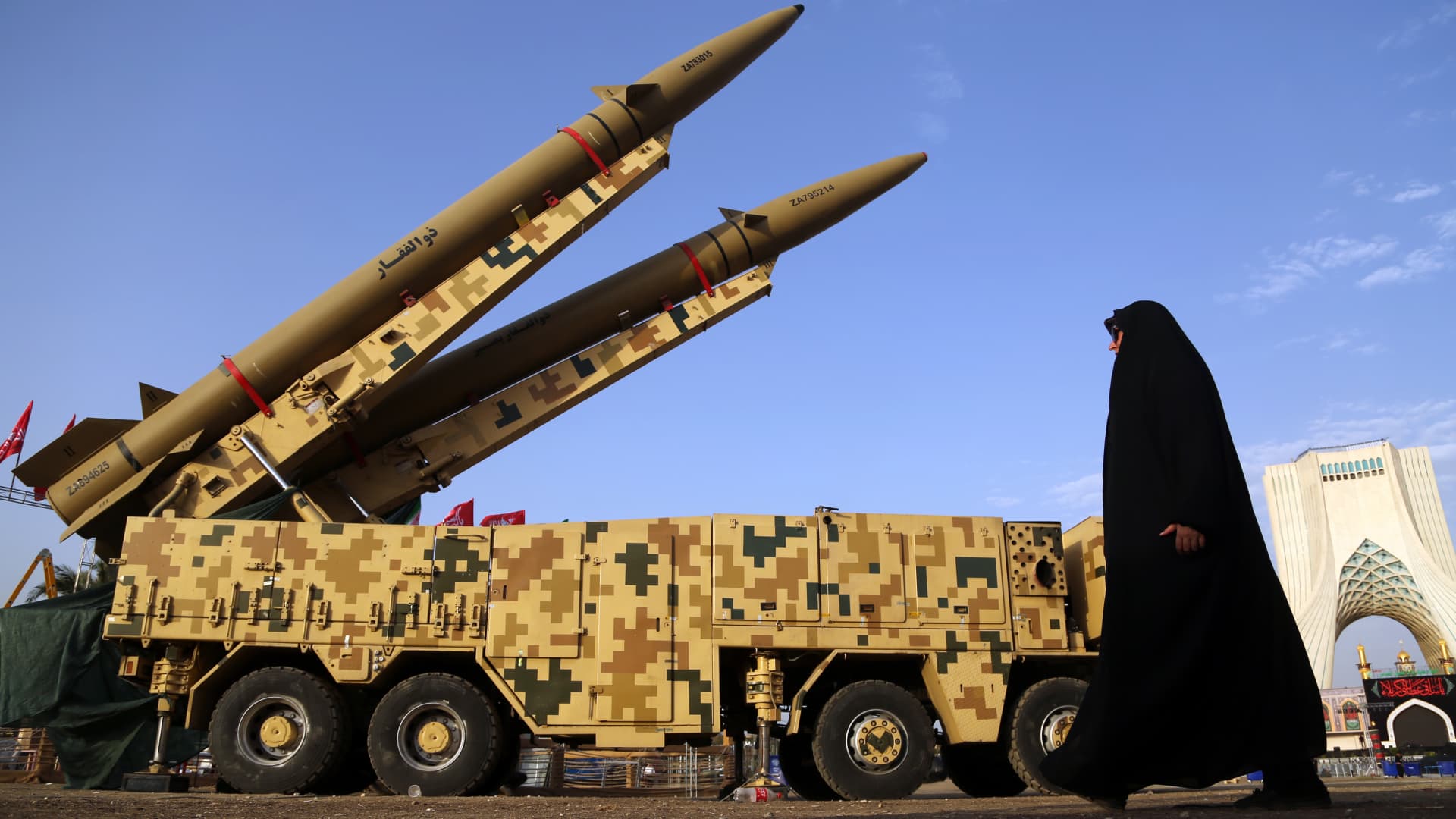
Iran missile attack us forces became the latest flashpoint for markets after U.S. Central Command said Iran fired multiple ballistic missiles at American forces in the Middle East late Tuesday U.S. time. Centcom said every missile was intercepted, but the attempted strike still pushed oil higher as investors weighed a fresh escalation in the region.
In a post on X, Centcom said Islamic Revolutionary Guard Corps forces launched the missiles from Iran in what it described as an attempted surprise attack on U.S. forces based in the Middle East. The U.S. military command did not identify the specific location that was targeted.
Axios reported that the missiles were aimed at a U.S. base in Jordan, citing U.S. officials. Centcom’s public statement did not confirm that detail.
The reported attack came after a short pause in hostilities in the region, according to CNBC. For retail investors, the first visible market reaction was in energy: U.S. crude futures rose more than 4% and traded at $82.5 a barrel after the news.
What happened in the Iran missile attack on U.S. forces?
Centcom said multiple ballistic missiles were launched from Iran by Islamic Revolutionary Guard Corps forces and that U.S. defenses intercepted all of them. A ballistic missile is a weapon that follows a high, arcing path after launch and can travel long distances before descending toward its target.
No casualty figures, damage reports or additional operational details were included in Centcom’s statement. The command also did not say which air-defense systems were used or where the interceptions took place.
Why oil prices reacted
Oil is often one of the first markets to move when military tensions rise in the Middle East, because the region is tied closely to global energy production and shipping. In this case, CNBC reported that U.S. crude futures surged more than 4% following the attempted attack.
That move matters beyond the oil market. Higher crude prices can feed into fuel costs, transport expenses and inflation expectations, which investors watch because they can affect company margins and interest-rate expectations.
Red Sea report adds to security concerns
Separately, the U.K. Maritime Trade Operations Centre reported suspicious activity in the Red Sea. In an advisory and a post on X, the agency said the master of a tanker heard an explosion while the vessel was traveling through the southern Red Sea.
The incident was reported on Monday, while the UKMTO advisory was issued Tuesday. The agency did not provide more details in the advisory cited by CNBC.
CNBC reported that it has not been confirmed whether Houthi rebels were behind the Red Sea incident. The group had claimed responsibility for attacks on two Saudi oil tankers in the area last week, according to CNBC, and Saudi Arabia later retaliated against Houthi targets.
The combination of the intercepted missile attack and the Red Sea report gives investors another geopolitical risk to monitor. For now, the confirmed facts from Centcom are limited but clear: Iran launched multiple ballistic missiles at U.S. forces in the Middle East, and all of them were intercepted.
This story draws on original reporting from CNBC.


