Iran power structure complicates ceasefire push as fighting resumes
Renewed Middle East fighting is testing whether Iran’s layered military and political system can deliver an enforceable ceasefire.
By Maya Okafor · Markets Writer
· 3 min read
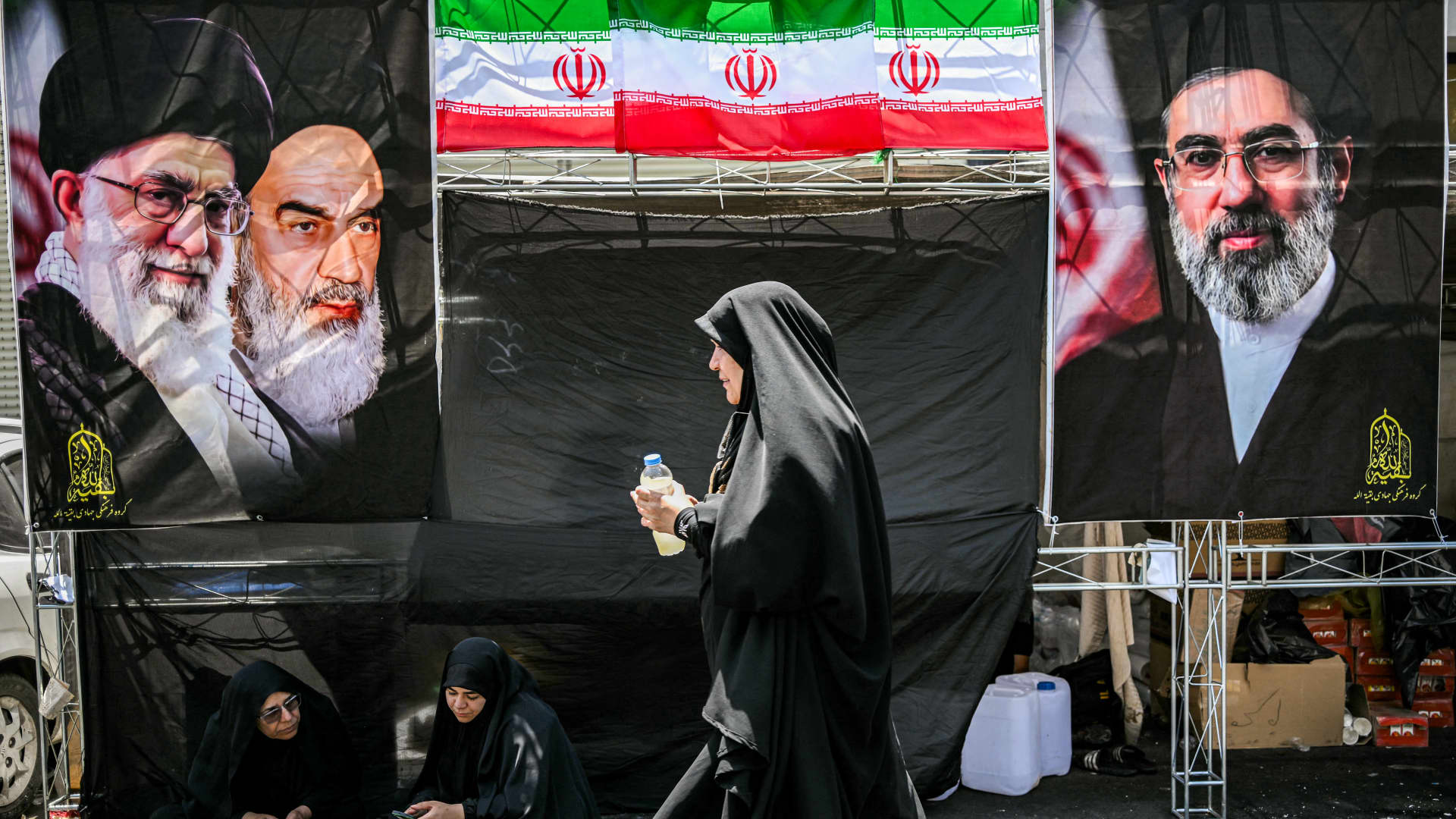
Iran’s power structure is making a ceasefire harder to enforce after renewed fighting in the Middle East, a risk investors are watching because the conflict touches shipping lanes, oil facilities and U.S. military positions. The latest escalation shows that even if diplomats reach terms with Tehran, stopping attacks may depend on several centers of power acting in sync.
The war that began on Feb. 28 has already seen repeated pauses break down. A June 17 memorandum of understanding opened a 60-day negotiating window covering the Strait of Hormuz, sanctions, and Iran’s nuclear and missile programs, according to CNBC. That effort weakened within weeks after Iranian attacks on commercial shipping led to further escalation.
The U.S. then carried out strikes for 13 straight nights before pausing on July 24, CNBC reported. Fighting resumed Tuesday, followed by overnight strikes on Wednesday and Thursday. Iran’s army said Friday it had attacked strategic U.S. assets and military bases in Kuwait and Bahrain.
Why does Iran’s power structure complicate a ceasefire?
A ceasefire is an agreement to stop fighting, but it only works if the people and groups with weapons follow the same rules. In Iran’s case, authority runs through the Supreme Leader, the Islamic Revolutionary Guard Corps, the elected presidency, the civilian government, military commanders, Iran-aligned armed groups and rival political factions.
Sanam Vakil, director of the Middle East North Africa Program at Chatham House, told CNBC that the IRGC is “the dominant force on war and national security.” She said the force operates missiles, drones, intelligence networks and regional armed partnerships, and that its commanders can have considerable freedom during active conflict.
President Masoud Pezeshkian leads Iran’s civilian government, but ultimate national security authority rests with Supreme Leader Ayatollah Ali Khamenei. Vakil told CNBC that the civilian government can influence diplomacy, economic policy and the Supreme National Security Council, while adding that the president does not command the armed forces.
The Islamic Revolutionary Guard Corps, or IRGC, is Iran’s main military and security power center outside the regular army. According to CNBC, it oversees missile forces, drones, regional operations, relationships with Tehran-aligned armed groups, and internal security through the Basij paramilitary force.
What would test a ceasefire first?
Commercial shipping around the Strait of Hormuz may be one of the first places to show whether a truce is holding. CNBC reported that the U.S. has stressed it wants the strait reopened without tolls. Iran’s civilian government is seeking sanctions relief and access to frozen funds to ease pressure on a population of more than 90 million people, while parts of the security establishment may see continued pressure in the strait as leverage.
Other flashpoints could also widen the war. CNBC reported that attacks attributed this week to Iran-aligned Iraqi militias hit Saudi oil facilities, while Yemen’s Houthis targeted pipeline infrastructure. Those incidents show how groups sympathetic to Iran could keep pressure on regional targets even as formal talks are being discussed.
The latest pause in hostilities ended after the U.S. and Saudi Arabia struck Iran-backed militias in Iraq, CNBC reported. Iran then launched a surprise missile attack on U.S. forces in Jordan, all of which were intercepted, according to the U.S. military.
Diplomats had sought earlier in the week to give peace talks “some space,” CNBC reported. Iran’s Foreign Ministry spokesperson Esmail Baghaei said Monday that Iran currently has “no negotiations with the United States.”
Amos Hochstein, a former senior advisor to President Joe Biden and managing partner at TWG Global, told CNBC that “Iran has no intention of returning to the status quo before the war.” Alex Vatanka, senior fellow at the Middle East Institute, told CNBC that a ceasefire cannot be treated like a switch, because Iran wants to convert battlefield conditions into political gains before accepting a new settlement.
This story draws on original reporting from CNBC.


