Jamie Dimon says stocks and long Treasurys look too pricey
JPMorgan’s CEO warned that markets may be too calm about geopolitical risk, U.S. deficits and the chance of higher rates.
By Dev Ramirez · Crypto Correspondent
· 3 min read
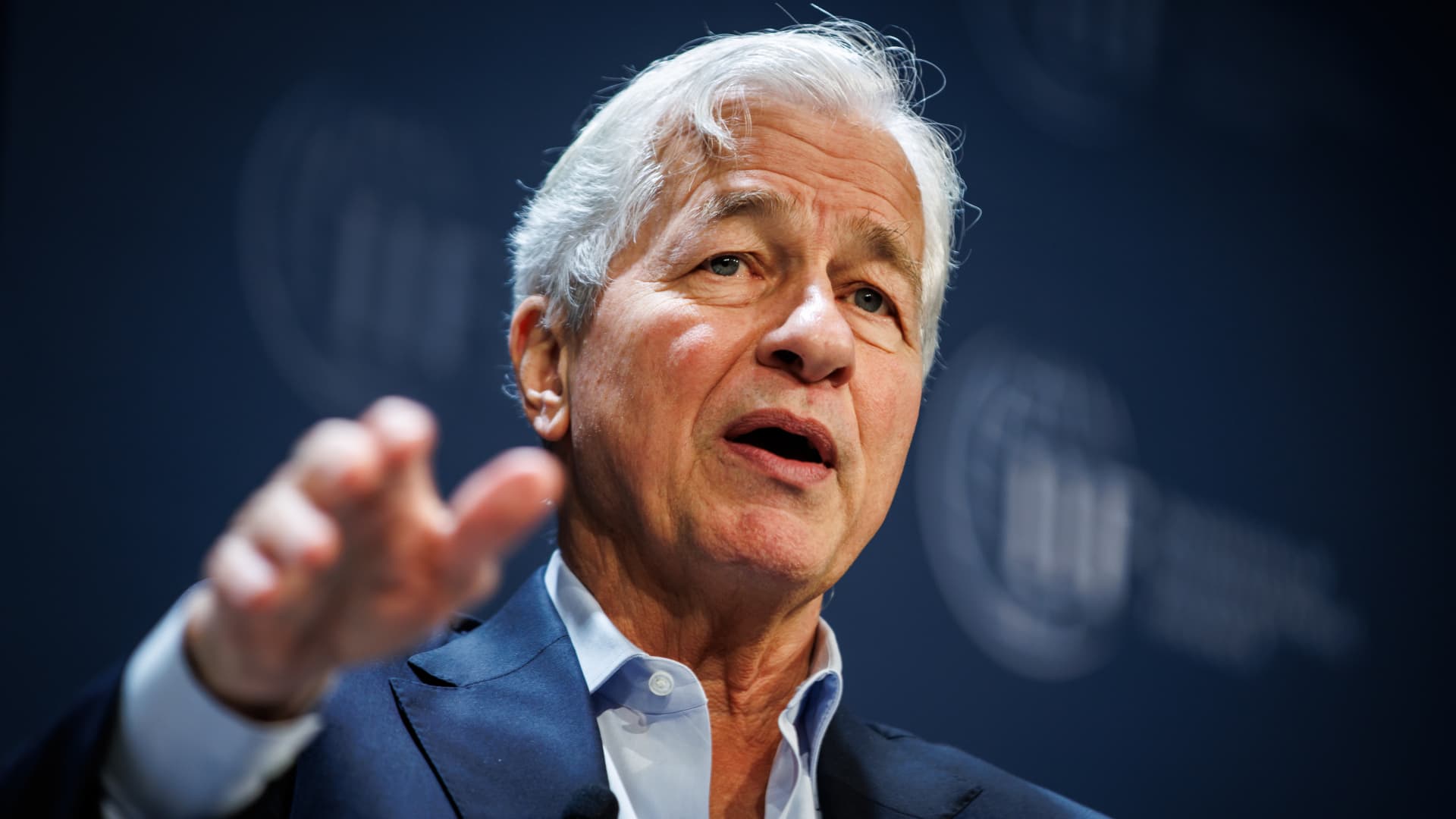
Jamie Dimon says investors may be paying too little attention to risks that could hit portfolios, from wars overseas to U.S. government borrowing at home. The JPMorgan Chase CEO also said he would not buy the broad stock market or long-term U.S. Treasury bonds at current prices.
In an interview with Wilfred Frost released late Monday, Dimon said markets are not fully reflecting what he sees as a growing set of geopolitical and fiscal threats. He cited the wars in Ukraine and the Middle East, U.S.-China tensions, and rising military spending while government deficits keep climbing.
“I do think those risks are probably bigger than other people think,” Dimon said in the interview.
For everyday investors, the warning is about valuation, which means how much investors are paying for an asset compared with its income, earnings or future potential. If stocks or bonds already price in a calm outcome, a surprise can hurt more because there is less cushion built into prices.
Why Dimon is cautious on bonds
Dimon said he personally would not buy long-dated U.S. Treasurys. Long-dated Treasurys are government bonds that mature many years from now, so their prices can move sharply when interest rate expectations change.
Bond prices and yields move in opposite directions. If investors demand higher yields to own U.S. debt, existing bonds with lower yields usually fall in price. Dimon said persistent federal deficits could eventually push investors, sometimes called bond vigilantes, to demand more compensation for financing government debt.
“My view is it will become a problem,” Dimon said, according to CNBC.
Even if inflation returns to the Federal Reserve’s 2% goal, Dimon said the 10-year Treasury yield should probably sit around 4% to 4.5%. He added that he sees limited upside for Treasury prices from current levels.
Stocks have kept climbing despite the risks
Dimon also sounded cautious on equities, another term for stocks. He said he might buy an individual company if he viewed it as “a great investment,” but he would not be a buyer of the broader market at today’s valuations.
That stance contrasts with the market’s recent strength. CNBC reported that the S&P 500 has gained nearly 10% this year, helped by steady consumer spending, cooler inflation and investor enthusiasm around artificial intelligence.
JPMorgan and other large banks also recently reported strong quarterly results, with CNBC citing trading and investment banking revenue as key drivers. Those results supported the view that the U.S. economy has held up better than many investors expected despite geopolitical shocks.
Dimon acknowledged that the global economy has become more resilient than in past decades, partly because it relies less on energy. Still, he warned that resilience does not remove the possibility of a sudden shift.
“You may need more straws in the camel’s back to cause that tipping point,” he said. “Even this current war starting up again, maybe that’s not enough to do it.”
Dimon compares AI spending to the internet boom
Dimon also discussed artificial intelligence, where investor excitement has helped lift parts of the stock market. He compared the current wave of AI spending with the early internet era.
“The amount of money being spent is huge. Will it in total pay off? Probably, just like the internet did,” Dimon said.
He cautioned that the eventual winners may differ from the companies leading early. Dimon pointed to Yahoo and Netscape as major names from the internet boom that faded, while Google and Facebook became dominant later.
“Will it pay off the way you expect and the timetable you expect? Definitely not,” he said.
This story draws on original reporting from CNBC.


