Japan trade growth hits fastest pace since 2022 as AI demand lifts exports
June exports rose 19.3% from a year earlier, while imports climbed 25.4%, both beating Reuters-polled economist estimates.
By Dev Ramirez · Crypto Correspondent
· 3 min read
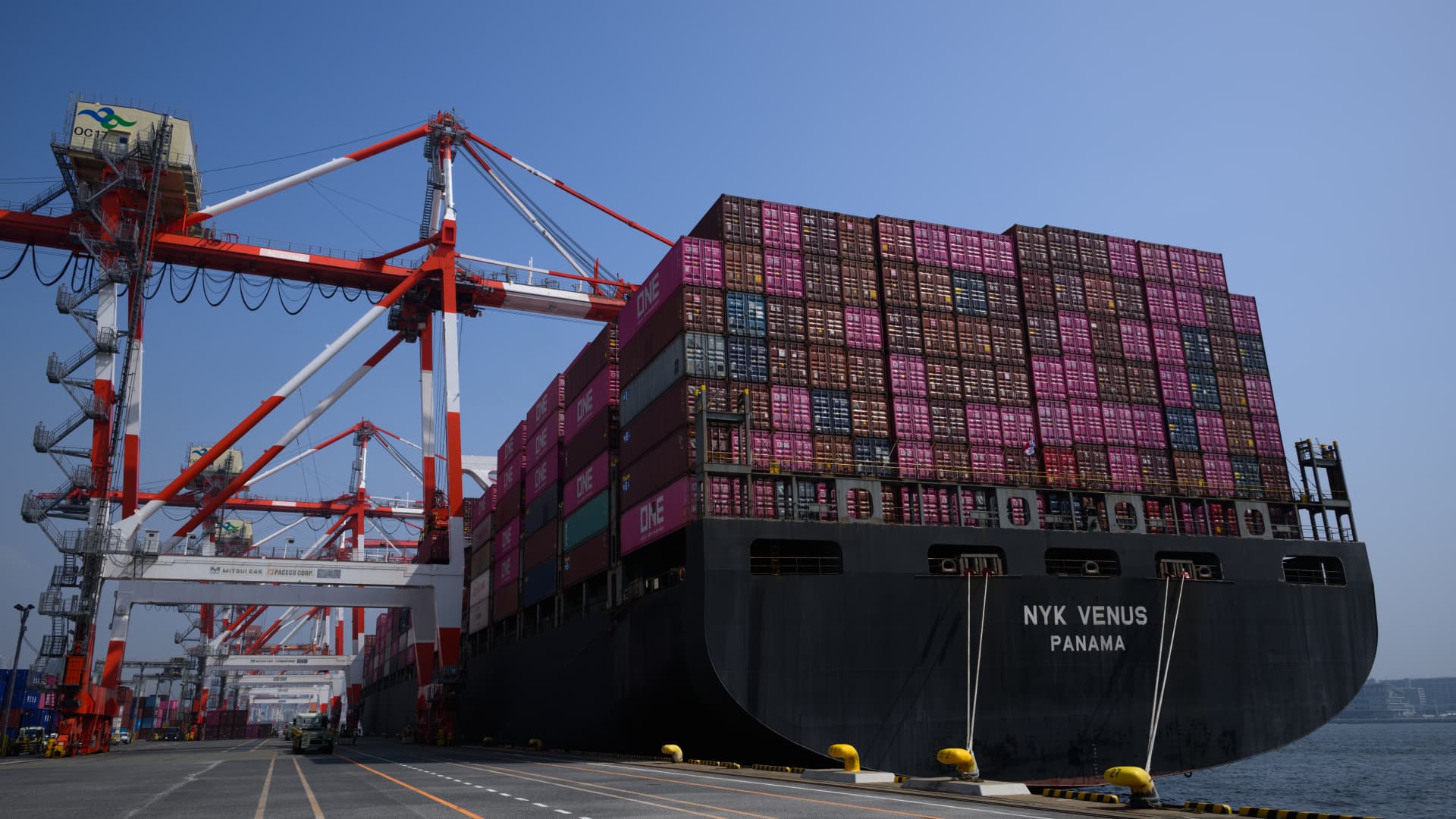
Japan’s trade engine sped up in June, giving investors another read on how AI demand and currency moves are feeding into one of Asia’s biggest stock markets. Exports and imports both grew at their quickest annual pace since November 2022, with the weak yen amplifying the numbers.
Exports rose 19.3% from a year earlier in June, above the 18.6% increase expected by economists surveyed by Reuters. The gain also topped May’s 16.8% rise, showing momentum picked up month to month.
Shipments of semiconductor equipment helped drive the export increase. That matters for equity investors because Japan is home to several companies tied to the chip supply chain, including Tokyo Electron, Renesas Electronics and Advantest.
Shares of those companies have gained between 50% and 93% so far this year, supported by demand linked to artificial intelligence, according to the reported market moves. Semiconductor equipment makers sell tools used to produce chips, so stronger AI-related spending can flow through to orders and investor expectations for those suppliers.
The yen is doing part of the work
The currency backdrop also played a role. The yen has weakened to multi-decade lows and was hovering near 163 per dollar.
A weaker yen can help exporters in two ways. Japanese goods can become cheaper for overseas buyers when priced in foreign currencies, and revenue earned abroad translates into more yen when companies bring it back into their home currency. That translation effect can make export values look stronger in yen terms.
The trade data also showed imports climbing sharply. Japan’s imports jumped 25.4% from a year earlier in June, beating the 21% increase expected by economists polled by Reuters. That was also the fastest import growth rate since November 2022.
For households and companies, a weaker yen cuts both ways. It can support exporters, but it can also make imported goods, energy and raw materials more expensive in local currency terms. The June figures point to stronger cross-border activity on both sides of the ledger.
AI demand shows up in policy discussion
The Bank of Japan flagged the AI effect in its June monetary policy meeting materials. The central bank said overseas economies were improving because of AI demand, and added that for Japan, “the deterioration in the terms of trade has been mitigated, and concerns over an economic slowdown have subsided.”
Terms of trade describe the relationship between a country’s export prices and import prices. If export prices improve relative to import prices, a country can buy more imports for the same amount of exports, which can ease pressure on the economy.
Exports remain an important driver for Japan’s economy. The country’s gross domestic product grew 0.5% from the prior quarter in the first quarter, and expanded at a revised 1.8% annualized rate. Annualized growth shows what the pace would look like over a full year if that quarter’s rate continued.
For retail investors watching Japan, the June report connects three market themes: AI-linked chip spending, a very weak yen and the health of global demand. The trade numbers do not settle where Japan’s economy or stocks go next, but they show that overseas demand remained a meaningful support in June.
This story draws on original reporting from CNBC.


