Japan yen intervention capacity remains substantial, Goldman says
Goldman says Japan can fund more large yen-buying operations, though rate gaps may limit how long intervention supports the currency.
By Dev Ramirez · Crypto Correspondent
· 3 min read
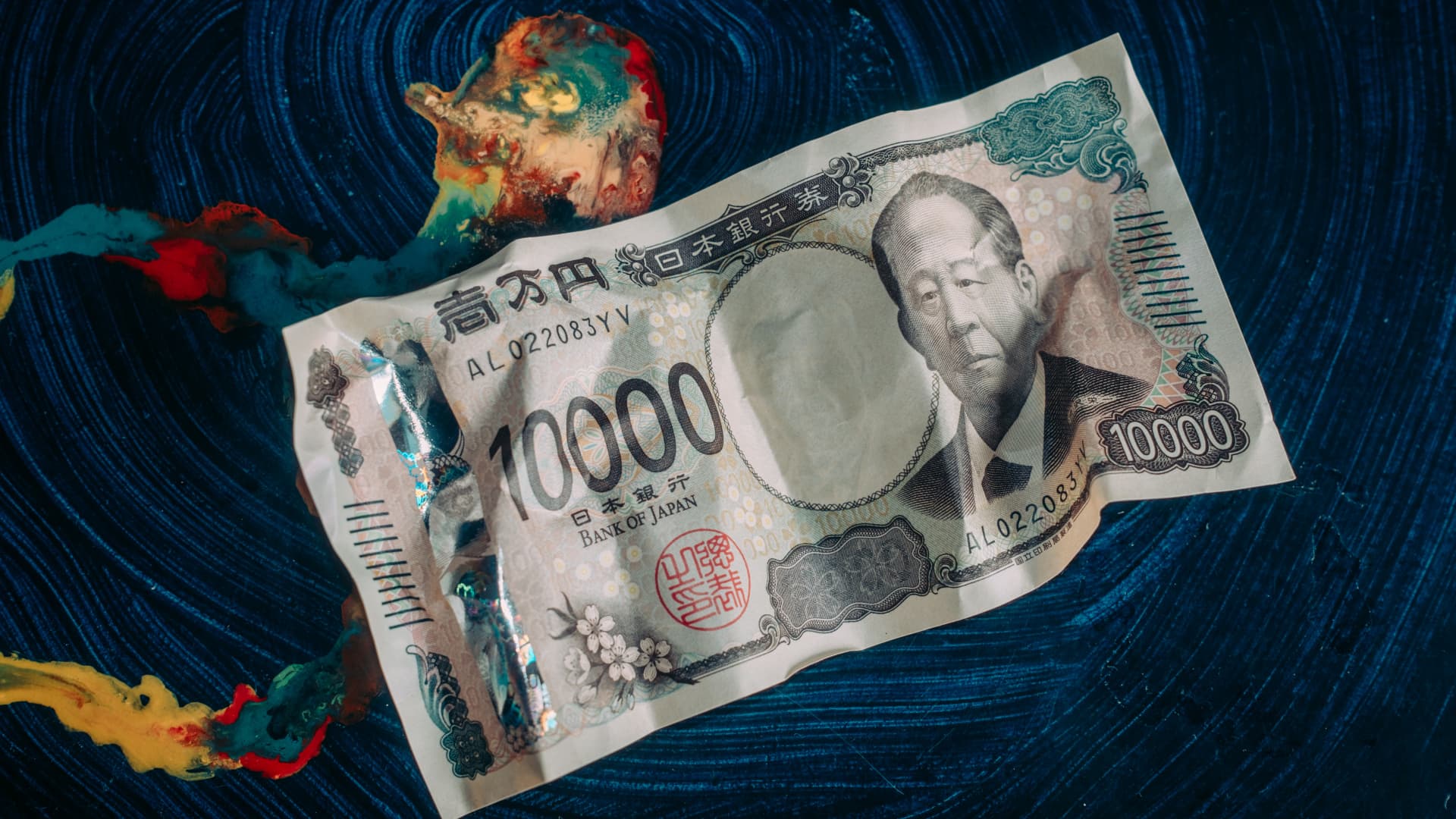
Japan’s yen intervention capacity remains substantial, Goldman Sachs says, because Tokyo holds about $1 trillion in dollar reserves and can potentially turn more of those holdings into usable cash. For investors watching the yen, the key caveat is that Goldman sees intervention as temporary support when the interest-rate gap with the U.S. remains wide.
Goldman estimated that roughly $200 billion of Japan’s dollar reserves is already held in cash or cash equivalents. Karen Fishman, a strategist at Goldman Sachs Research, said that sum could support a couple more yen-buying operations on the scale of the late-July action, which Goldman estimated at as much as $85 billion over its first two days, according to CNBC.
Those are Goldman estimates, not official Japanese intervention totals. The bank’s broader point is about readily available funding rather than a prediction that Japan will spend all of its reserves.
How can Japan fund more yen intervention?
Goldman’s assessment concerns Japan’s ability to raise dollar liquidity to fund further yen-buying operations. Japan can use the Federal Reserve’s FIMA repo facility, which allows foreign central banks to obtain dollars against Treasury holdings rather than selling those securities outright.
Fishman said access to that facility could theoretically make the full $1 trillion reserve pool liquid. That would reduce the need for Tokyo to sell Treasuries in the secondary market if it chose to intervene again. Reuters reported that Federal Reserve data showed no repos under foreign official accounts in the week through Aug. 5, indicating Japan did not use the facility in its latest operation.
What do the official records show?
The Ministry of Finance has confirmed the scale of an earlier round. Reuters reported that Japan bought yen on three days from April 30 through May 6. Its largest single-day operation was ¥6.28 trillion, or $39.64 billion, on April 30, the largest in ministry figures going back to 1991.
Japan’s April-to-May intervention totaled a record ¥11.7 trillion over the broader April 28 to May 27 period, Reuters said. Official records for the late-July action were still pending at the time of its Aug. 7 report, so estimates of that episode should be treated as provisional.
Why may intervention not settle the yen’s direction?
Goldman’s Praneet Shah said the difference between Japanese and U.S. borrowing rates remains the dominant force behind the dollar-yen exchange rate. CNBC reported that 10-year U.S. Treasury yields were 4.690% late Wednesday, versus 2.839% for comparable Japanese government bonds.
That spread can make U.S. debt comparatively more attractive to investors. Goldman’s view is that currency intervention can buy time, but does not remove that underlying rate incentive. The yen strengthened after the late-July action but had slipped back near 160 per dollar by Wednesday, after previously moving beyond its 200-day average of 158, CNBC reported.
Goldman’s FX options trader also said pricing for short-dated yen calls, contracts used to guard against a rise in the currency, showed that traders remained alert to another abrupt yen move. That caution may make bets against the yen less appealing near 160, in Goldman’s interpretation.
This story draws on original reporting from CNBC.


