JPMorgan and Amazon block AI agents as debate shifts to secure access
JPMorgan and Amazon are among companies restricting outside AI agents, while survey data points to consumer demand for convenience with control.
By Maya Okafor · Markets Writer
· 3 min read
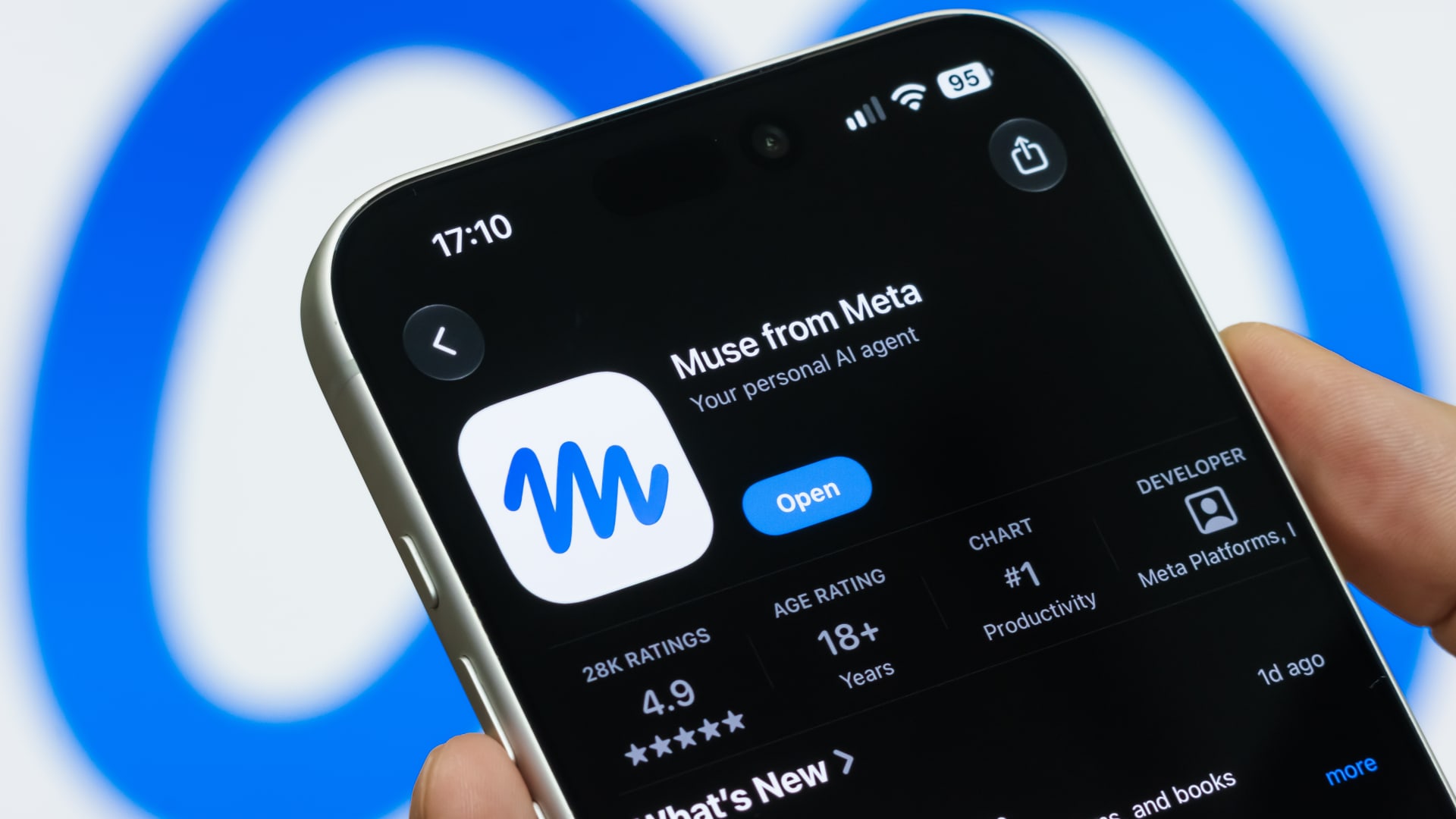
JPMorgan Amazon AI agents are now at the center of a fight over who controls digital banking and shopping. CNBC reported that JPMorgan Chase blocks outside agents from acting for retail customers over security concerns, while Amazon and several other companies have also restricted personal agents such as Meta Muse. For investors, the question is whether companies can protect customers without making their services harder to use as AI tools take on more routine tasks.
According to CNBC, customers are beginning to use these tools to search for better savings rates, find deals and cancel subscriptions. That can move an important customer interaction away from a bank or retailer's own app or website.
Jamie Dimon's reported stance does not mean JPMorgan is stepping back from AI broadly. In its 2025 shareholder materials, the bank said it planned a technology budget of about $19.8 billion for 2026, is deploying generative AI across the company and uses governed data and safeguards to protect clients, the firm and the financial system. JPMorgan also said security must develop alongside AI agents.
Why are JPMorgan and Amazon restricting AI agents?
The concerns are concrete. Michael Abbott, Accenture's global banking lead, told CNBC that fraud, identity verification, liability and consumer protection remain real issues when an agent acts for a customer. Banks also remain responsible for safeguarding customer assets and data, he said.
Those risks leave difficult unanswered questions when a customer-authorized tool accesses an account or completes a purchase. Abbott's comments and Accenture's survey findings suggest an access model could include stronger identity checks, clear accountability and customer controls, but CNBC's reporting does not show that a standard system has been adopted.
Consumers appear interested in convenience with direct oversight. Abbott said Accenture research found that 65% of consumers were open to using a GPT-like financial assistant through a generative-AI platform or digital wallet. Another 71% said they would welcome an assistant within their primary bank's app. The same research found 82% wanted to approve every AI action and 79% wanted the ability to pause or stop activity immediately.
Is blocking AI agents likely to last?
That is an analyst view, not a demonstrated outcome. Abbott told CNBC that companies may struggle over time if they only block customer-authorized agents, arguing that institutions will need a secure, trusted way to participate instead. The evidence so far shows an early and unsettled market, rather than a proven winning model.
A Billions Network and AmanTrue audit of published rules at 51 large U.S. retailers found that only 11 had deliberately addressed AI agents, CNBC reported. Five, including Amazon, Kohl's and Neiman Marcus, explicitly restricted them. Thirty-seven largely blocked shopping agents through older anti-scraper rules, and none offered a way for a verified agent to finish a purchase. The audit cautioned that published policies do not prove technical enforcement.
Walmart has taken a different reported approach, saying it would allow customers to use their preferred agents. The retailer said those agents would see the same prices as human shoppers, with applicable offers and fees displayed before a purchase. That company announcement is not evidence that the approach will succeed.
The practical challenge for banks and retailers is narrower than an open-or-closed choice: whether they can build authenticated, permissioned access that gives customers meaningful approval and stop controls while addressing security and responsibility for errors.
This story draws on original reporting from CNBC.