June inflation eased as energy prices fell, but oil risk remains
The CPI rose 3.5% from a year earlier in June, down from May as gasoline and energy costs declined, the Bureau of Labor Statistics said.
By Theo Nakamura · Staff Writer
· 3 min read
Inflation cooled in June, giving households and investors a break after months of pressure tied to higher energy costs. The consumer price index rose 3.5% from a year earlier, the Bureau of Labor Statistics said Tuesday, down from 4.2% in May.
The consumer price index, or CPI, tracks the prices consumers pay for a basket of goods and services. Markets watch it closely because the Federal Reserve uses inflation data, among other indicators, when deciding whether to raise or lower interest rates. Higher rates make borrowing more expensive for consumers and businesses, which can slow demand and help contain inflation.
June marked the first decline in the annual inflation rate since January, when the rate was 2.4%, according to the BLS. On a month-to-month basis, CPI fell 0.4%, the largest one-month drop since April 2020, the agency said.
Energy drove the slowdown
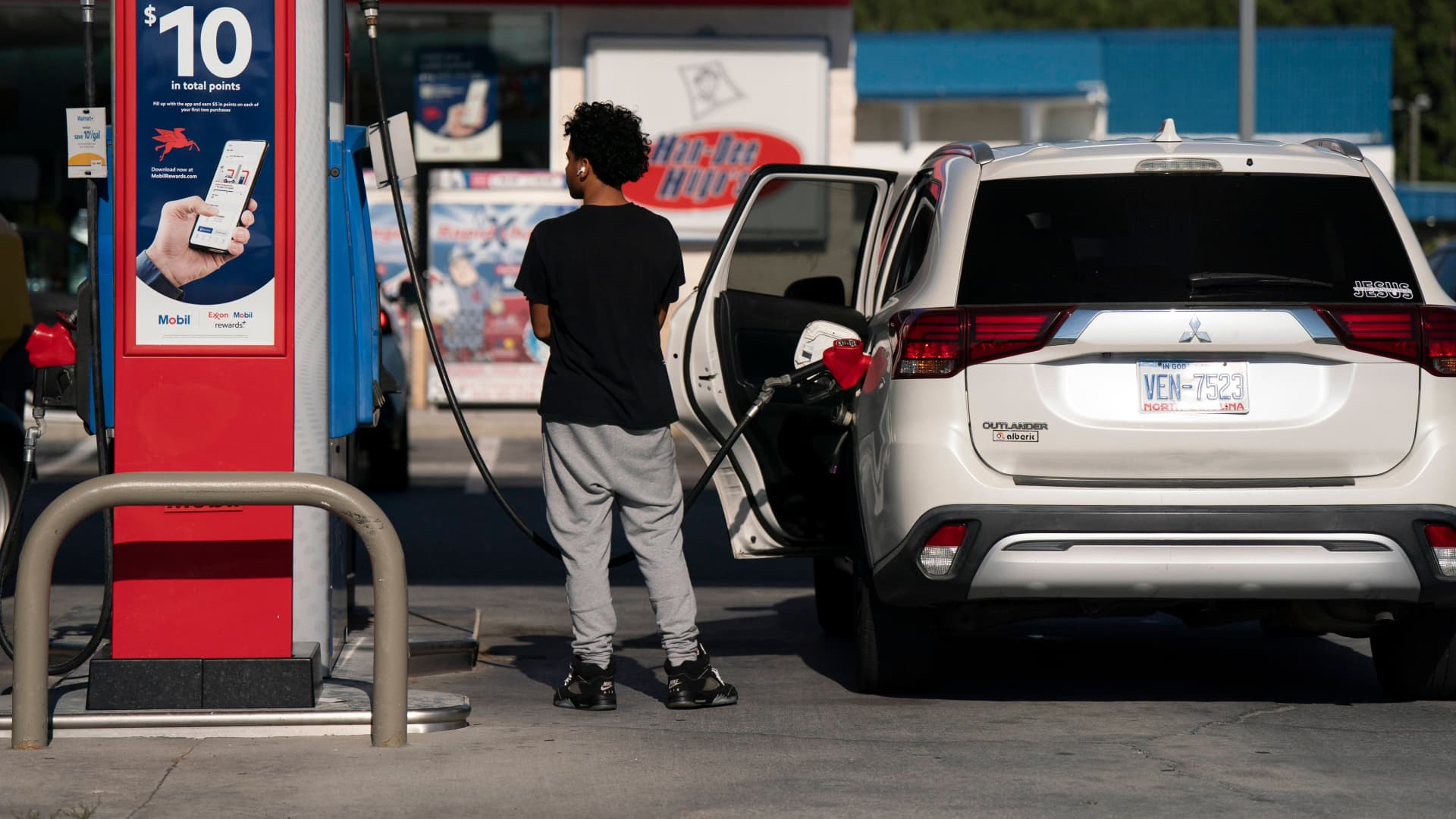
The BLS said the energy index was the biggest reason overall prices fell in June, offsetting increases in areas such as shelter and food. Gasoline prices dropped about 10% during the month, fuel oil fell 9%, and the broader energy category declined 6%, according to the inflation data.
Those monthly drops did not erase the run-up from the past year. Gasoline prices were still up about 27% annually, fuel oil was up 43%, and energy overall was up 16%, the BLS data showed.
The pullback followed a decline in global oil prices during June. Oil fell from more than $90 a barrel to roughly $73 by the end of the month after the U.S. and Iran reached a temporary ceasefire in mid-June, according to CNBC. The conflict began Feb. 28, when the U.S. and Israel bombed Iran, CNBC reported.
Mark Zandi, chief economist at Moody’s, said the June data suggested inflation had passed a recent peak. He also warned that a renewed conflict involving the Strait of Hormuz could change that path.
Fed rate risk depends partly on oil
The Fed targets inflation of about 2% over the long run. Before the June CPI report, minutes from the central bank showed policymakers had signaled that a rate increase could be considered to address inflation.
Tom Porcelli, chief economist at Wells Fargo, said he expects inflation to keep slowing over the next year and does not see a strong reason for the Fed to raise rates at this point.
That view depends partly on energy prices. CNBC reported that the U.S.-Iran ceasefire appeared more fragile after the two countries exchanged hostilities for a third straight day Tuesday. Global oil prices had risen to about $86 a barrel as of 9:45 a.m. ET Tuesday, according to CNBC.
Goldman Sachs Research wrote in a Sunday note that a serious escalation of the conflict would raise the risk of higher inflation and increase the odds of rate hikes.
Where prices rose and fell
Core CPI, which excludes food and energy because those categories can swing sharply, rose 2.6% from a year earlier in June, according to the BLS. Food at home was up 2.7%, while restaurant food rose 3.4%.
Some categories still showed sharp annual increases. Airline fares rose 26.5%, motor vehicle maintenance and repair climbed 7%, tobacco and smoking products rose 6.5%, and fruits and vegetables increased 5.3%, according to the BLS.
Other categories moved lower. Used cars and trucks were down 1.8% from a year earlier, motor vehicle insurance fell 4.1%, and medical care commodities declined 2.1%, the BLS said. Zandi said weak car demand tied to affordability concerns likely contributed to the decline in used vehicle prices.
Food prices remained uneven. Beef roasts were up about 14% annually, ground beef rose 12.4%, and beef steaks increased 11.4%, according to BLS data cited by CNBC. Tomatoes rose 19.5% from a year earlier but fell 10% during the month, while roasted coffee declined 2.1% monthly despite remaining 12.2% higher annually.
This story draws on original reporting from CNBC.


