Kalshi builds midterm election dashboard around prediction market odds
The hub will show market-implied odds for House and Senate races alongside polling, fundraising filings and curated political coverage.
By Jordan Bell · Startups & Deals Reporter
· 3 min read
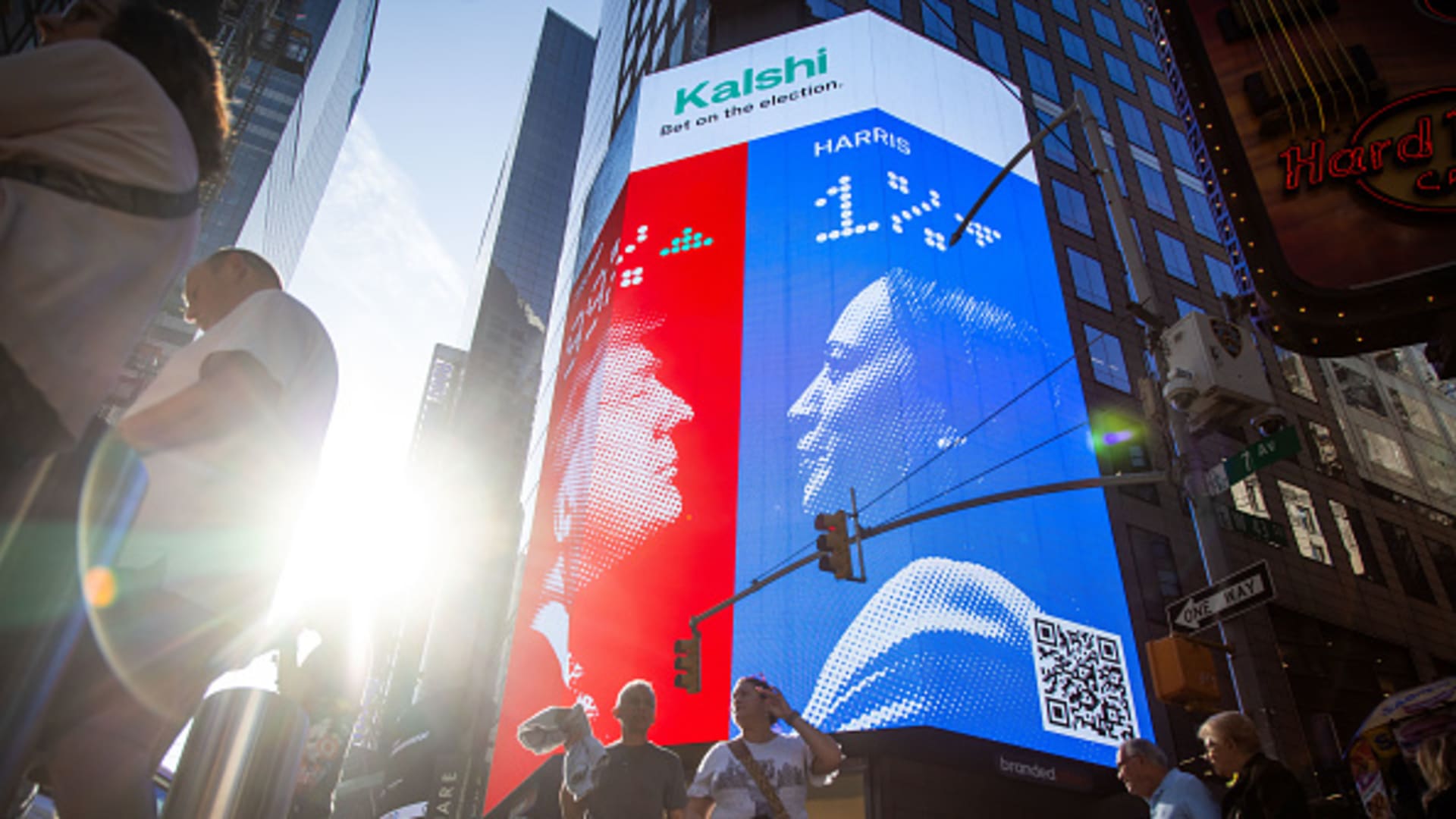
Kalshi is rolling out a central dashboard for the 2026 midterm elections, giving users one place to track how its prediction markets are pricing races for Congress. For retail investors, the launch matters because prediction markets have become another real-time signal people watch alongside polls, betting lines, fundraising data and news.
The company said its “Midterms Hub” will display odds for individual U.S. Senate and House of Representatives contests on a national map. Those odds come from event contracts, which are markets tied to whether a specific outcome happens, such as which party wins a race or chamber.
In plain English, traders express a view by taking positions in those contracts. The market price then moves as buyers and sellers react to new information, and the resulting odds show what participants are collectively implying about the chance of an outcome.
What the hub will include
Kalshi said the page is designed for people who want to read the market, not only for people who want to trade it. In a press release, the company said about three-quarters of visitors to its platform come to check odds on events, while only one in four trade contracts.
The hub will also show polling averages, allowing users to compare market pricing with survey-based measures of voter preference. Kalshi said it will include the latest Federal Election Commission fundraising reports for individual candidates, plus selected news and analysis from multiple outlets.
That mix puts several political indicators in one place: what voters are telling pollsters, how campaigns are raising money and how traders are pricing election outcomes. Each signal has limits, but together they give users a broader look at the state of a race.
Kalshi leans further into politics
Kalshi CEO Tarek Mansour said in a statement that prediction markets can offer a view less shaped by partisan messaging because participants are putting money behind their expectations.
“They cut through polarization and show you what the wisdom of the crowds actually believes, backed by real money, not rhetoric,” Mansour said. “That kind of clarity is rare right now and that’s what people are getting with the Midterms Hub.”
Mansour is an MIT graduate and previously worked as a trader at Citadel and an analyst at Goldman Sachs, according to Kalshi.
The midterm dashboard follows another political product from Kalshi. In May, the company introduced the American Power Index, which it described as an “S&P 500” for politics, meant to track which party is gaining or losing ground.
CNBC reported that prediction market activity climbed during the 2024 presidential election, and market watchers expect the 2026 midterms to bring another increase in volume. More than $30 million has already traded on contracts tied to which party will control the House and Senate in 2026, according to CNBC.
For investors watching politics as a market input, the hub gives Kalshi a more public-facing role in election coverage. The odds are not forecasts, and they can change quickly as traders respond to polls, fundraising reports, candidate news and broader political events.
This story draws on original reporting from CNBC.