Leopold Aschenbrenner hedge fund shrinks after leveraged AI bets sour
Situational Awareness fell from $45 billion to about $10 billion as margin calls forced sales of public AI stock positions, CNBC reported.
By Maya Okafor · Markets Writer
· 3 min read
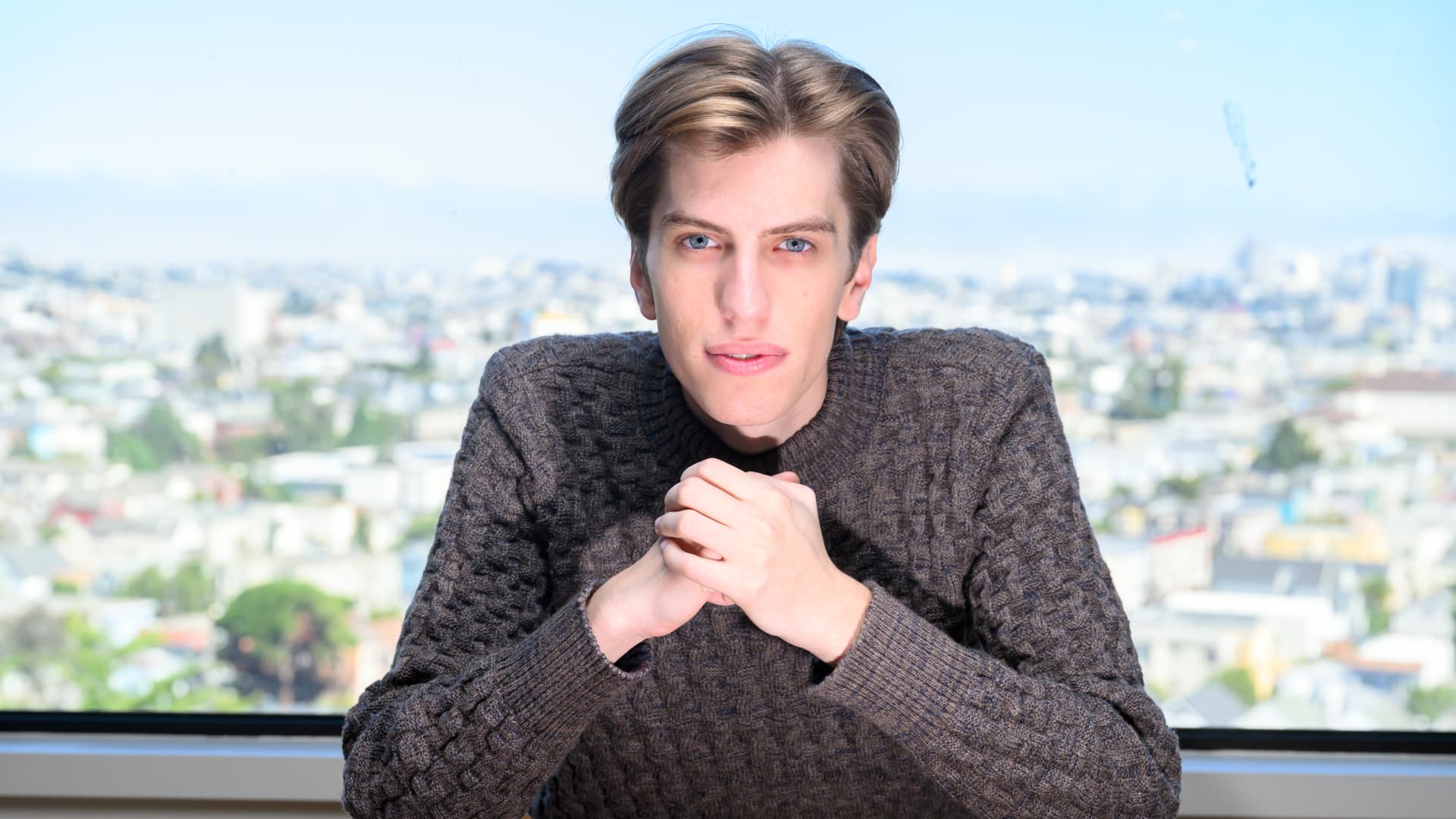
Leopold Aschenbrenner's hedge fund, Situational Awareness, has fallen from $45 billion in assets earlier this month to roughly $10 billion after leveraged AI stock bets moved against it, CNBC reported, citing people familiar with the matter. For retail investors watching the AI trade, the episode is a sharp example of how borrowing can turn a market pullback into a forced sale.
CNBC reported that falling semiconductor stocks and rising margin calls pushed the fund to sell its leveraged public-equity positions, including stakes tied to SK Hynix and CoreWeave, to Ken Griffin's Citadel at a discount. The people who spoke to CNBC did so anonymously because the details were not public.
What happened to Leopold Aschenbrenner's hedge fund?
Situational Awareness had built a concentrated AI trade using leverage, which means borrowed money used to increase exposure to an investment. CNBC reported that the fund used leverage of as much as 400%, a level that can amplify gains when trades work and deepen losses when prices fall.
A margin call happens when a lender demands more collateral or repayment because the value of borrowed-against investments has dropped. According to CNBC, those calls forced Aschenbrenner's fund to offload all of its leveraged public stock bets.
Before the sale to Citadel, about two-thirds of Situational Awareness' holdings were in long and short positions in public stocks, one person familiar with the fund told CNBC. The remainder consisted of private-company stakes, led by a multibillion-dollar investment in Anthropic, that person said.
Situational Awareness did not immediately respond to CNBC's request for comment.
How Aschenbrenner became a closely watched AI investor
Aschenbrenner, a former OpenAI researcher, became widely known in Silicon Valley after publishing a 165-page essay in June 2024 arguing that artificial general intelligence could arrive within years and that governments were underestimating the speed of AI progress. The fund's name, Situational Awareness, matched the title of that essay.
The Wall Street Journal reported last month that Aschenbrenner was 24 and that Situational Awareness had gained more than 1,000% since launch before the recent decline. CNBC reported that he started the fund in July 2024 after raising a reported $225 million from investors including Stripe co-founders Patrick and John Collison, former GitHub CEO Nat Friedman and investor Daniel Gross.
His rise also drew criticism. CNBC reported that skeptics questioned his lack of prior money-management experience and pointed to his earlier work at FTX's philanthropic arm, the Future Fund, before the crypto company's collapse. Jerry Diao, who runs a Wall Street coaching firm, told CNBC that many market participants had viewed a blowup as likely if the fund carried that much leverage, even if Aschenbrenner's long-term AI views proved right.
What investors can take from the forced sale
The main investing lesson is mechanical rather than personal: leverage changes the timing and pressure of a trade. A fund can be directionally right about a long-term theme and still face losses if borrowed money forces it to sell during short-term volatility.
Aschenbrenner's background has added to the attention. CNBC reported that he was born in Germany, graduated high school at 15, became Columbia University's valedictorian at 19 and later worked on OpenAI's Superalignment team. OpenAI fired him in 2024 after accusing him of improperly sharing confidential information, a characterization he has disputed, saying he had raised concerns about the company's security practices. An OpenAI spokesperson declined to comment to CNBC and referred to earlier company statements disputing many of his claims.
CNBC also reported that the fund's near-collapse coincides with Aschenbrenner's wedding weekend. He is engaged to Avital Balwit, chief of staff for Anthropic CEO Dario Amodei, according to a Fortune profile cited by CNBC.
This story draws on original reporting from CNBC.


