Long-term unemployment fell in July 2026, but economists see a warning sign
Fewer Americans were unemployed for 27 weeks or more in July, but economists say some may have stopped looking for work.
By Maya Okafor · Markets Writer
· 3 min read
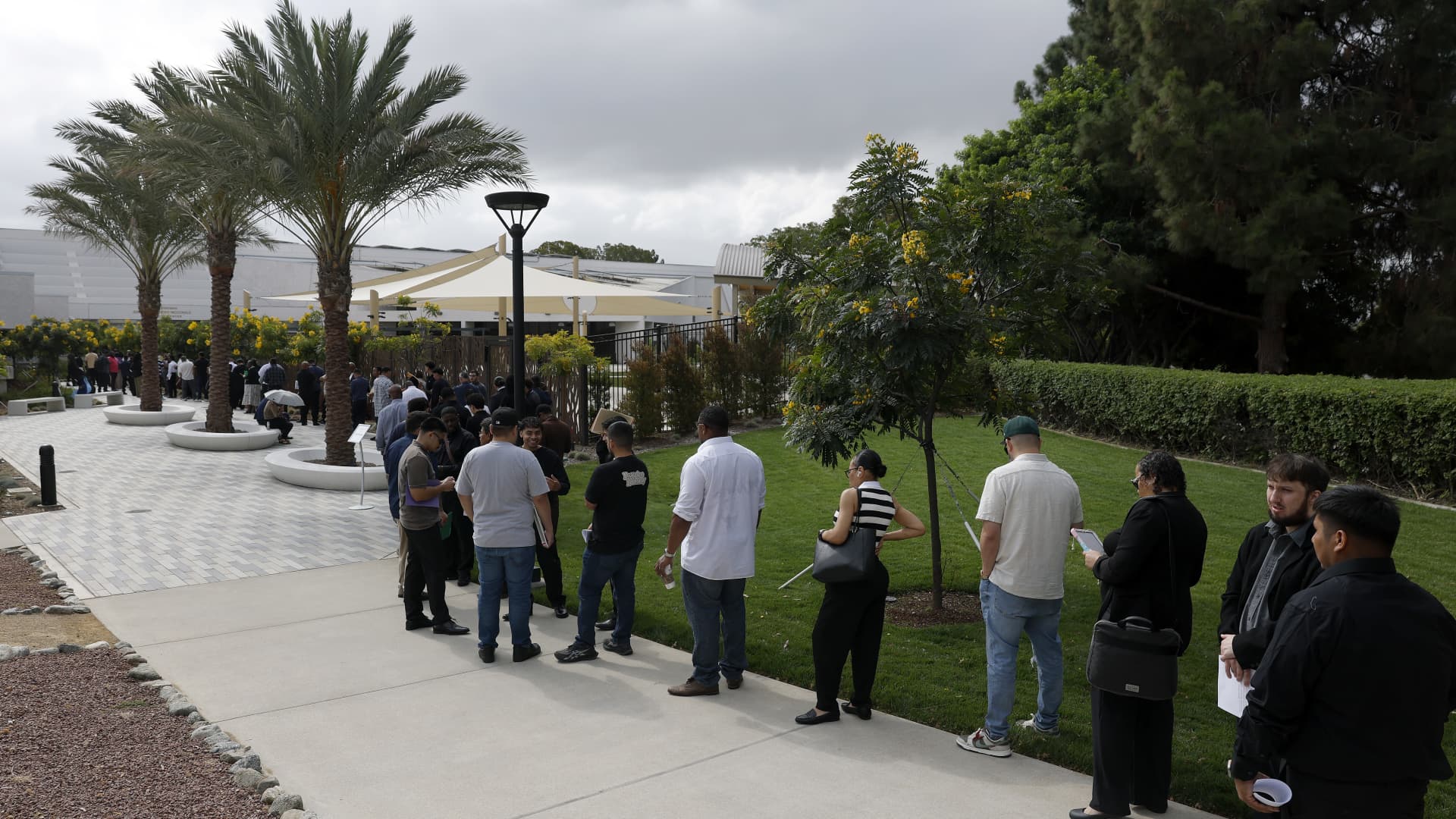
Long-term unemployment July 2026 data showed fewer people out of work for 27 weeks or more, yet economists say the decline may reflect discouraged jobseekers leaving the labor force rather than landing jobs. For investors and households, that distinction matters: a lower unemployment rate can look healthy even while hiring remains difficult.
The number of Americans experiencing long-term unemployment fell by 64,000 from June to roughly 1.8 million in July, according to the Bureau of Labor Statistics data reported by CNBC. These workers accounted for 25.5% of all unemployed people, down from 27.3% a month earlier.
The broader unemployment rate also slipped to 4.1% in July from 4.2% in June. Heather Long, chief economist at Navy Federal Credit Union, said in her analysis of the jobs report that labor-force participation had reached its lowest point since February 2021.
Why can unemployment fall when the job market is weak?
The official unemployment rate counts people who do not have a job and are actively looking for one. A person who stops searching is no longer counted as unemployed and is considered outside the labor force. That can pull down the unemployment rate without adding a job.
Economists cited by CNBC said July's figures may contain that effect. Cory Stahle, a senior economist at job site Indeed, said workers may take a break from searching after months without success in a low-hire market. Jason Pride, chief of investment strategy and research at Glenmede, said a falling jobless rate driven by people abandoning their searches differs from one produced by people getting hired.
The data do not prove why each worker left the labor force. They do show why the headline unemployment rate is only one measure of labor-market conditions. CNBC reported that employer hiring has been subdued since 2024, with the hiring rate hovering near its lowest level since 2014, based on federal data.
What does long-term unemployment mean for jobseekers?
In the federal data, long-term unemployment refers to people who have been jobless for 27 weeks or more while continuing to seek work. The immediate challenge is income: CNBC reported that workers unemployed for long periods are generally no longer eligible for unemployment benefits after six months, with timing varying by state.
That can leave households without wages and potentially without jobless assistance. Economists also told CNBC that an extended absence from work can make it more difficult to find another job, and that workers who do return to work after long unemployment spells tend to earn less.
For the economy, a smaller labor force can also constrain growth because employers have fewer available workers. Stahle said sustained growth is harder when workers are not available to support it.
The July report therefore offers a mixed signal. Fewer people counted as long-term unemployed is favorable if it reflects re-employment. Economists’ concern is that some of the decrease may instead reflect workers who have stopped looking after a prolonged search.
This story draws on original reporting from CNBC.


