Medicaid and CHIP gender-affirming care funding rule takes effect Oct. 13
The Trump administration finalized limits on federal payment for youth gender-affirming care, while states may still use their own funds.
By Dev Ramirez · Crypto Correspondent
· 3 min read
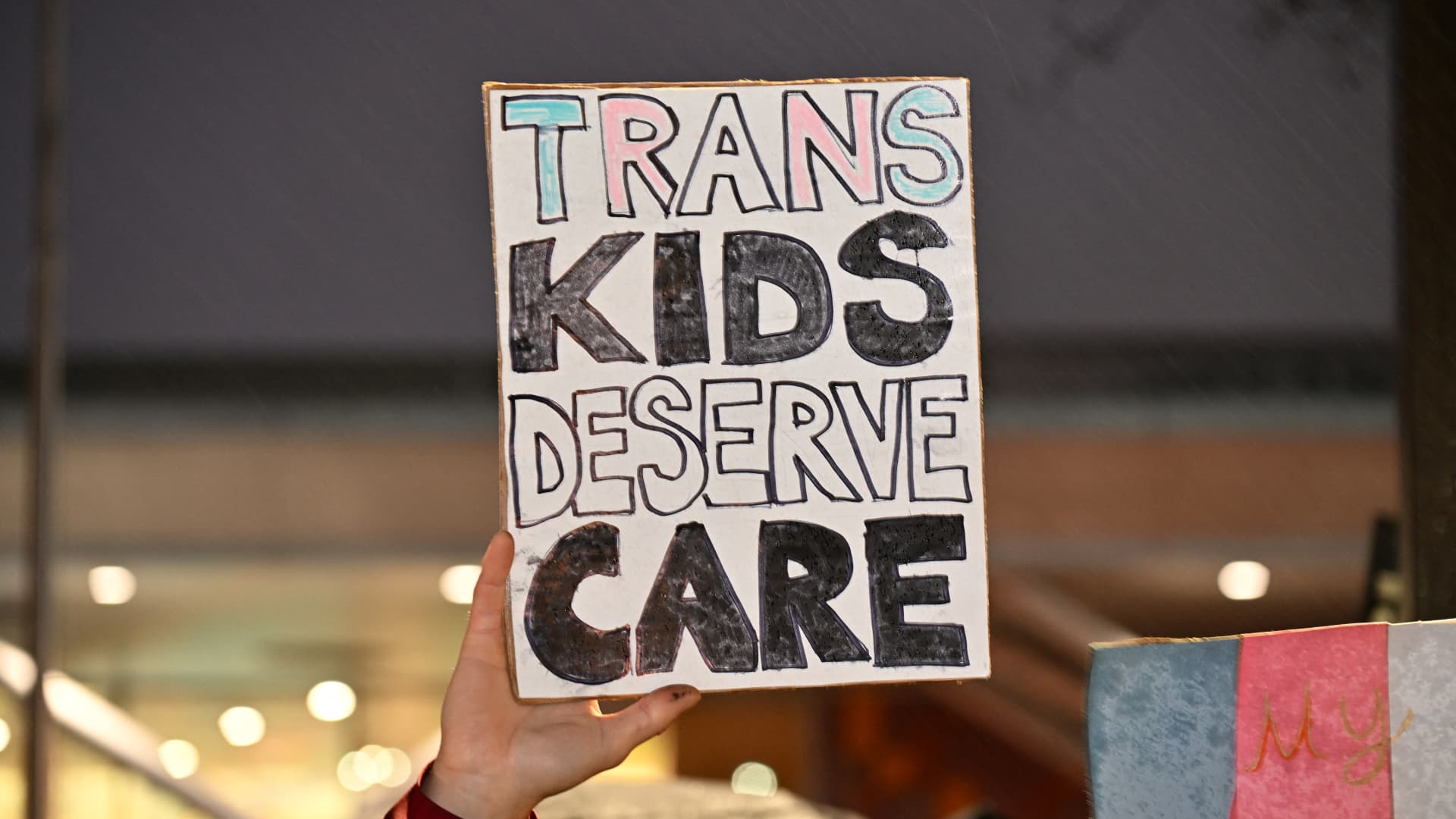
The Trump administration has finalized a Medicaid CHIP gender affirming care funding rule that will stop states from claiming federal funds for certain medical services for children and young people beginning Oct. 13. For families and state health programs, the key distinction is that the rule limits federal matching money, rather than creating a blanket prohibition on care or on state-funded coverage.
Axios and CNBC reported Tuesday that the Centers for Medicare & Medicaid Services rule covers puberty blockers, hormone therapy and surgical procedures provided as gender-affirming care for youth. Surgeries are rare among minors, CNBC reported.
States can still choose to pay for the affected services with state-only dollars through Medicaid or the Children’s Health Insurance Program, known as CHIP, according to Axios and CNBC. The reporting also says the rule leaves federal payment for psychotherapy and other mental-health services related to gender dysphoria in place.
What does the Medicaid and CHIP funding rule change?
Medicaid and CHIP are federal-state programs. States administer coverage, while federal funding generally helps pay for eligible services. Under the new rule, states will no longer be able to seek that federal share for the specified gender-affirming medical care for young beneficiaries, Axios reported.
There is a six-month transition period for people already receiving gender-affirming hormone therapies, during which states can continue receiving federal funding for those beneficiaries, Axios reported. The supplied reporting does not include the final rule’s text, so its scope and transition details are based on those accounts.
CMS initially proposed the Medicaid and CHIP restriction on Dec. 19, 2025. The proposal’s public-comment window closed Feb. 17, according to the Federal Register.
What coverage can remain?
- States may use their own money to continue covering the affected medical services for young Medicaid or CHIP beneficiaries, Axios and CNBC reported.
- Federal funding for psychotherapy related to gender dysphoria is not affected by the rule, Axios reported.
- The policy does not terminate Medicaid or CHIP funding for hospitals generally, and it does not itself bar providers from offering care.
The administration said its decision followed reviews of research that it characterized as showing evidence gaps and safety concerns. CNBC reported that the specific findings cited by CMS were unclear. Major medical organizations support gender-affirming care when provided under clinical guidelines and have criticized the administration’s position, according to CNBC and Axios.
The finalized payment rule is narrower than a separate 2025 proposal aimed at hospitals. That proposal would have put Medicare and Medicaid participation at risk for certain hospitals providing pediatric gender-affirming care, regardless of how a patient paid. NPR reported in July that HHS was not advancing that hospital-participation proposal, though the department said it intended to continue reviewing public comments.
This story draws on original reporting from CNBC.


