Microsoft Meta earnings split Big Tech’s AI trade
Microsoft rose about 8% as Azure and Copilot gained, while Meta fell 8.5% after weaker guidance and a cash-flow drop.
By Maya Okafor · Markets Writer
· 3 min read
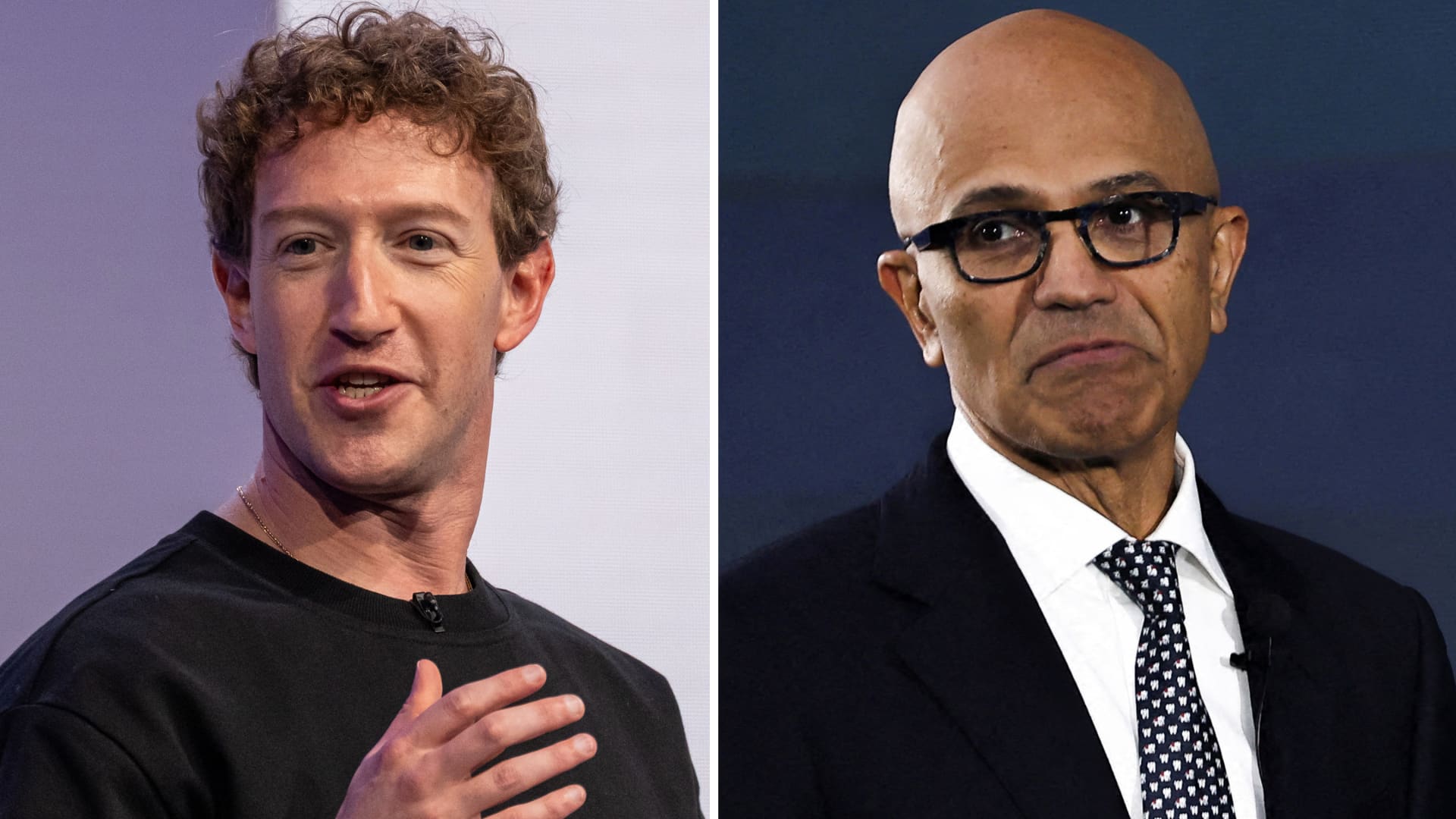
Microsoft Meta earnings gave investors two very different reads on the AI trade Thursday: Microsoft shares climbed about 8% in premarket trading, while Meta fell 8.5%, CNBC reported. For retail investors, the split shows that Wall Street is pressing tech giants to prove AI spending can produce revenue, not just bigger data-center bills.
Microsoft’s fiscal fourth-quarter revenue came in above analyst estimates, according to CNBC. Its Azure cloud unit grew 43%, also ahead of market expectations, giving investors a clearer line between the company’s AI spending and demand for its cloud services.
The company also said Microsoft 365 Copilot, its AI assistant for workplace software, now has more than 30 million paid seats. That is up from more than 20 million in April. A paid seat is a licensed user account, so the figure is a rough measure of how many customers are paying to use the product.
Tracy Woo, principal analyst at Forrester, said in a Wednesday note that Microsoft’s revenue strength and faster Copilot adoption suggest its $190 billion data-center buildout is starting to produce returns. CNBC reported that Microsoft shares rose even after the company repeated its 2026 capital expenditure forecast and pointed to a possible increase in spending in fiscal 2027. Capital expenditures are long-term investments, such as data centers and equipment, that can weigh on cash before they pay off.
Why did Microsoft rise while Meta fell?
Investors appeared to reward Microsoft because its AI-related products are showing measurable growth, while Meta’s results raised fresh questions about the timing and payoff of its AI spending. CNBC reported that Meta missed investor expectations on earnings and gave current-quarter revenue guidance below what analysts had expected.
Meta said it expects revenue of $61 billion to $64 billion for the current quarter, with the midpoint at $62.5 billion. Analysts surveyed by LSEG had expected guidance of $63.15 billion, according to CNBC.
The cash picture also moved against Meta. The company’s free cash flow dropped 91% from a year earlier to $784 million as it continued to spend on AI investments, CNBC reported. Free cash flow is the cash a business has left after operating expenses and capital spending, and investors watch it because it can show how much flexibility a company has after funding growth.
Meta CEO Mark Zuckerberg said the company has received many offers for compute at a significant premium to what Meta paid, CNBC reported. Compute means data-center processing power used to train and run AI models. Leasing extra compute to outside customers would mark a shift for Meta, though CNBC reported that Zuckerberg gave few details on how such a business would work.
Zuckerberg also said Meta still needs to keep compute capacity for its own product development. Ben Barringer, head of technology research at Quilter Cheviot, said in a Thursday note that Zuckerberg’s current explanation is light on detail and depends on what Meta could do later. Barringer said Meta remains important in AI, but its costs and revenue still look somewhat volatile.
CNBC reported that Microsoft’s stock was down about 24% for the year despite the Thursday move, while Meta was down about 16% for the year after its slide.
This story draws on original reporting from CNBC.


