Minnesota and Wisconsin Democratic primaries test party’s ideological divide
Democrats vote in two pivotal Midwest primaries, weighing progressive momentum against establishment-backed alternatives.
By Dev Ramirez · Crypto Correspondent
· 3 min read
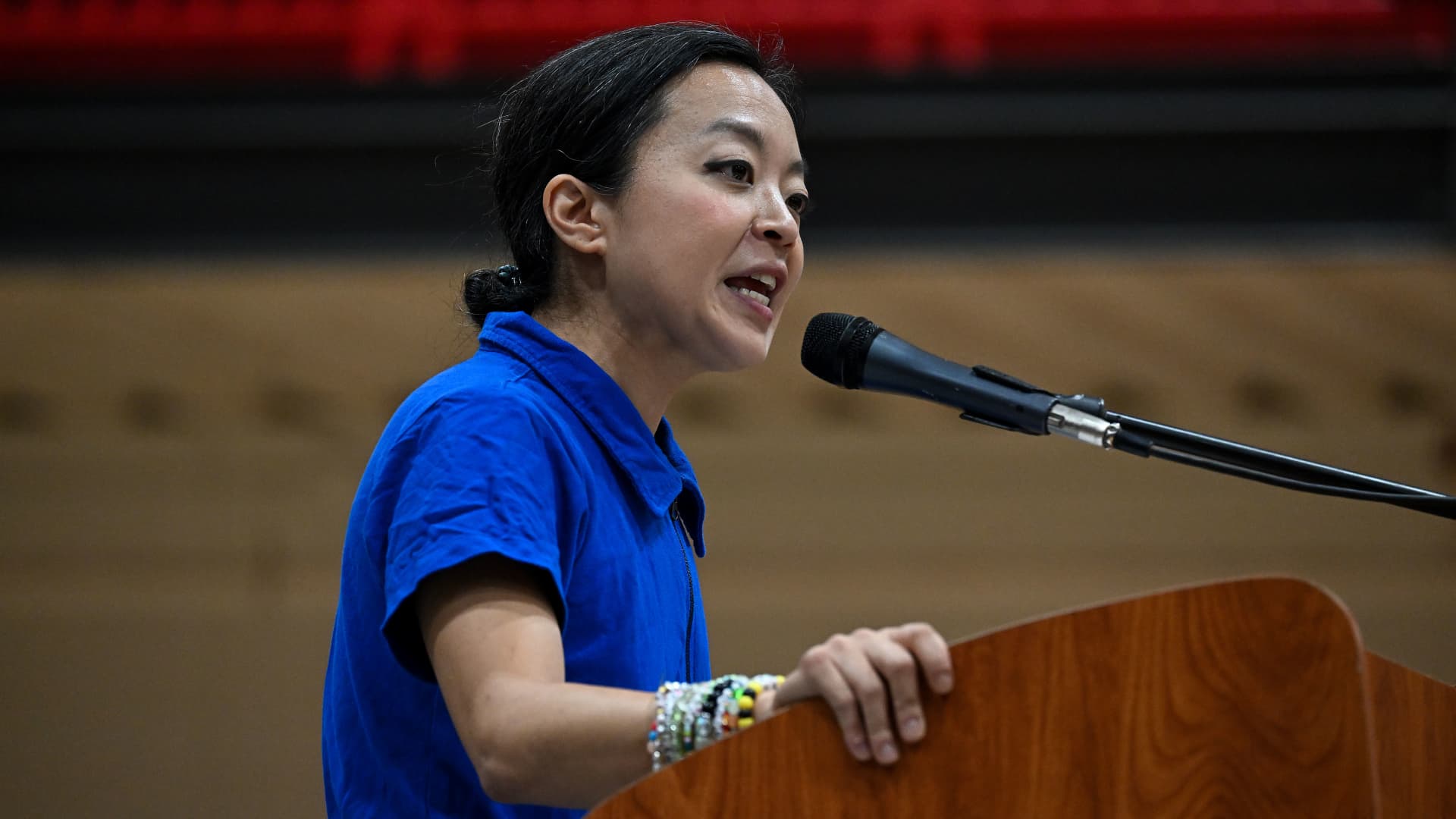
The Minnesota Wisconsin Democratic primaries on Aug. 11 put two major nominations before voters: Wisconsin’s open governor’s race and Minnesota’s open U.S. Senate seat. For Democrats, the contests offer another early measure of whether primary voters favor candidates described by reporting as progressive or candidates backed by more established party figures.
The races follow Abdul El-Sayed’s narrow victory over Rep. Haley Stevens in Michigan’s Democratic Senate primary the prior week. The Associated Press reported that result energized progressives while increasing concerns among some Democratic leaders about how candidates will fare in November.
Who is running in the Minnesota and Wisconsin Democratic primaries?
In Wisconsin, state lawmaker Francesca Hong, described by NPR and the AP as a democratic socialist, is seeking the Democratic nomination for governor. Her principal rival is Milwaukee County Executive David Crowley, who has the endorsement of outgoing Democratic Gov. Tony Evers, according to the AP.
The primary took an unusual turn in July. Crowley had exited the contest, then returned on July 18, the same day Evers endorsed him. His return followed Lt. Gov. Sara Rodriguez’s departure from the race amid a campaign-finance scandal, the AP reported. Former Lt. Gov. Mandela Barnes and Rodriguez remained on the ballot despite ending their campaigns, and absentee ballots already cast for them could not be changed.
Hong’s campaign has centered on policies including universal child care, a public-option health plan, publicly owned grocery stores, a public bank and higher taxes on wealthy Wisconsin residents, CNBC reported. Her support includes the Milwaukee chapter of the Democratic Socialists of America. Crowley’s late campaign drew support from Evers and other Democrats who were trying to consolidate behind a candidate they viewed as more viable in the general election, according to AP and NPR reporting.
Outside money added another layer. The Republican Governors Association spent nearly $3.6 million through its Right Direction Wisconsin PAC on ads contrasting Hong with President Donald Trump and highlighting her liberal positions, the AP reported. Crowley and other Democrats said they believed Republicans were trying to strengthen Hong in the primary because they considered her a more favorable November opponent. That is a strategic assessment from Democrats, not an established outcome. The Democratic nominee was expected to face Republican Rep. Tom Tiffany in November, according to the reporting.
In Minnesota, Rep. Angie Craig and Lt. Gov. Peggy Flanagan are competing for the Democratic Senate nomination to succeed retiring Sen. Tina Smith. AP reporting characterized Craig as moderate and Flanagan as progressive.
Flanagan has endorsements from Smith, Sens. Bernie Sanders and Elizabeth Warren, and the Minnesota Democratic-Farmer-Labor Party, CNBC reported. Gov. Tim Walz did not endorse in the primary, while Gwen Walz endorsed Craig and campaigned with her, the AP reported.
The two races differ in their candidates and state politics, but they share a wider question for Democrats heading into the midterms: whether the progressive momentum visible in Michigan will carry into another set of high-profile Midwest primaries. The available reporting did not include final results.
This story draws on original reporting from CNBC.


