Moonshot AI distillation claims put open AI models in Washington’s sights
Kimi K3 has intensified a fight over AI distillation, open-weight models and whether U.S. policymakers should restrict the practice.
By Maya Okafor · Markets Writer
· 4 min read
Moonshot AI distillation claims have turned a once-technical model-training method into a policy fight with real market stakes for companies building, buying or selling AI tools. The debate touches Nvidia, Microsoft, Meta, Anthropic and OpenAI because it goes to the cost of AI, who controls top models and how quickly Chinese labs can compete with U.S. leaders.
The flashpoint is Kimi K3, a model from Chinese lab Moonshot AI. After its release, Fireworks AI said users found it competitive with leading commercial AI systems from Anthropic and OpenAI.
Moonshot and other Chinese developers are offering open-weight models. That means users can download the model weights, modify them and run the technology on their own systems, instead of accessing a closed model through a company’s paid service.
What is AI distillation?
AI distillation is a training method that uses the output of one model to help train or improve another model. In plain English, a smaller or newer model learns from answers produced by a stronger model, which can make it cheaper and more capable.
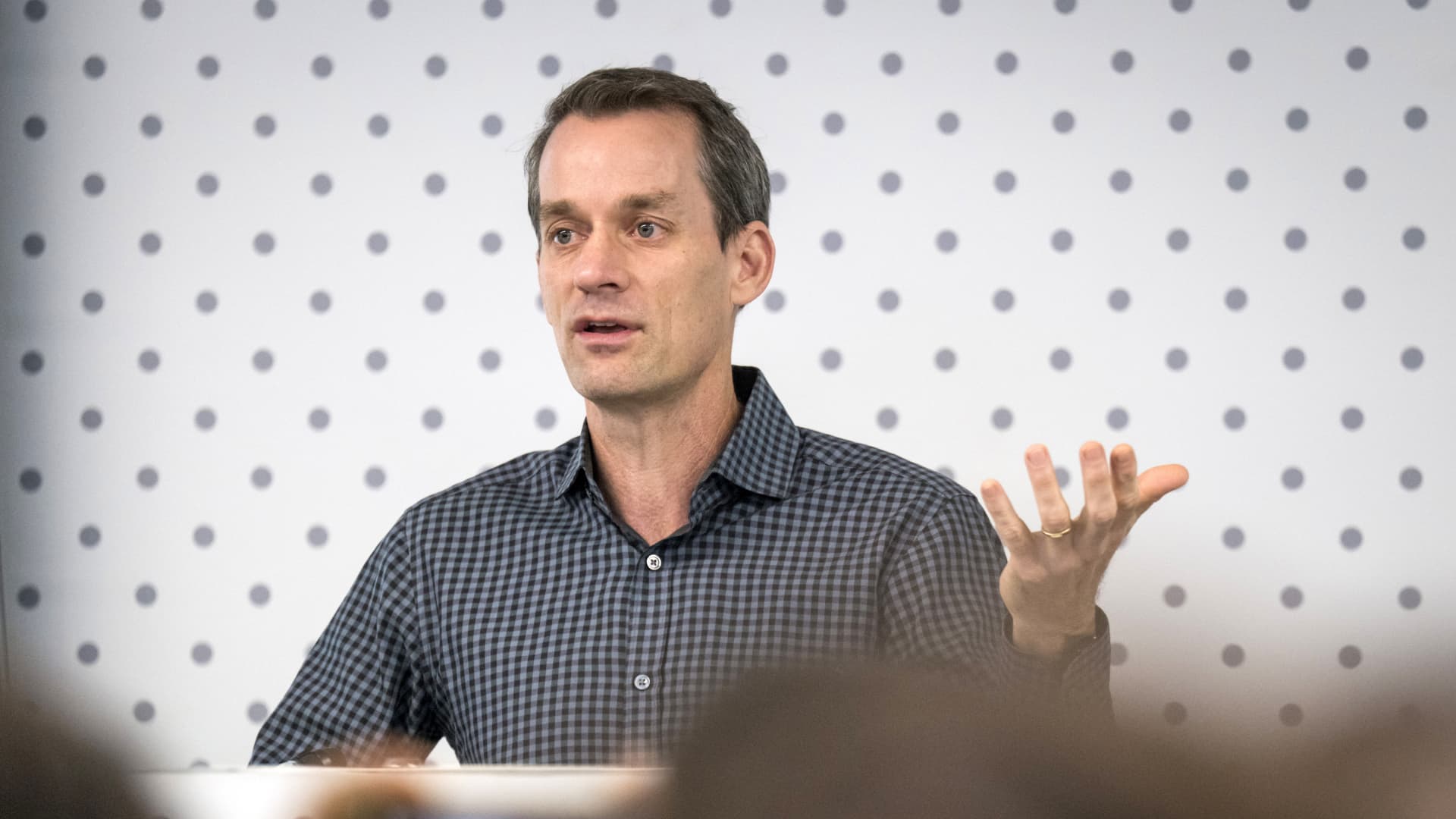
Google AI lead Jeff Dean discussed the method in February on the Latent Space podcast. Dean said Google used distillation to make smaller models more capable and that a top-tier, or frontier, model is needed before its behavior can be distilled into a smaller one.
The method is common inside the AI industry, according to Shashi Bellamkonda, research director at Info-Tech Research Group. Bellamkonda said distillation is a legitimate and valuable way to train smaller, lower-cost models using the outputs of larger ones, and said Nvidia used the technique in training its Llama Nemotron series, according to an accompanying research paper.
Why is Washington focused on Moonshot AI?
White House advisor Michael Kratsios said Wednesday on X that U.S. officials had information that Moonshot AI used Anthropic’s Fable model to develop Kimi K3. Kratsios alleged Moonshot built an internal system for large-scale distillation against U.S. models and used multiple access methods to avoid detection.
Those claims have raised a hard question for policymakers: when does model learning become intellectual-property theft? Pukar Hamal, founder of AI security firm SecurityPal, compared improper distillation to one student copying another student’s completed work after that student had attended the lectures, read the textbook and done the assignments.
Anthropic has already framed illicit distillation as a security issue. In February, the company said its Claude capabilities were being distilled on an “industrial scale” by China’s DeepSeek, Moonshot and MiniMax through about 24,000 fake accounts and 16 million exchanges. Anthropic said preventing that activity required coordinated action from companies, policymakers and the global AI community.
OpenAI and Anthropic ban distillation in their terms of service, according to Bellamkonda. He said the companies are arguing that unauthorized use of their larger models could amount to intellectual-property theft.
Tech companies push back on restrictions
On Friday, Nvidia, Microsoft, Meta, Palantir and more than 20 other companies signed a letter urging policymakers not to impose “premature restrictions” on open-weight AI models. The companies warned that limits could hurt competition or push innovation outside the U.S.
The letter described distillation as a widely used technique for improving, evolving and validating models. Box CEO Aaron Levie, one of the signers, said U.S. companies need access to the best technology regardless of where it is created, and said more AI innovation should generally lower costs and improve efficiency over time.
Colin Shea-Blymyer, a research fellow at Georgetown’s Center for Security and Emerging Technology, said the U.S. government is still working through its position. He said officials could argue that Chinese and Russian companies gained an unfair advantage by using outputs from American models.
The IP debate is complicated by the way leading AI companies built their own systems. Max Pritt, an attorney at Boies Schiller Flexner who represents book authors in copyright litigation against AI firms, said the administration has publicly focused on protecting technology companies’ intellectual property while saying little about creators whose work was allegedly used without authorization.
This story draws on original reporting from CNBC.