NBCUniversal YouTube deal puts Peacock inside Premium
YouTube Premium will add Peacock Premium in the U.S. next year, raising a new question for streamers: build walls or bundle content.
By Dev Ramirez · Crypto Correspondent
· 4 min read
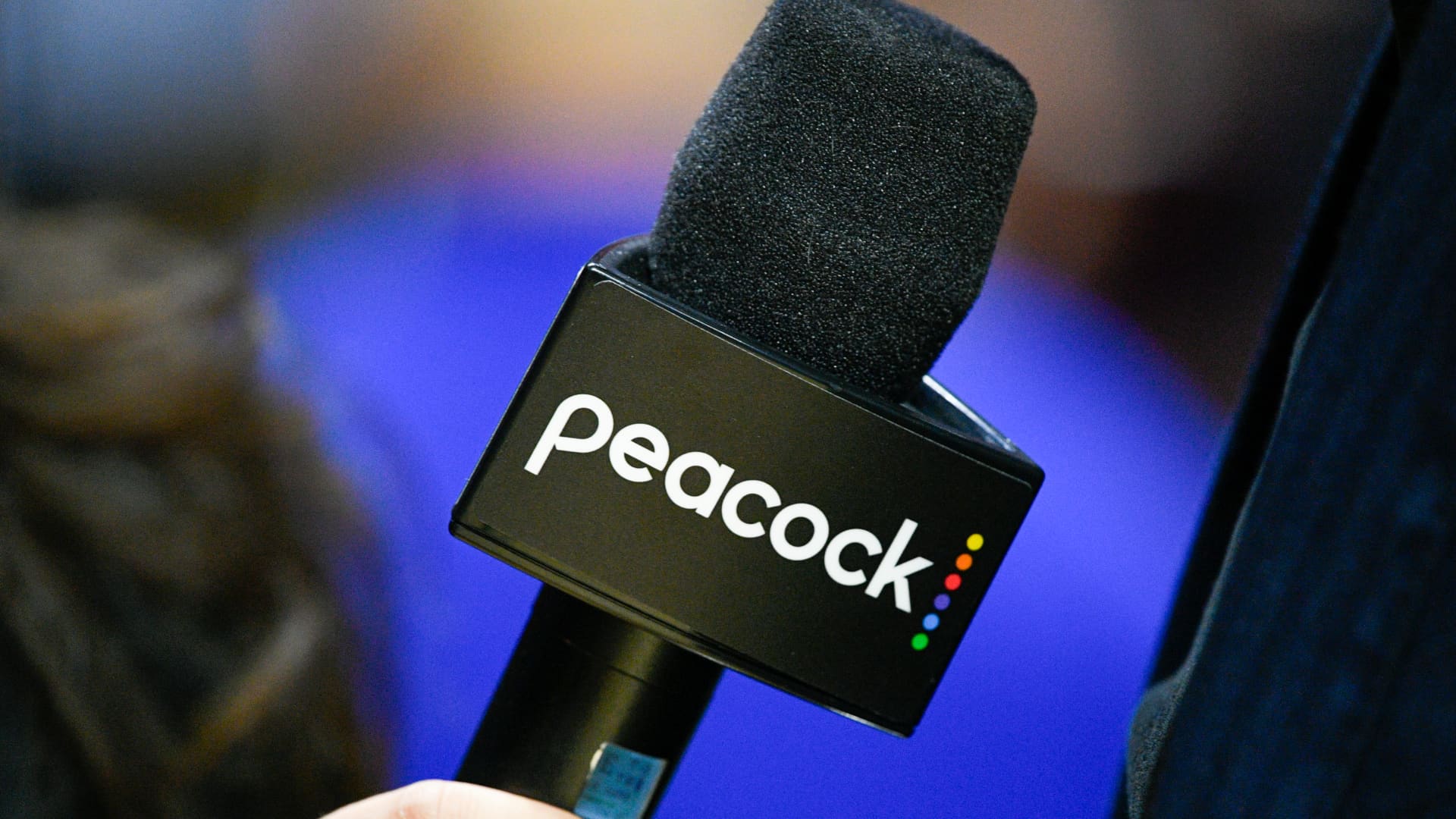
The NBCUniversal YouTube deal will put Peacock Premium inside YouTube Premium for U.S. subscribers starting early next year, with no increase to YouTube Premium’s $15.99 monthly price at launch. For investors tracking media and streaming companies, the agreement shows how the next phase of streaming competition may depend less on standalone apps and more on who controls the bundle.
Under the agreement announced by NBCUniversal, YouTube Premium subscribers in the U.S. will be able to watch Peacock programming directly through YouTube. CNBC reported that the included content will span Peacock shows such as “Love Island USA” and the Real Housewives franchise, plus NBC’s live sports portfolio, including NFL and NBA programming.
YouTube Premium is the paid, ad-free version of YouTube’s main video service. It is separate from YouTube TV, the live TV channel bundle. YouTube says Premium has 125 million users globally, though it does not disclose how many are in the United States.
What does the NBCUniversal YouTube deal include?
The deal gives U.S. YouTube Premium subscribers access to Peacock Premium content inside YouTube, rather than requiring them to open Peacock separately. A wholesale streaming deal, in this context, means one platform carries another company’s programming as part of its own subscription offering.
NBCUniversal has already shown it is willing to package Peacock with outside platforms. CNBC reported that NBCU struck a similar arrangement with Apple TV late last year, though that bundle required customers to choose a higher-priced plan at $14.99 a month, compared with $12.99 for Apple TV alone. The YouTube arrangement is broader for existing YouTube Premium subscribers because Peacock Premium is added without an extra charge at launch.
Comcast co-CEO Mike Cavanagh described NBCUniversal’s approach on the company’s earnings call last week as more open to partnerships than some rivals. “Other strategies are a little more walled gardens,” Cavanagh said, according to the call transcript cited by CNBC. “Our approach is to build great businesses that serve our own platforms, but look for opportunities to partner.”
CNBC reported that NBCUniversal, which is set to be spun off from Comcast into a separate public company next year, is aiming to get Peacock in front of more viewers. YouTube has a large younger audience that spends much of its viewing time on the platform, and broader reach could support NBCUniversal’s advertising revenue.
For YouTube, adding Peacock gives Premium a fuller subscription package. CNBC reported that the deal could also support YouTube’s push to buy more live sports rights, after the company lost out to Netflix earlier this year on several live NFL games.
Why other streamers are watching
The risk for NBCUniversal is cannibalization: if Peacock content is available elsewhere, some customers may feel less need to pay for Peacock directly. People familiar with the matter told CNBC that NBCU executives believed YouTube offered economics strong enough to address those concerns.
The agreement may also become a reference point for other media companies. CNBC reported, citing public comments and media reports, that Netflix and Disney have shown openness to wholesale deals that would bring other companies’ programming onto their services.
ESPN Chairman Jimmy Pitaro described a similar idea at CNBC’s Game Plan conference, saying ESPN is focused on including third-party content inside the ESPN app as part of bundles or partnerships. He compared the model to the old pay TV bundle, with one service, one app and one login.
CNBC reported that NBCUniversal has not yet been satisfied with offers from Netflix or Disney to carry its content, including concerns about economics and subscriber overlap, according to people familiar with private talks.
The broader strategic split is becoming clearer. CNBC described Netflix, Disney, YouTube and Amazon as likely aggregators because of their scale. NBCUniversal may sit more on the licensing side, unless it chooses to keep more programming inside Peacock. Paramount Skydance, Warner Bros. Discovery and Fox could also land on different sides of that divide depending on pending deals and strategy, CNBC reported.
This story draws on original reporting from CNBC.