Nike will cut back China online sellers in digital reset
Nike plans to route China online sales through fewer official channels as it tries to regain pricing control and improve its brand experience.
By Jordan Bell · Startups & Deals Reporter
· 3 min read
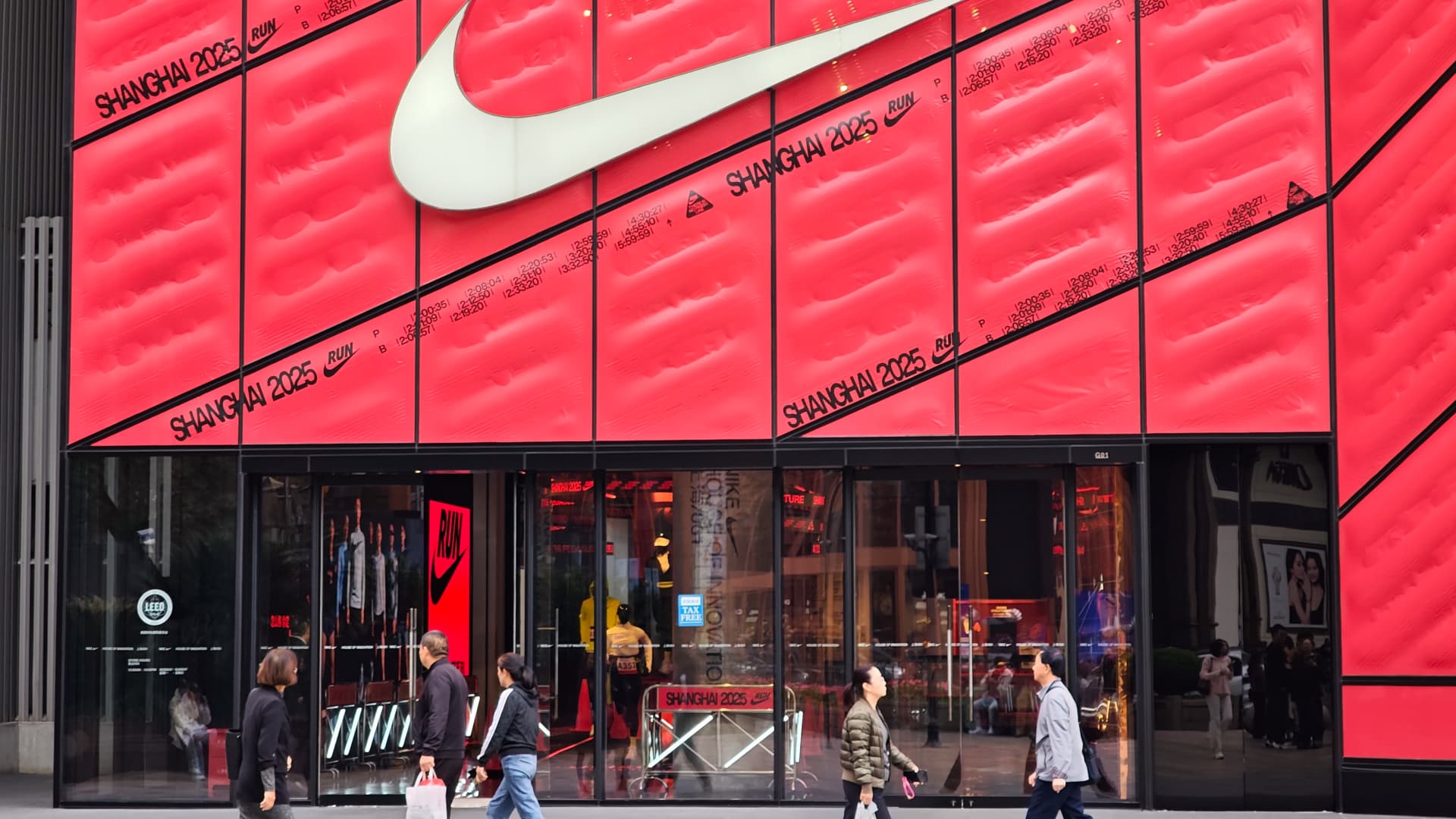
Nike is preparing to shut thousands of online distributors in China out of its digital sales network starting in January, the company said Tuesday. For investors, the move is a bet that tighter control of where and how Nike sells online can rebuild brand strength in a region where sales have fallen about 30% over the past five years, even if revenue takes a near-term hit.
The company said its China online sales will be centered on Nike’s own website and app, plus official storefronts on Tmall, JD.com and Douyin. A distributor is a partner that sells a brand’s products, often through its own stores or online shops. In China, Nike products are currently available not only through Nike-run channels, but also through thousands of additional online storefronts tied to physical retail partners and secondary distributors.
That wide network helped make Nike products easy to find online. Nike now says the setup has created a less consistent experience for shoppers, including differences in branding, product presentation and pricing across online stores.
Nike wants more control online
Cathy Sparks, Nike’s new vice president and general manager of Greater China, said in a letter that the company’s official online flagships will become the main Nike destinations inside those digital shopping ecosystems.
According to Sparks, the aim is to make Nike’s presentation clearer and the shopping experience more connected across platforms. She said the move is meant to reduce fragmentation, meaning the scattered and uneven way a brand can appear when many sellers are presenting products differently.
The mechanism is straightforward: fewer authorized online sellers can give Nike more control over pricing, product display and promotions. That can help a brand avoid a marketplace where shoppers see different prices and different stories for the same products, which can weaken premium positioning.
The trade-off is that cutting sellers can also cut near-term sales access. The company’s plan could pressure revenue in China, according to the report, at a time when the region has already contracted about 30% over five years.
Analysts see a familiar risk
The plan surfaced late last month in a local Chinese media report. After that report, BNP Paribas equity analyst Laurent Vasilescu wrote that Nike’s China move resembles its earlier decision to reduce wholesale partners in North America. Wholesale partners are outside retailers that sell a company’s goods to consumers.
Vasilescu said that North American strategy opened room for competitors and hurt Nike’s sales and margins. BNP Paribas kept an underperform rating on Nike, and Vasilescu wrote that the company’s issue is more about product than distribution.
The China reset is also expected to weigh on Nike’s physical retail partners that have built online businesses in recent years. Topsports, Nike’s largest distributor in mainland China, said it supports the decision while acknowledging pressure on its own business.
Topsports CEO Yu Wu said in a statement that the companies have worked together for 27 years and that the adjustment will create short-term strain. Wu said Topsports believes the shift can support a healthier retail system in China over the medium to long term, while improving the consumer experience and product appeal.
Wu said Topsports will keep working with Nike through offline retail operations, local consumer service and physical sport store concepts across Chinese city tiers.
This story draws on original reporting from CNBC.