Norway sovereign wealth fund returns may cool after record first half, CEO says
Norges Bank Investment Management posted a nearly $185 billion first-half profit, but CEO Nicolai Tangen said the gains were concentrated and may not last.
By Dev Ramirez · Crypto Correspondent
· 2 min read
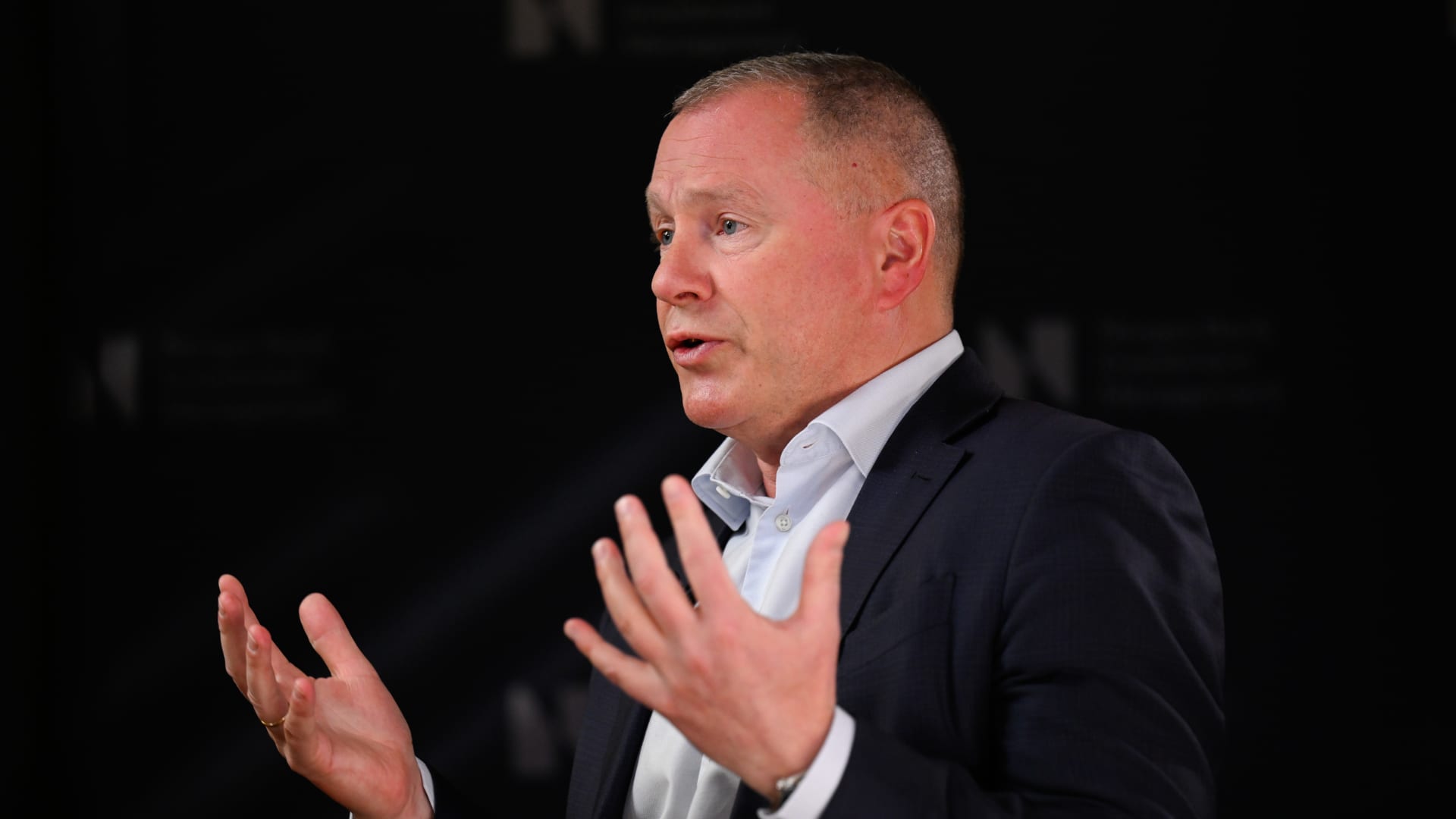
Norway sovereign wealth fund returns surged in the first half, yet Nicolai Tangen, chief executive of Norges Bank Investment Management, said investors should not assume that pace will continue. The $2.3 trillion fund reported a profit nearing $185 billion, a result that shows both the upside of a global stock rally and the risk of expecting one strong stretch to repeat.
According to CNBC, NBIM’s equity portfolio fell 2.6% in the first quarter before rising 15.98% over the following three months. That left the portfolio with a 12.95% return for the first half.
Tangen said he had been surprised by the resilience of markets and economies amid the U.S.-Iran war, renewed inflation pressure, trade barriers and geopolitical tensions. Companies had handled uncertain and shifting conditions well, he told CNBC, but he cautioned against extrapolating the prior six months of market performance into the future.
What drove Norway’s sovereign wealth fund returns?
The biggest contributors were semiconductor-related holdings, according to CNBC. Samsung, SK Hynix, TSMC, ASML, Intel and Nvidia were among the fund’s top-performing investments in the first half.
Tangen described the gains as highly concentrated in technology. That distinction matters: a portfolio can post a strong overall return even when much of the advance comes from a relatively narrow group of companies or industries.
NBIM oversees Norway’s oil fund, the world’s largest sovereign wealth fund. Tangen said it owns stakes equivalent to about 1.5% of companies worldwide and roughly 3% of listed companies in Europe. The fund also supplies about a quarter of Norway’s fiscal budget, CNBC reported.
Why is NBIM keeping its strategy after the rally?
Tangen said the fund would not take profits or rebalance because of the first-half run. NBIM is an “index-near” investor, meaning its holdings broadly follow global markets rather than relying on large bets on a short list of stocks. For readers, the approach is similar in principle to how an index fund seeks broad market exposure, though NBIM is a sovereign fund with its own mandate and portfolio.
That structure means the fund participates when markets rise and when they fall. Tangen said a meaningful market downturn would result in losses for NBIM, and he said he did not expect the investment conditions of the past 30 years to be repeated.
His comments were an outlook rather than a forecast of a particular selloff or date. His stated response to volatility was to retain a long time horizon and broad diversification instead of changing course after market swings.
This story draws on original reporting from CNBC.