Novo Nordisk lawsuit against Eli Lilly defended by CEO over Wegovy ads
Novo CEO Mike Doustdar says Lilly’s Zepbound ads leave out newer Wegovy data, while Lilly says its comparisons are truthful.
By Dev Ramirez · Crypto Correspondent
· 2 min read
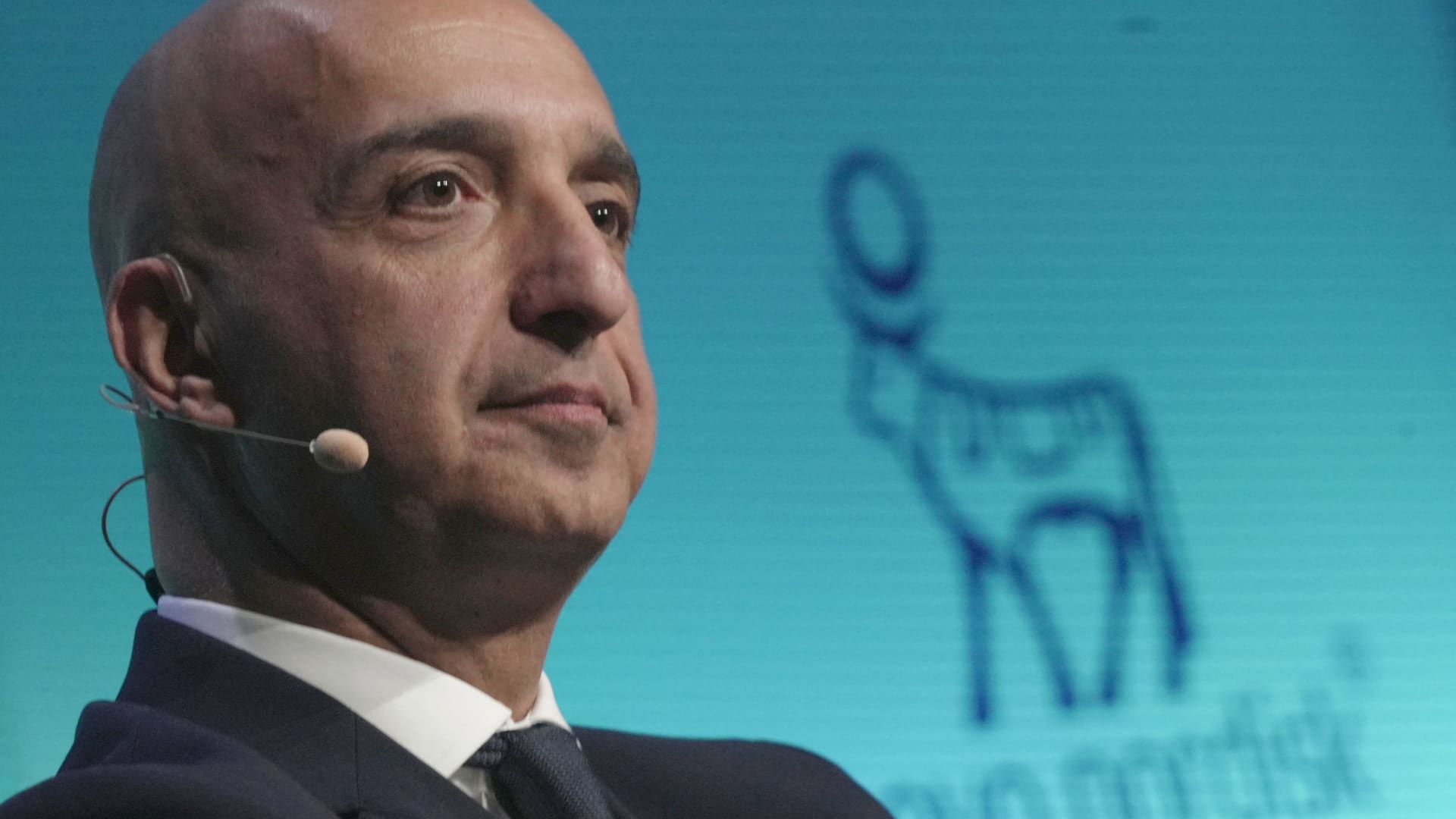
The Novo Nordisk lawsuit against Eli Lilly is centered on what patients see when competing weight-loss medicines are advertised. CEO Mike Doustdar defended Novo’s decision to sue Lilly, saying on CNBC’s “Mad Money” that the companies can compete aggressively, but patients and their doctors need a complete account before choosing a treatment.
The dispute is a reminder for investors that drug-market competition is fought through clinical studies, product launches and advertising, not only quarterly sales. Novo filed the suit in July, alleging that advertising for Lilly’s injectable GLP-1 medicines misleads consumers about how their effectiveness compares with Novo treatments, CNBC reported. The allegation has not been established in court.
What does Novo Nordisk say is missing from Eli Lilly’s ads?
Lilly’s advertising cites a direct 72-week study comparing Zepbound with Wegovy. According to CNBC’s report, patients taking the maximum tolerated 10-mg or 15-mg Zepbound dose had average weight loss of 20.2%. Those taking the then-maximum tolerated 1.7-mg or 2.4-mg dose of Wegovy had average weight loss of 13.7%.
Doustdar’s objection is about the Wegovy regimen used in that comparison. He said the ads rely on an older, lower-dose version of Wegovy and do not reflect Novo’s newer 7.2-mg offering, which CNBC reported was approved by the Food and Drug Administration in March.
Novo has said a separate 72-week study of 7.2-mg Wegovy produced average weight loss of about 19%. That result was not from a head-to-head trial against Zepbound, so it cannot directly settle the difference between the medicines. Doustdar described Lilly’s advertising as truthful but incomplete, according to CNBC.
How has Eli Lilly responded?
Lilly said it stands behind its advertising and highlighted that Doustdar had acknowledged it was truthful. The company also said no head-to-head clinical trial supports saying Wegovy 7.2 mg is “on par with” Zepbound.
GLP-1 drugs are medicines that can reduce appetite and are used for conditions including diabetes and obesity. The companies’ fight has sharpened as they seek patients in injectable and pill forms of the treatments. CNBC reported that Doustdar acknowledged Lilly had gained market share in injectable weight-loss drugs.
Novo is also pushing its oral Wegovy launch and higher-dose injection. In early August, Novo said its Wegovy pill had exceeded 5 million prescriptions since its January launch, while citing intensifying competition as one factor expected to weigh on its U.S. business, CNBC reported.
For investors, the legal dispute does not determine which medicine is best for a particular patient. It shows how dose selection and the design of clinical trials can shape the marketing claims that reach consumers.
This story draws on original reporting from CNBC.