Oil climbs as U.S. strikes Iran and resumes port blockade
Crude prices rose after U.S. forces hit Iranian military targets and Washington reinstated a naval blockade near the Strait of Hormuz.
By Theo Nakamura · Staff Writer
· 3 min read
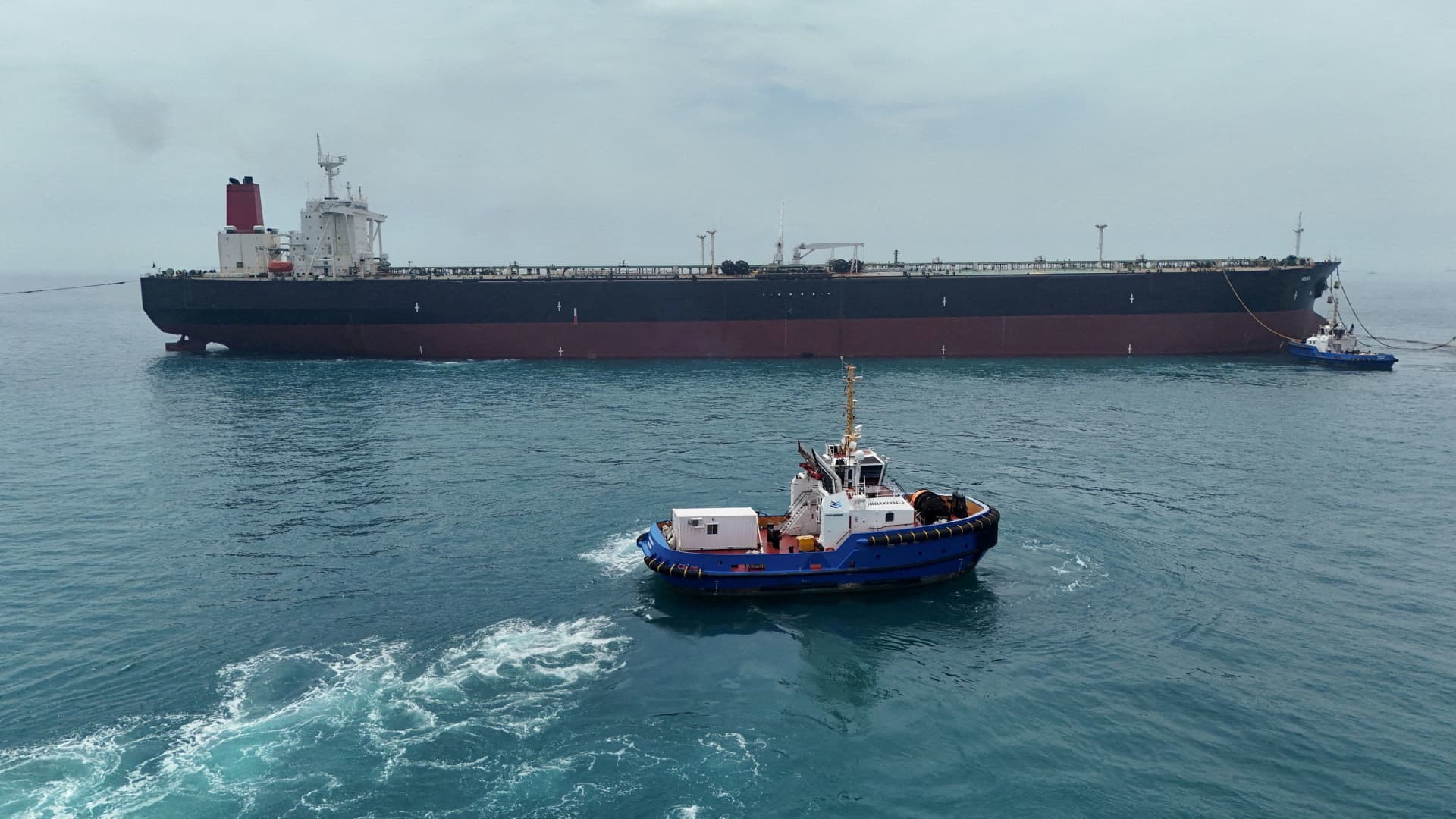
Oil moved higher Wednesday as traders priced in fresh risk to one of the world’s most sensitive energy shipping routes. For everyday investors, that can feed into gasoline prices, airline costs and inflation expectations if the disruption lasts.
U.S. West Texas Intermediate crude futures for August delivery rose 1.01% to $80.14 a barrel, according to CNBC. Brent crude, the international benchmark, gained 1.23% to $85.77 for September futures.
Futures are contracts that let buyers and sellers lock in a price for oil delivered later. They often react quickly when traders see a higher chance that supply could be interrupted, especially around key shipping lanes.
U.S. says strikes targeted Iranian military assets
U.S. Central Command said late Tuesday in the United States that American forces carried out another wave of strikes against Iran, according to CNBC. Centcom said the seven-hour operation hit dozens of military assets near the Strait of Hormuz and along Iran’s coastline.
The targets included missile and drone facilities, naval assets and coastal defense systems, Centcom said. The command said the goal was to further reduce Iran’s ability to threaten commercial shipping.
The operation involved fighter aircraft, drones and naval vessels, according to Centcom. It began after U.S. forces resumed a naval blockade on vessels traveling to and from Iranian ports earlier Tuesday, CNBC reported.
A naval blockade is a military effort to restrict ships from entering or leaving certain ports or waters. In this case, the market focus is the Strait of Hormuz area, a narrow passage that is closely watched because oil tankers move through the region.
Centcom cites attacks on commercial ships
In a later social media statement cited by CNBC, Centcom Commander Brad Cooper said Iran had “intentionally” targeted civilians and attacked seven commercial vessels during the previous week. Cooper said the attacks left about a dozen crew members dead, missing or injured.
CNBC also reported that the latest U.S. action came after expectations that the strait could reopen quickly had started to build in the market.
Saul Kavonic, senior energy analyst at MST Marquee, told CNBC by email that those expectations had been premature. “The latest escalation shows how expectations of a rapid opening of then Strait were premature,” Kavonic said.
Kavonic said the renewed hostilities and blockade put the conflict back on a more escalatory path. He told CNBC that oil could test $100 if fighting continues at the current intensity for several weeks, and could move higher if regional oil infrastructure is targeted.
That is a scenario, not a certainty. For investors, the near-term issue is whether military activity and shipping restrictions keep raising the perceived risk of supply disruption. Oil prices can affect energy stocks directly, but they also filter into broader markets through fuel costs and inflation readings.
This story draws on original reporting from CNBC.